
Customs Clearance For Fine Art And Antiques
So you’ve finally acquired that beautiful piece of fine art or antique that you’ve been eyeing for ages, but now what? Navigating the complex world of customs clearance can be a daunting task, especially when it comes to these valuable and delicate items. Ensuring a smooth transition through customs is crucial in preserving the integrity and value of your precious artwork. In this article, we will explore the intricacies of customs clearance for fine art and antiques, providing you with the necessary information and tips to successfully navigate this process.

Understanding Customs Clearance
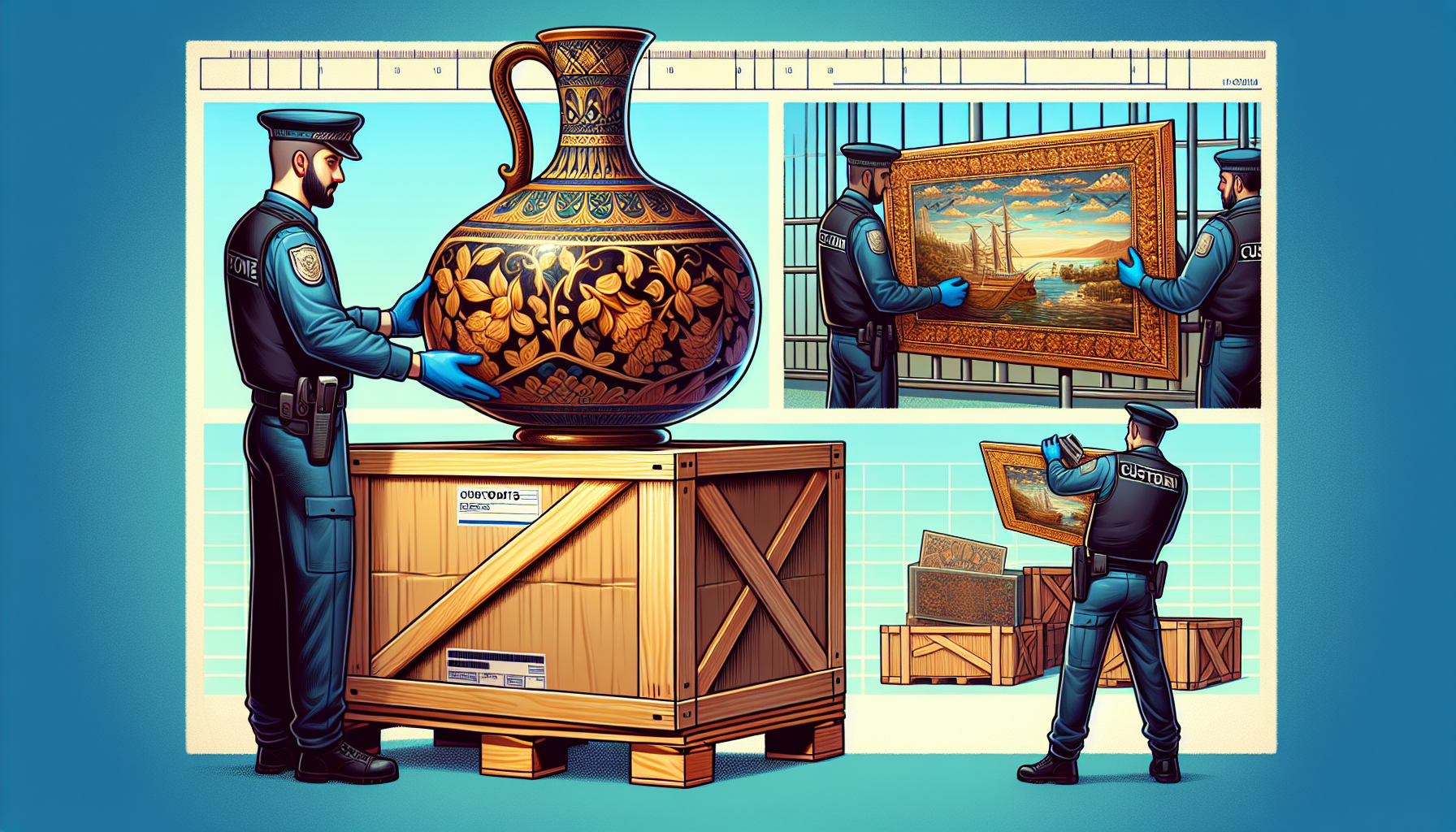
When it comes to dealing with fine art and antiques, customs clearance is an essential process that cannot be overlooked. So, what exactly is customs clearance? In simple terms, it is the process of ensuring that all necessary customs regulations and requirements are met for the import/export of goods.
Definition of Customs Clearance
Customs clearance refers to the procedures and paperwork involved in getting your fine art and antiques through customs, allowing them to enter or exit a country legally. It involves the submission and verification of various documents to ensure compliance with customs regulations. Customs authorities play a crucial role in facilitating this process and ensuring the smooth flow of goods.
Importance of Customs Clearance for Fine Art and Antiques
Customs clearance holds significant importance for the trade of fine art and antiques. Without proper clearance, your valuable items might be stuck at the border, resulting in delays, penalties, or even confiscation. Customs clearance ensures that your artwork or antique pieces abide by the regulations put forth by the importing or exporting country, guaranteeing a hassle-free transport process.
Role of Customs Authorities
Customs authorities play a vital role in the customs clearance process. These government agencies are responsible for inspecting and regulating the entry and exit of goods from a country. They ensure the adherence to customs laws and collect necessary fees, duties, and taxes. Customs officials also help protect national heritage by enforcing regulations relating to the import and export of cultural property.
Documentation and Paperwork
Documentation and paperwork are the cornerstones of customs clearance for fine art and antiques. In order to successfully clear customs, you need to ensure that you have all the necessary documents in order.
Import/Export Licenses
Import and export licenses are often required for certain categories of fine art and antiques. These licenses grant permission to bring in or take out specific items, providing legal authorization for the transaction. Depending on the country and the value of the items, you may need to obtain these licenses from relevant authorities.
Purchase/Sales Invoices
Purchase and sales invoices serve as proof of ownership or acquisition of your fine art or antiques. These documents should include detailed descriptions, values, and any relevant payment information. Customs authorities may request copies of these invoices to verify the authenticity and value of the items being imported or exported.
Certificates of Authenticity
Certificates of authenticity confirm the genuineness and provenance of your artwork or antique pieces. They provide a detailed history of the item’s creation, ownership, and authenticity, lending credibility to its value. These certificates act as supporting documentation during customs clearance, giving customs officials confidence that the items are genuine and legally obtained.
Provenance Documentation
Provenance documentation traces the ownership and history of an artwork or antique. It includes records of previous owners, exhibitions, and any notable events in the item’s history. Provenance documents help establish the legitimacy and cultural significance of the piece, proving that it is not stolen or illicitly acquired. Customs authorities may request these documents to ensure compliance with national heritage and cultural property laws.
Valuation and Appraisal
Determining the value of your fine art and antiques is crucial for customs clearance. Accurate valuation ensures that you pay the correct import duties and taxes while also safeguarding your items during transportation.
Determining the Value of Fine Art and Antiques
Valuing fine art and antiques requires expertise and knowledge of the market. Factors such as artist reputation, historical significance, rarity, and condition influence the value. To determine an item’s value, you can consult art appraisers, auction houses, or art dealers who specialize in the specific type of artwork or antiques you possess.
Appraisal Methods and Experts
There are various appraisal methods used to assess the value of fine art and antiques. These include the market data approach, cost approach, and income approach. Art appraisers, who are experienced professionals in the field, employ these methods to provide an accurate assessment. It is advisable to engage a certified appraiser who can provide an unbiased appraisal report accepted by customs authorities.
Importance of Accurate Valuation
Accurate valuation is crucial for customs purposes as it determines the amount of import duties and taxes you need to pay. If the declared value is underestimated, you may face penalties or delays. On the other hand, overestimating the value could result in unnecessary taxes and fees. Precise valuation ensures compliance with customs requirements, providing a smooth customs clearance experience.

Import and Export Restrictions
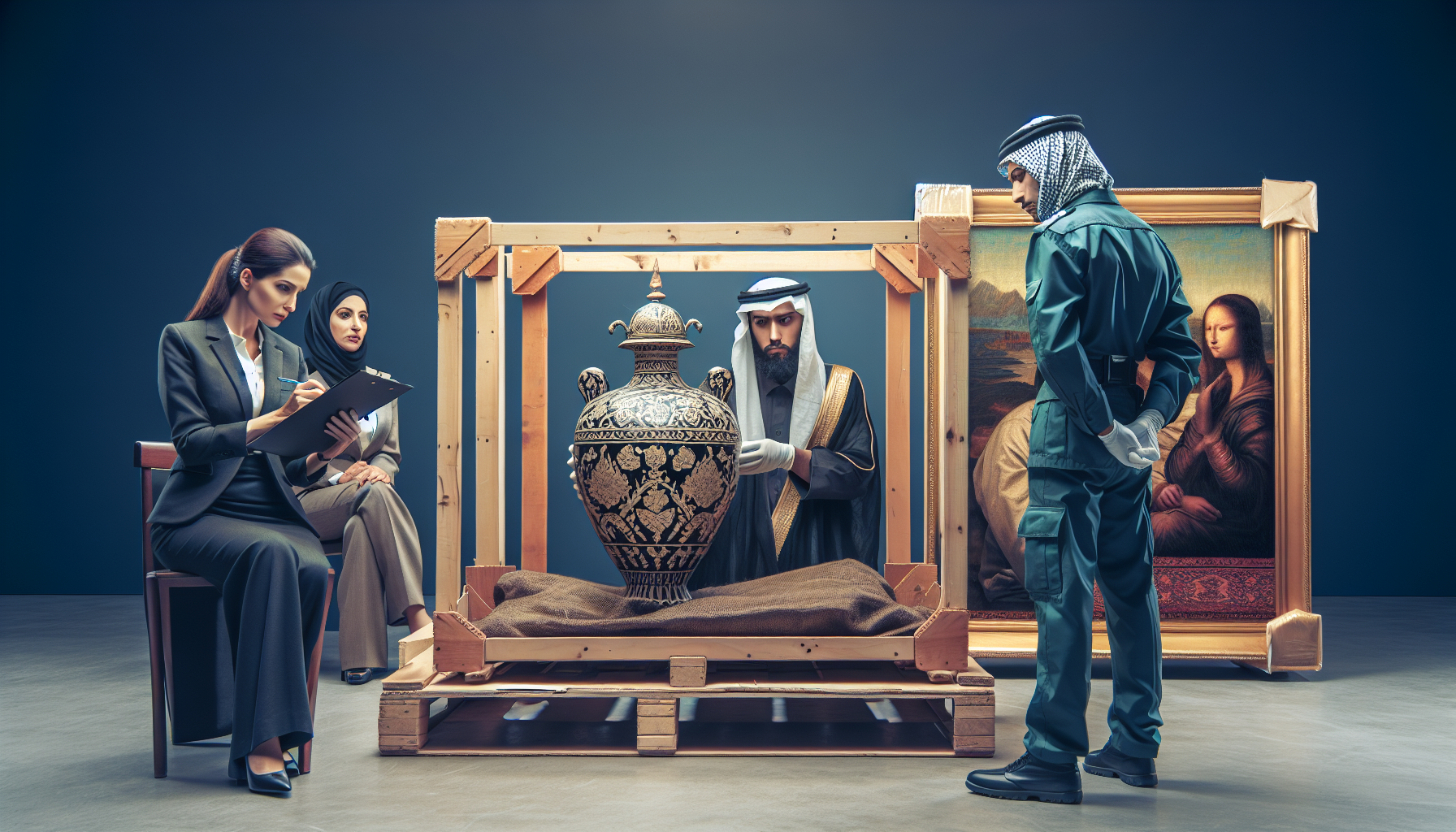
Import and export restrictions exist to protect cultural heritage, wildlife, and national security. Understanding these restrictions is vital to avoid complications during customs clearance.
CITES Regulations
The Convention on International Trade in Endangered Species (CITES) is an international agreement that regulates the trade of certain endangered species. If your fine art or antiques contain materials derived from protected species, such as ivory, tortoiseshell, or certain exotic woods, you need to comply with CITES regulations. This may involve obtaining permits or certificates to prove that the materials were obtained legally and sustainably.
Embargoed Countries and Restricted Items
Some countries may have trade embargoes or restrictions on certain items due to geopolitical reasons or national security concerns. It is essential to research and understand the specific regulations imposed by the importing or exporting country. Items such as archaeological artifacts, cultural objects, or artworks of significant national importance may require additional permissions or clearances.
Laws on National Heritage and Cultural Property
Many countries have laws protecting their national heritage and cultural property. These laws aim to preserve items of historical, artistic, or cultural significance within their borders. If any of your fine art or antiques fall under these categories, you may need to comply with additional regulations. It is crucial to understand and adhere to these laws to ensure a smooth customs clearance process.
Temporary Import and Export
Temporary import and export options are available for fine art and antiques that need to travel for exhibitions, auctions, or restoration purposes. These temporary arrangements offer flexibility while maintaining compliance with customs regulations.
Carnet Documents and Requirements
A carnet is a customs document that allows for the temporary import or export of goods without paying import duties and taxes. It serves as a passport for your fine art or antiques, ensuring they can travel freely and legally. Carnets usually require an application process, security deposits, and adherence to specific timelines. It is important to familiarize yourself with the requirements and regulations associated with carnets to ensure a seamless temporary import or export process.
Bonded Warehouses and Free Ports
Bonded warehouses and free ports provide secure and controlled environments for the storage of fine art and antiques. These facilities offer temporary storage options while your items are in transit or awaiting customs clearance. Bonded warehouses allow the suspension of import duties and taxes while the goods remain in storage. Free ports, on the other hand, are duty-free zones that offer the advantage of indefinite storage without tax implications.
Time Limits for Temporary Import/Export
There are strict time limits associated with temporary import and export. It is essential to closely monitor these timeframes to avoid penalties or legal complications. Failure to comply with the designated time limits may result in additional fees, seizure of the items, or other customs-related issues. Proper planning and coordination with customs authorities and logistics providers are crucial to ensure compliance with the allotted timeframes.
Packaging and Transportation
To ensure the safety and protection of your fine art and antiques during transportation, proper packaging and hiring professional art transporters are essential.
Protective Packaging Materials
Fine art and antiques are delicate and require special handling and packaging. High-quality materials such as acid-free paper, bubble wrap, foam, and custom-made crates provide the necessary protection. These materials shield your items from moisture, temperature fluctuations, vibrations, and physical impact. Proper packaging not only safeguards your valuables during transit but also demonstrates care and professionalism to customs authorities.
Hiring Professional Art Transporters
Transporting fine art and antiques is a specialized field that requires expertise and experience. Hiring professional art transporters ensures the safe and secure handling of your precious items. These professionals have the necessary knowledge, equipment, and techniques to handle delicate and valuable art pieces. They are familiar with customs regulations and can assist with documentation, insurance, and customs clearance, easing the logistics process for you.
Handling Fragile and Valuable Items
Fine art and antiques often consist of fragile materials or have significant sentimental or financial value. It is important to handle them with care throughout the transportation process. Art transporters utilize specialized packing techniques, secure loading and unloading practices, and secure transportation vehicles to minimize the risk of damage or loss. Their expertise in handling fragile and valuable items ensures that your art or antiques reach their destination in pristine condition.

Customs Duties and Taxes
Customs duties and taxes are an integral part of international trade. Understanding the tariff classifications and exemptions for fine art and antiques helps manage costs and budgeting during customs clearance.
Tariff Classifications for Fine Art and Antiques
Fine art and antiques fall under specific tariff classifications in customs regulations. The classification system varies between countries and is based on factors such as materials, age, artistic value, and function. It is crucial to correctly classify your items to determine the applicable duty rates and trade regulations. Customs authorities can provide guidance on the appropriate classifications for your fine art or antiques.
Import Duties and Taxes
Import duties and taxes are costs associated with bringing goods into a country. The rates vary depending on factors such as the value, origin, and classification of the items. These duties and taxes are typically paid by the importer or the buyer. Proper valuation and accurate documentation are essential to ensure that you pay the correct amounts and avoid any unnecessary charges or penalties.
VAT and Sales Tax Exemptions
VAT (Value Added Tax) and sales tax exemptions may be applicable to fine art and antiques in certain circumstances. Some countries provide exemptions or reduced tax rates for cultural or historically significant items. It is essential to familiarize yourself with the specific regulations of the importing or exporting country regarding VAT and sales tax exemptions. Proper documentation, such as certificates of authenticity or provenance, may be required to qualify for these exemptions.
Customs Inspection and Security
Customs inspection and security measures are in place to protect against illicit trade, smuggling, and the movement of counterfeit items. Understanding the inspection process and taking necessary security measures can help ensure a smooth customs clearance process for your fine art and antiques.
Physical Inspection Process
Customs authorities have the right to inspect the contents of your shipments, including your fine art and antiques. Inspection methods may vary, including visual examinations, x-ray scans, or physical opening of crates or packages. These inspections are conducted to verify the accuracy of the documentation and ensure compliance with customs regulations. Cooperation with customs officials and providing necessary assistance during the inspection process can help expedite the clearance process.
Security Measures for High-Value Items
High-value items such as fine art and antiques are attractive targets for theft and fraud. Taking appropriate security measures is key to protecting your valuables during transportation and customs clearance. Employing security systems, such as tamper-evident seals, GPS tracking devices, and secure packaging, can help deter potential thieves and provide peace of mind. It is also essential to work with reputable logistics companies and customs agents who prioritize the security of your high-value items.
Risk Mitigation Strategies
Mitigating risks associated with customs clearance involves thorough planning and preparation. Conducting due diligence on the customs regulations and requirements of the importing or exporting country is crucial. Adequate insurance coverage for your fine art and antiques provides financial protection in case of damage, loss, or theft during transportation or customs clearance. Implementing comprehensive risk mitigation strategies, such as choosing secure routes and employing reputable professionals, minimizes potential complications and ensures a successful customs clearance process.
Compliance and Regulations
Complying with customs regulations is of utmost importance to ensure a smooth and lawful import or export process. In addition to customs requirements, other compliance obligations, such as anti-money laundering and anti-trafficking measures, need to be considered.
Complying with Customs Regulations
Compliance with customs regulations is essential to avoid penalties, delays, or the seizure of your fine art and antiques. It requires a thorough understanding of the laws and regulations imposed by the importing or exporting country. Adhering to documentation requirements, accurately declaring the value of items, and ensuring the legality of the transactions are all part of compliance in customs clearance. Engaging the services of customs brokers or agents can assist in navigating these regulations.
Anti-Money Laundering and Anti-Trafficking Measures
The trade of fine art and antiques is susceptible to money laundering and trafficking activities. To combat these illicit practices, many countries have implemented anti-money laundering and anti-trafficking measures. These measures aim to prevent the movement of funds derived from illegal activities or the trafficking of stolen artworks or cultural property. Compliance with these measures involves thorough due diligence on both the buyer and seller and maintaining proper documentation to prove the legitimacy of transactions.
Data Documentation and Reporting Obligations
Data documentation and reporting obligations are key components of customs clearance. Customs authorities may require specific information about your fine art and antiques, including detailed descriptions, values, and provenance. It is essential to keep accurate records and provide timely and accurate information to comply with reporting obligations. Failure to fulfill these obligations may result in penalties, delays, or seizure of your items.
Importance of Professional Assistance
Given the complexities of customs clearance for fine art and antiques, seeking professional assistance can make a significant difference in ensuring a successful import or export process.
Engaging Customs Brokers or Agents
Customs brokers or agents are experts in navigating the intricacies of customs regulations. They provide guidance and assistance in completing all necessary paperwork, liaising with customs authorities, and ensuring compliance with customs requirements. Engaging the services of a customs broker or agent can save you time, simplify the process, and minimize the risk of errors or complications during customs clearance.
Working with Specialized Art Logistics Companies
Art logistics companies specialize in the transportation, handling, and storage of fine art and antiques. These companies have the expertise and infrastructure to manage the unique requirements of the art industry. They understand the nuances of customs clearance and can provide all-inclusive services, including packaging, transportation, documentation, and customs compliance. Working with specialized art logistics companies ensures that your precious items are well taken care of throughout the entire customs clearance process.
Navigating Language and Cultural Barriers
International trade involves dealing with different languages and cultures. This can present challenges during customs clearance, especially if you are not familiar with the language or customs practices of the importing or exporting country. Professional assistance, such as hiring translators or working with customs agents who are familiar with local customs practices, can help bridge these language and cultural barriers. Effective communication and understanding can facilitate smooth customs clearance, ensuring your fine art and antiques reach their destination without complications.
In conclusion, customs clearance is a critical process when dealing with the import or export of fine art and antiques. Understanding the importance of customs clearance, the necessary documentation, valuation and appraisal methods, import and export restrictions, temporary import and export options, packaging and transportation considerations, customs duties and taxes, inspection and security measures, compliance and regulations, and the value of professional assistance can greatly contribute to a successful customs clearance experience. By following the appropriate procedures and working with knowledgeable professionals, you can ensure the safe and legal transport of your valuable artworks and antique treasures across borders.
