
Can I Self-clear My Goods Through U.S. Customs?
So, you just received a shipment from abroad and now you’re wondering if you can handle the customs clearance process all on your own. Well, good news! In this article, we’ll explore the possibility of self-clearing your goods through U.S. Customs. Whether you’re a seasoned importer or a first-time receiver, we’ve got all the information you need to navigate the complex world of customs clearance. So grab a cup of coffee and let’s see if self-clearing is the right option for you.

1. What is self-clearing?
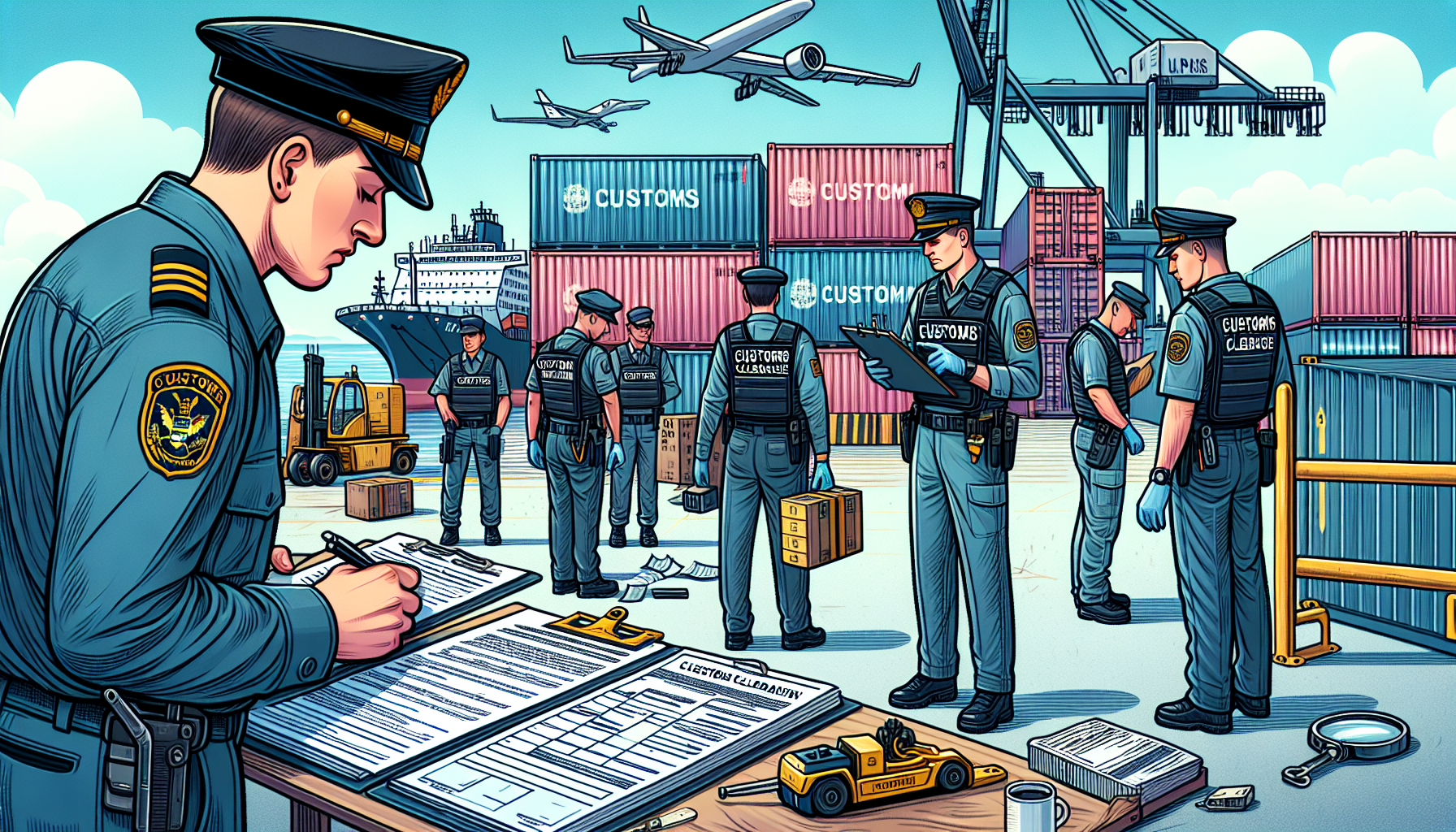
Self-clearing refers to the process of a person or entity taking on the responsibility of clearing their own goods through U.S. Customs and Border Protection (CBP) instead of hiring a customs broker or agent to handle the process on their behalf. It involves completing the necessary paperwork, paying customs duties, and submitting documentation directly to CBP in order to obtain clearance for imported goods.
1.1 Definition of self-clearing
Self-clearing is the act of personally managing the customs clearance process for imported goods. It requires individuals or businesses to have a thorough understanding of customs regulations, documentation requirements, and the classification of goods. By self-clearing, individuals and businesses can take control of the customs clearance process, potentially saving money and having more direct involvement in the import process.
1.2 How self-clearing works
Self-clearing involves several steps, starting with gathering the necessary paperwork such as the commercial invoice, bill of lading or air waybill, packing list, arrival notice, and customs bond. Once the paperwork is prepared, customs duties are calculated and paid. The completed documentation is then submitted to U.S. Customs. Upon approval, the goods can be released.
1.3 Benefits of self-clearing
Self-clearing provides several benefits for individuals and businesses. Firstly, it allows for more control over the customs clearance process, as individuals or businesses can handle the paperwork and submissions directly. This can lead to cost savings, as there is no need to hire a customs broker or agent. Additionally, self-clearing offers the opportunity for individuals and businesses to gain a better understanding of the customs regulations and requirements involved in importing goods.
2. Eligibility to self-clear
2.1 Individuals
Individuals are generally eligible to self-clear their imported goods through U.S. Customs. However, it is important to note that the process can be complex, requiring a good understanding of customs regulations and documentation requirements. Individuals must be willing to invest the time and effort into researching and following the necessary steps for self-clearing.
2.2 Corporations
Corporations are also eligible to self-clear their goods through U.S. Customs. Similar to individuals, corporations must have a thorough understanding of customs regulations and documentation requirements. It may be beneficial for corporations to designate an employee or department to handle the self-clearing process, ensuring that the necessary expertise is available to successfully navigate the clearance process.
2.3 Importers using a customs broker
Importers who usually use a customs broker to handle their customs clearance can still choose to self-clear if they meet the eligibility criteria. In such cases, it is important to communicate with the customs broker beforehand and ensure a smooth transition to self-clearing.
3. Process of self-clearing
3.1 Preparing the necessary paperwork
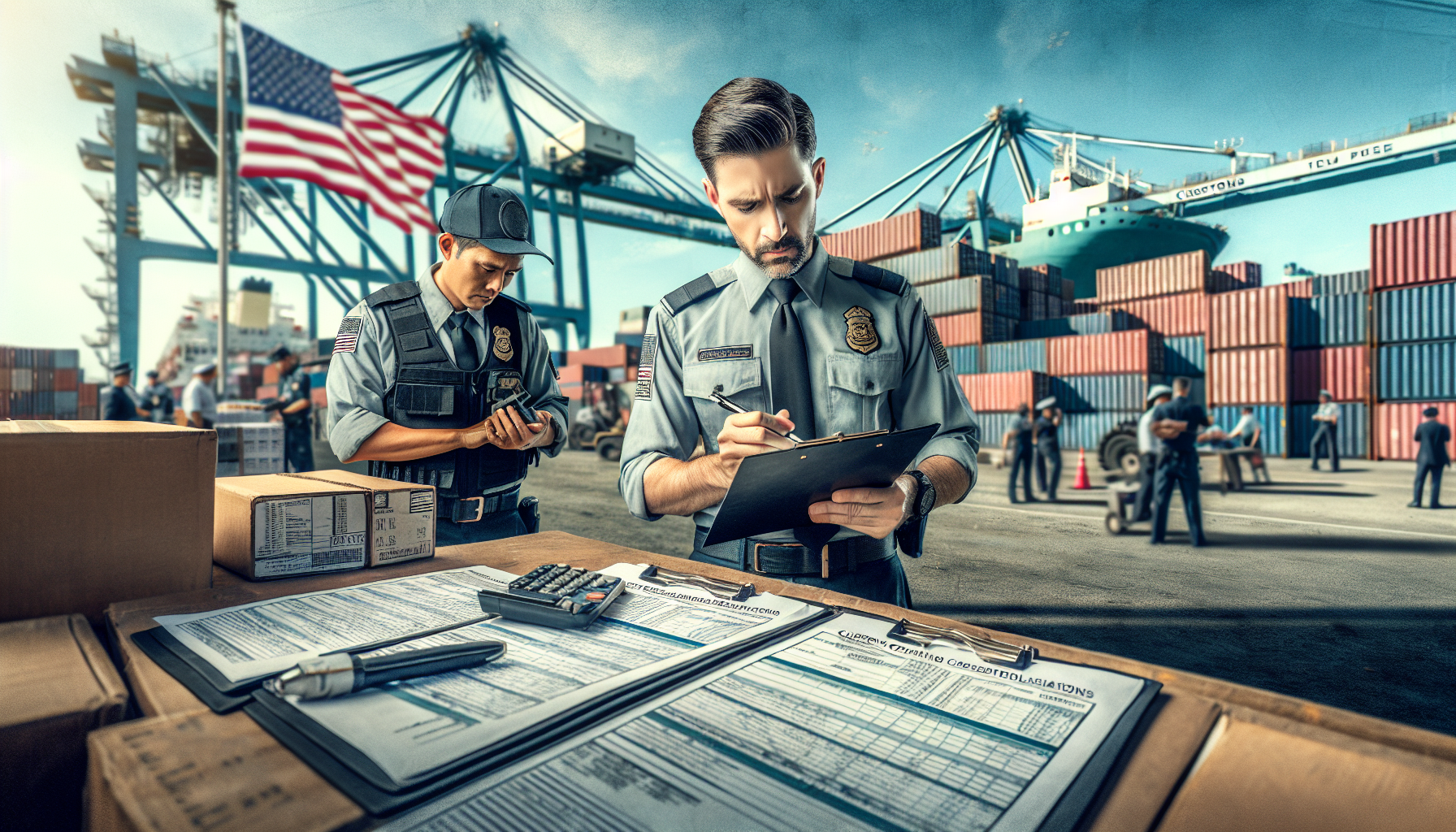
One of the first steps in self-clearing is gathering the necessary paperwork. This includes the commercial invoice, bill of lading or air waybill, packing list, arrival notice, and customs bond. The commercial invoice provides information about the goods being imported, including their value and origin. The bill of lading or air waybill is a transport document that confirms the shipment of goods. The packing list details the contents of each package within the shipment. The arrival notice provides information about the arrival of the goods in the United States. Finally, a customs bond is required to ensure compliance with customs regulations.
3.2 Paying customs duties
After the necessary paperwork is prepared, the next step is to calculate and pay the customs duties. Customs duties are taxes imposed on goods imported into the United States. They are calculated based on the value of the goods, as well as any applicable tariffs or fees. The amount of customs duties can vary depending on the classification of the goods and the country of origin. It is important to ensure accurate calculations and timely payment of customs duties to avoid delays in the clearance process.
3.3 Submitting documentation to U.S. Customs
Once the paperwork is prepared and customs duties are paid, the documentation must be submitted to U.S. Customs and Border Protection (CBP). This can be done either in person or electronically, depending on the specific port of entry. It is crucial to follow the prescribed procedures and submit all required documentation accurately and on time.
3.4 Releasing the goods
After the documentation is submitted to CBP and approved, the goods can be released. This typically involves presenting the necessary clearance documents to the carrier or freight forwarder, who will then release the goods for final delivery. It is important to maintain accurate records and be prepared to provide any additional information or documentation, if required by CBP.

4. Required documents
4.1 Commercial invoice
The commercial invoice provides detailed information about the goods being imported. It includes the description, quantity, and value of the goods, as well as the country of origin. This document is essential for calculating customs duties and ensuring compliance with customs regulations.
4.2 Bill of lading/air waybill
The bill of lading or air waybill is a transport document that serves as proof of shipment and ownership of the goods. It contains information about the carrier, consignee, and details of the goods being transported. This document is necessary for the customs clearance process.
4.3 Packing list
The packing list provides a detailed breakdown of the contents of each package within the shipment. It lists the individual items, their quantities, and any applicable markings or numbers. This document helps customs officials and importers verify the contents of the shipment.
4.4 Arrival notice
The arrival notice is a document that informs the importer of the arrival of the goods at the port of entry. It includes important details such as the estimated time of arrival, container or reference numbers, and the name of the carrier. This document helps importers stay informed and plan for the clearance process.
4.5 Customs bond
A customs bond is a financial guarantee that ensures compliance with customs regulations and the payment of any duties or fees. It is required for self-clearing, as it provides a form of security to CBP. Importers can obtain a customs bond through a bond company or an insurance provider.
5. Customs duties and fees
5.1 Understanding customs duties and fees
Customs duties are taxes imposed by the U.S. government on imported goods. They serve as a source of revenue and also help protect domestic industries by making imported goods relatively more expensive. Customs duties can vary depending on factors such as the value of the goods, their classification, and the country of origin. In addition to customs duties, there may be other fees such as merchandise processing fees and harbor maintenance fees.
5.2 Calculating customs duties
Calculating customs duties can be a complex process and often requires knowledge of customs regulations and the classification of goods. Importers can consult the Harmonized Tariff Schedule (HTS) to determine the applicable duty rates for their goods. The HTS is a comprehensive classification system that assigns a specific code to each product, indicating the applicable duty rates and any additional requirements or restrictions.
5.3 Additional fees
In addition to customs duties, there may be other fees involved in the customs clearance process. These can include merchandise processing fees, which are based on the value of the goods, as well as harbor maintenance fees for goods arriving by sea. It is important to factor in these additional fees when calculating the total cost of self-clearing.
6. Potential challenges and risks
6.1 Complexity of customs regulations
One of the main challenges of self-clearing is the complexity of customs regulations. Importers must have a strong understanding of the rules and procedures involved in the clearance process. Failure to comply with customs regulations can lead to delays, penalties, or even the seizure of goods. It is crucial to invest time in researching and staying updated on customs regulations to avoid potential pitfalls.
6.2 Liability for errors
By choosing to self-clear, importers assume the responsibility for accurately completing the necessary paperwork and submitting it to CBP. Any errors or omissions in the documentation can have serious consequences, including delays and penalties. It is important to double-check all paperwork before submission and seek professional advice if needed.
6.3 Delays in the clearance process
Self-clearing can sometimes result in longer processing times compared to using a customs broker or agent. This is because self-clearing requires individuals or businesses to personally handle all the paperwork and submissions. Delays can occur if there are errors in the documentation or if CBP requires additional information or verification. Importers should be prepared for potential delays and allocate sufficient time for the clearance process.

7. Alternatives to self-clearing
7.1 Hiring a customs broker
One alternative to self-clearing is to hire a customs broker. A customs broker is a licensed professional who specializes in customs regulations and procedures. They can handle the entire customs clearance process on behalf of the importer, ensuring compliance with regulations and facilitating a smoother clearance process. Hiring a customs broker can be beneficial for those who do not have the time, expertise, or resources to navigate the clearance process independently.
7.2 Using a freight forwarder
Another alternative to self-clearing is to work with a freight forwarder. A freight forwarder is a company that specializes in organizing the transportation and logistics of goods. They can handle the customs clearance process as part of their overall service, coordinating with customs brokers and other stakeholders to ensure a seamless import process. This option can be advantageous for importers who prefer to entrust the entire import process to a single service provider.
7.3 Working with a customs agent
A customs agent is another alternative to self-clearing. Similar to a customs broker, a customs agent has expertise in customs procedures and can assist with the clearance process. However, unlike a customs broker, a customs agent typically works on a more transactional basis, providing services only for specific shipments or projects. Working with a customs agent can be a cost-effective option for occasional importers or those with limited resources.
8. Tips for successful self-clearing
8.1 Researching customs regulations
To ensure a successful self-clearing process, it is crucial to research and stay informed about customs regulations. This includes understanding the specific requirements and procedures for the type of goods being imported and the country of origin. Staying updated on changes in customs regulations can help avoid compliance issues and delays.
8.2 Understanding the classification of goods
The correct classification of goods is essential for properly calculating customs duties and ensuring compliance with regulations. Importers should familiarize themselves with the Harmonized Tariff Schedule (HTS) and accurately classify their goods based on the provided codes. If unsure, seeking expert advice or guidance can help avoid potential classification errors.
8.3 Maintaining accurate records
Accurate record-keeping is crucial for self-clearing. Importers should maintain detailed records of all documentation, communications, and transactions related to the clearance process. This includes copies of invoices, bills of lading, packing lists, and any correspondence with CBP or other parties involved. Keeping accurate records can help facilitate future audits, resolve disputes, and ensure compliance with customs regulations.
9. Case study: Self-clearing process for individuals
9.1 Step 1: Gathering necessary documents
When self-clearing as an individual, the first step is to gather all the necessary documents. This includes the commercial invoice, bill of lading or air waybill, packing list, arrival notice, and customs bond. Individuals should ensure that all documents are complete, accurate, and meet the requirements of U.S. Customs.
9.2 Step 2: Completing the customs entry
After gathering the necessary documents, individuals need to complete the customs entry. This involves accurately completing the necessary forms and providing all the required information, such as the description, value, and quantity of the goods. It is essential to double-check all entries for accuracy and completeness.
9.3 Step 3: Paying customs duties
Once the customs entry is completed, individuals must calculate and pay the customs duties. This involves determining the applicable duty rates based on the classification of the goods and the country of origin. Importers can refer to the Harmonized Tariff Schedule (HTS) for the correct duty rates. Payment can be made electronically or in person at the designated CBP office.
9.4 Step 4: Presenting the documents to Customs
After customs duties are paid, individuals need to present the completed documentation to U.S. Customs. This can be done either in person at the designated CBP office or electronically, depending on the specific port of entry. It is crucial to follow the prescribed procedures, submit all required documents accurately, and respond promptly to any requests or inquiries from CBP.
9.5 Step 5: Releasing the goods
Once the documentation is submitted to CBP and approved, individuals can proceed with releasing the goods. This typically involves presenting the necessary clearance documents to the carrier or freight forwarder responsible for the final delivery. It is important to maintain accurate records and be prepared to provide any additional information or documentation, if required by CBP.
10. Conclusion
10.1 Final thoughts on self-clearing
Self-clearing offers individuals and businesses the opportunity to take control of the customs clearance process and potentially save money by eliminating the need for a customs broker or agent. However, it is important to note that self-clearing can be a complex and time-consuming process, requiring a good understanding of customs regulations and documentation requirements.
10.2 Summary of key points
- Self-clearing involves personally managing the customs clearance process for imported goods.
- Individuals and corporations are eligible to self-clear, but should be knowledgeable about customs regulations and requirements.
- The self-clearing process includes gathering necessary paperwork, paying customs duties, submitting documentation to CBP, and releasing the goods.
- Required documents for self-clearing include the commercial invoice, bill of lading or air waybill, packing list, arrival notice, and customs bond.
- Customs duties and fees are an important consideration in the self-clearing process and should be calculated accurately.
- Potential challenges and risks of self-clearing include the complexity of customs regulations, liability for errors, and possible delays in the clearance process.
- Alternatives to self-clearing include hiring a customs broker, using a freight forwarder, or working with a customs agent.
- Tips for successful self-clearing include researching customs regulations, understanding the classification of goods, and maintaining accurate records.
- A case study provided an overview of the self-clearing process for individuals.
- In conclusion, self-clearing can be a viable option for those with the necessary knowledge and resources, but careful consideration and thorough preparation are essential for a successful clearance process.
Overall, self-clearing is a viable option for individuals and businesses seeking more control over the customs clearance process. By understanding the requirements, preparing the necessary documentation, and staying informed on customs regulations, importers can successfully navigate the self-clearing process and ensure a smooth importation of their goods.
