
Customs Clearance For Medical Equipment
So, you’ve decided to venture into the world of importing or exporting medical equipment. It’s an exciting but intricate process, with one crucial step that can’t be overlooked: customs clearance. Whether you’re bringing in life-saving devices or shipping out state-of-the-art technology, navigating customs regulations is vital for a smooth and successful transaction. In this article, we’ll explore the ins and outs of customs clearance for medical equipment, ensuring you have the knowledge and tools to streamline the process and get your equipment where it needs to go.
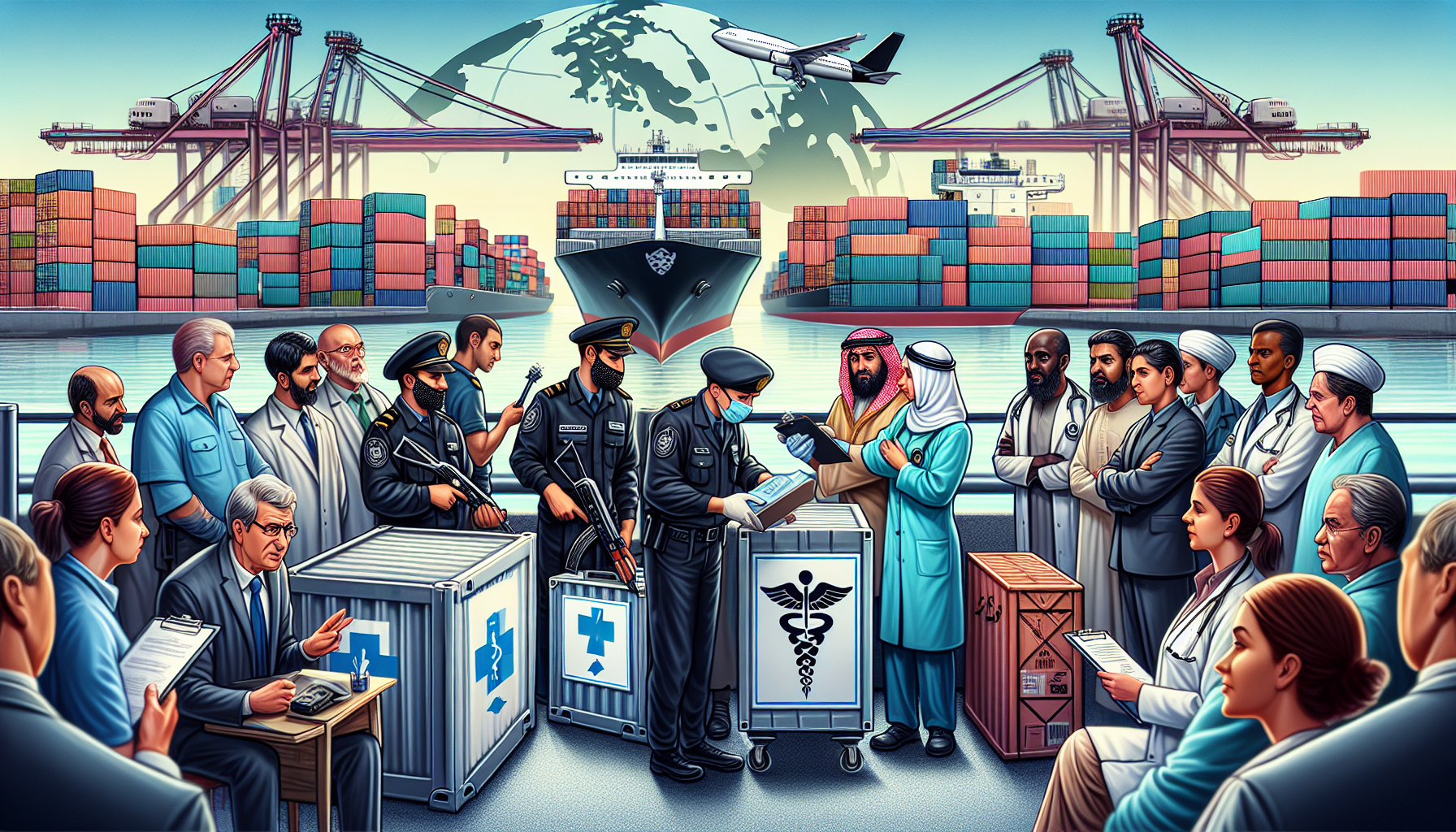

Types of Medical Equipment
Diagnostic equipment
Diagnostic equipment is used to determine the cause and nature of an illness or condition. This type of equipment includes tools such as MRI machines, ultrasound scanners, X-ray machines, and blood analyzers. Diagnostic equipment plays a crucial role in the early detection and accurate diagnosis of diseases, allowing healthcare professionals to provide appropriate treatment plans.
Surgical equipment
Surgical equipment is essential for conducting surgical procedures safely and effectively. This category includes surgical instruments, anesthesia machines, surgical lasers, and operating tables. Surgical equipment ensures that healthcare professionals have the necessary tools and devices to perform surgeries with precision, minimizing risks and improving patient outcomes.
Monitoring and life support equipment
Monitoring and life support equipment are crucial for maintaining the health and stability of patients. This category includes devices such as ECG monitors, ventilators, defibrillators, and anesthesia monitors. These devices help healthcare providers monitor vital signs, administer medication, and provide life-saving interventions when necessary.
Dental equipment
Dental equipment refers to tools and devices used in dental procedures and oral healthcare. This category includes dental chairs, X-ray machines, dental drills, and dental lasers. Dental equipment enables dental professionals to diagnose and treat dental issues, ensuring optimal oral health for their patients.
Laboratory equipment
Laboratory equipment is essential for conducting diagnostic tests and analyzing samples, aiding in the detection and monitoring of diseases. This category includes microscopes, centrifuges, spectrophotometers, and autoclaves. Laboratory equipment plays a critical role in supporting accurate and timely laboratory testing, enabling healthcare providers to make informed decisions regarding patient care.
Radiology equipment
Radiology equipment is used for imaging and diagnosing various medical conditions. This category includes X-ray machines, CT scanners, PET scanners, and MRI machines. Radiology equipment provides detailed images of the internal structures of the body, helping healthcare professionals identify and diagnose diseases and injuries.
Rehabilitation equipment
Rehabilitation equipment is used to aid in the recovery and rehabilitation of patients with physical disabilities or injuries. This category includes items such as mobility aids, prosthetics, orthotics, and physical therapy equipment. Rehabilitation equipment plays a vital role in helping patients regain their independence and improve their quality of life.
Therapeutic equipment
Therapeutic equipment is used to deliver treatments and therapies to patients. This category includes devices such as infusion pumps, nebulizers, dialysis machines, and oxygen concentrators. Therapeutic equipment ensures that patients receive the necessary treatments and therapies to manage their conditions and improve their health.
Medical imaging equipment
Medical imaging equipment encompasses a range of devices used to create visual representations of the body’s structures and functions. This category includes ultrasound machines, mammography equipment, fluoroscopy machines, and nuclear medicine scanners. Medical imaging equipment assists healthcare professionals in diagnosing and monitoring various medical conditions.
Medical disposables
Medical disposables include a variety of consumable items that are used once and then discarded. This category includes items such as gloves, gowns, syringes, catheters, and wound dressings. Medical disposables play a critical role in maintaining infection control standards and ensuring the safety and well-being of both patients and healthcare providers.
Import Regulations and Documentation
Duty and taxes
When importing medical equipment, it is essential to be aware of the duty and taxes associated with the importation process. Duties and taxes are usually based on the value of the imported goods and can vary depending on the country of import. It is crucial to understand the applicable duty rates and tax requirements to avoid any unexpected costs or delays in customs clearance.
Import licenses and permits
Import licenses and permits are often required for the importation of medical equipment. These documents are issued by the relevant government authorities and are necessary to demonstrate compliance with import regulations. Obtaining the required licenses and permits ensures that the imported medical equipment meets the necessary quality and safety standards.
Certificates and clearances
Certain medical equipment may require specific certificates and clearances to ensure compliance with quality and safety standards. These certificates can include product certifications, such as CE marking or FDA approval, indicating that the equipment meets specific quality and safety requirements. Clearances may also be required for specific types of equipment, such as radiation-emitting devices.
Product registration
In many countries, medical equipment must be registered with the appropriate regulatory authorities before it can be imported and sold. Product registration ensures that the equipment meets the necessary quality and safety standards and is authorized for use within the country. The registration process typically involves submitting detailed information about the equipment, its intended use, and any supporting documentation or certificates.
Technical specifications and manuals
Accurate and detailed technical specifications and manuals are essential for customs clearance of medical equipment. These documents provide information about the equipment’s design, functionality, and intended use. In addition to facilitating customs procedures, technical specifications and manuals are also crucial for healthcare professionals to understand how to operate and maintain the equipment safely.
Packing list and commercial invoice
A packing list and commercial invoice are necessary documents for customs clearance. The packing list provides a detailed inventory of the imported medical equipment, including quantities and descriptions. The commercial invoice contains information about the shipment’s value, including the cost of the equipment, transportation fees, and insurance. These documents are paramount for customs officials to verify the contents of the shipment and assess the applicable duties and taxes.
Bill of lading or airway bill
The bill of lading or airway bill serves as proof of shipment and transport of the medical equipment. It includes details such as the exporter’s and importer’s information, the carrier’s information, and a description of the goods being transported. This document is required for customs clearance and provides evidence of the movement of the equipment.
Medical device listing
Some countries may require the listing of medical equipment in a national medical device database. This listing helps regulatory authorities keep track of imported medical equipment and ensure its compliance with quality and safety standards. Providing accurate information for medical device listings is crucial for customs clearance and ongoing compliance with regulatory requirements.
Customs power of attorney
A customs power of attorney authorizes a customs broker or agent to act on behalf of the importer in customs clearance procedures. This document enables the customs broker to handle the necessary paperwork, communicate with customs authorities, and facilitate the efficient and timely customs clearance of the medical equipment.
Customs declaration
A customs declaration is a formal statement made by the importer or their authorized representative, providing information about the imported goods and declaring their value and nature. This document is essential for customs officials to assess the applicable duties and taxes and ensure compliance with import regulations. Accurate and complete customs declarations are crucial to avoid any delays or penalties in customs clearance.
Customs Procedures
Pre-arrival document submission
Before the arrival of the medical equipment, it is often necessary to submit certain documents to customs authorities. These documents may include the packing list, commercial invoice, bill of lading or airway bill, and any necessary licenses or permits. Submitting the required documents in advance enables customs officials to review and process the shipment efficiently, reducing the time required for customs clearance.
Customs valuation
Customs valuation involves assessing the value of the imported medical equipment for duty and tax purposes. Customs officials typically consider factors such as the transaction value, transportation costs, and insurance fees when determining the customs value. Accurate customs valuation is crucial to ensure compliance with import regulations and prevent any disputes or delays in customs clearance.
Examination of goods
Customs authorities may conduct an examination of the imported medical equipment to verify its contents and compliance with import regulations. This examination can involve physical inspection, testing, or documentation review. The purpose of the examination is to ensure that the equipment meets the necessary quality and safety standards and does not pose any potential risks to public health.
Payment of duties and taxes
Once the customs valuation is complete, the importer is required to pay the applicable duties and taxes. The payment is typically based on the assessed value of the imported medical equipment. It is essential to accurately calculate and promptly pay the duties and taxes to avoid any penalties or delays in customs clearance.
Release of goods
Upon successful customs clearance, the imported medical equipment is released and can be delivered to its intended destination. The release of goods is typically authorized once all necessary customs procedures have been completed, including the payment of duties and taxes and compliance with import regulations. Promptly arranging for the release of goods ensures timely delivery and availability of the medical equipment for use.
Temporary importation
In some cases, it may be necessary to temporarily import medical equipment for specific purposes, such as exhibitions or demonstrations. Temporary importation procedures allow for the temporary entry of the equipment without the requirement for full customs duties and taxes. However, specific conditions and timeframes apply, and it is crucial to comply with the temporary importation regulations to avoid any penalties or issues upon re-exportation.
Re-exportation or disposal of goods
If the imported medical equipment is no longer needed or if there are specific import restrictions, it may be necessary to re-export or dispose of the goods. Re-exportation involves exporting the equipment back to the country of origin or another approved destination. Disposal procedures may involve proper handling and disposal of equipment to ensure environmental and public health safety. Properly managing the re-exportation or disposal of goods is important for compliance with import regulations and social responsibility.
Notifying relevant authorities
Throughout the customs clearance process, it is important to keep relevant authorities informed of any changes or updates regarding the imported medical equipment. This can include notifying regulatory authorities of any changes in the device listing, providing updates on the status of the shipment, or reporting any issues or incidents related to the imported equipment. Proper communication with relevant authorities helps ensure compliance and facilitates the efficient and transparent customs clearance of the medical equipment.


Restricted and Prohibited Items
Narcotics and controlled substances
Importing narcotics and controlled substances is generally prohibited and subject to strict regulations. These substances are highly regulated due to their potential for misuse and abuse. Importation of narcotics and controlled substances is usually limited to authorized entities, such as pharmaceutical companies or licensed healthcare providers, and requires appropriate licenses and permits.
Biological materials
Import regulations for biological materials, such as human tissues, organs, or blood products, are typically stringent due to the potential risks associated with these materials. Importation of biological materials may require specific licenses, permits, or clearances to ensure compliance with safety and health regulations. These regulations aim to protect public health and prevent the spread of infectious diseases.
Radioactive materials
Radioactive materials, commonly used in medical imaging and radiation therapy, are subject to strict import regulations. Importation of radioactive materials often requires specific licenses and permits to ensure compliance with radiation safety standards. Proper handling, transportation, and disposal of radioactive materials are essential to prevent any potential risks to public health and the environment.
Hazardous chemicals
Importation of hazardous chemicals, such as certain disinfectants, solvents, or laboratory reagents, is subject to specific regulations to prevent risks to human health and the environment. These chemicals may require proper labeling, packaging, and documentation to ensure compliance with safety, health, and environmental standards. Importing hazardous chemicals without the necessary certifications or permits may result in delays, penalties, or the rejection of the shipment.
Pharmaceutical products
Pharmaceutical products, including medicines and drugs, are subject to strict regulations and control measures to ensure their quality, safety, and efficacy. Importation of pharmaceutical products typically requires registration and compliance with specific labeling, packaging, and storage requirements. In addition, the importation of counterfeit or unlicensed pharmaceutical products is strictly prohibited to protect public health and prevent potential harm.
Equipment without necessary certifications
Importing medical equipment without the necessary certifications or approvals is generally not allowed. Medical equipment must meet specific quality and safety standards to ensure its suitability for use in healthcare settings. Importing uncertified or unapproved equipment may pose risks to patient health and safety. Proper documentation and certification are critical to demonstrating compliance with applicable regulations.
Items violating intellectual property rights
Importing medical equipment that violates intellectual property rights, such as counterfeit or unauthorized replicas of patented devices, is strictly prohibited. Intellectual property rights protect the innovation and creativity of medical device manufacturers. Importation of infringing products can result in legal consequences, including penalties, fines, and injunctions. It is crucial to respect intellectual property rights and only import genuine and authorized equipment.
War-related items
Importation of war-related items, such as weapons, ammunition, or military-grade equipment, is strictly regulated and often prohibited. These items pose significant risks to public safety and international security. Importing war-related items without the necessary licenses or approvals is illegal and can result in severe legal consequences.
Sensitive medical data
The importation of medical equipment that processes or stores sensitive medical data, such as electronic medical records systems or medical imaging devices, requires special consideration. Importation of equipment with data storage capabilities must comply with data protection and privacy regulations to safeguard patient information. Appropriate security measures and protocols should be in place to protect sensitive medical data from unauthorized access or breaches.
Quality Control and Product Testing
Certification requirements
Certification requirements for medical equipment vary depending on the country of import and the type of equipment. Certification ensures that the equipment meets specific quality and safety standards. Common certifications include CE marking for compliance with European Union regulations and FDA approval for the United States market. It is crucial to understand the certification requirements for the target market to ensure compliance and facilitate customs clearance.
Conformity assessment
Conformity assessment is the process of evaluating whether the imported medical equipment meets the necessary standards and regulatory requirements. This assessment may involve testing, inspection, or verification of the equipment’s design, performance, and safety features. Conformity assessment demonstrates that the equipment complies with the applicable regulations, ensuring its suitability for use in the intended market.
Clinical trials and testing
In some cases, medical equipment may be subject to clinical trials or testing to evaluate its safety and effectiveness. Clinical trials involve testing the equipment on human subjects under controlled conditions, while testing focuses on evaluating the equipment’s functionality and performance. The results of clinical trials and testing play a crucial role in establishing the equipment’s efficacy and safety profile, enabling regulatory authorities to determine its suitability for use.
ISO standards
ISO standards are internationally recognized standards that provide guidelines for quality management, safety, and performance of medical equipment. Compliance with ISO standards helps ensure that the imported medical equipment meets global quality and safety expectations. Importers should be familiar with relevant ISO standards that apply to their specific category of medical equipment and ensure compliance during production and manufacturing processes.
Good Manufacturing Practice (GMP)
Good Manufacturing Practice (GMP) is a set of guidelines and standards that ensure the consistent production and quality control of medical equipment. GMP covers various aspects of the manufacturing process, including facility cleanliness, documentation, equipment maintenance, and personnel training. Compliance with GMP standards is important to ensure that the imported medical equipment is produced under controlled conditions and meets the necessary quality and safety requirements.
Post-market surveillance
Post-market surveillance involves monitoring the performance and safety of medical equipment after it has been placed on the market. This surveillance helps identify any potential risks or issues associated with the equipment and enables prompt corrective actions. Importers should establish post-market surveillance systems to ensure ongoing compliance and the timely identification of any safety concerns.
Sampling and laboratory analysis
Sampling and laboratory analysis may be conducted to verify the quality and safety of imported medical equipment. Samples of the equipment may be randomly selected for laboratory testing to assess compliance with applicable standards and regulations. Laboratory analysis can provide objective data and evidence regarding the equipment’s performance, safety, and reliability. Ensuring the quality and accuracy of laboratory analysis is crucial for customs clearance and compliance with regulatory requirements.
Customs Duties and Taxes
Tariff classifications
Tariff classifications determine the level of duties and taxes applicable to imported medical equipment. Each type of equipment is assigned a specific Harmonized System (HS) code, which corresponds to a particular tariff rate. Accurate classification of medical equipment is crucial for determining the correct duties and taxes and ensuring compliance with import regulations.
Customs valuation methods
Customs valuation methods determine the value of imported medical equipment for duty and tax purposes. Common valuation methods include the transaction value, which is the price actually paid or payable for the equipment, and the deductive value, which is based on the equipment’s selling price in the destination country. Proper application of customs valuation methods is essential to ensure accurate and fair assessment of duties and taxes.
Tax exemptions and reliefs
Some countries provide tax exemptions or reliefs for specific types of medical equipment. These exemptions and reliefs may be based on the equipment’s intended use or the importing entity’s status, such as non-profit organizations or government institutions. Importers should be aware of any applicable tax exemptions or reliefs and ensure compliance with the necessary requirements to take advantage of these benefits.
Value-added tax (VAT)
Value-added tax (VAT) is a consumption tax applied to the value added at each stage of production and distribution. Importation of medical equipment may be subject to VAT, depending on the country’s tax regulations. Importers should be aware of the applicable VAT rates and ensure compliance with VAT requirements to avoid any penalties or delays in customs clearance.
Import duties
Import duties are charges imposed on imported goods and are typically based on the value of the equipment. These duties are determined by the customs authority and vary depending on the country of import. It is important to accurately calculate and pay the applicable import duties to ensure compliance with import regulations and facilitate timely customs clearance.
Excise duties
Excise duties are typically imposed on specific types of medical equipment or products that are considered to be luxury goods or harmful to public health. These duties are separate from import duties and are applied based on the specific category or nature of the imported equipment. Importers should be aware of any applicable excise duties and comply with the necessary requirements for customs clearance.
Customs fees and charges
In addition to import duties and taxes, customs fees and charges may be applied for customs clearance services. These fees cover administrative costs associated with customs procedures, documentation, and inspections. Importers should be aware of the applicable customs fees and charges and ensure timely payment to avoid any delays or issues in customs clearance.
Penalties and fines
Failure to comply with customs duties and tax requirements can result in penalties and fines. These penalties may be imposed for late payment, incorrect valuation, misclassification, or non-compliance with customs regulations. Importers should ensure accurate documentation, timely payment, and compliance with import regulations to avoid any penalties or fines and facilitate smooth customs clearance.

Customs Brokerage Service
Role of customs broker
A customs broker plays a crucial role in facilitating customs clearance of medical equipment. They are licensed professionals who specialize in navigating complex customs regulations and procedures. Customs brokers act as intermediaries between importers and customs authorities, ensuring that all necessary documentation is properly prepared and submitted, and that customs requirements are met.
Benefits of using a customs broker
Using a customs broker offers several benefits for the importation of medical equipment. Customs brokers have in-depth knowledge of customs regulations, procedures, and documentation requirements, which helps streamline the customs clearance process. They also have established relationships with customs authorities, enabling efficient communication and resolving any issues that may arise during customs clearance.
Paperwork and document preparation
Customs brokers assist with the preparation and submission of all necessary paperwork and documentation for customs clearance. They ensure that the documentation is accurately completed, including packing lists, commercial invoices, certificates, and licenses. By taking care of the paperwork, customs brokers save importers valuable time and reduce the risk of errors or omissions that could lead to customs delays.
Navigating complex customs regulations
Customs regulations can be complex and vary from country to country. Customs brokers are well-versed in these regulations and can guide importers through the process, ensuring compliance and minimizing the risk of customs issues. Their expertise in customs requirements helps importers avoid potential delays, penalties, or rejections of the medical equipment.
Efficiency and time-saving
Customs brokers streamline the customs clearance process, saving importers time and effort. They have extensive knowledge of the necessary procedures and requirements, enabling them to complete customs clearance tasks efficiently. By entrusting customs clearance to a broker, importers can focus on other aspects of their business, knowing that the process is in capable hands.
Professional expertise
Customs brokers possess specialized knowledge and expertise in customs procedures and regulations. They stay up to date with changes in customs requirements and can provide advice and support regarding the importation of medical equipment. Importers can leverage the professional expertise of customs brokers to ensure smooth customs clearance and compliance with import regulations.
Communication with customs authorities
Customs brokers act as a point of contact between importers and customs authorities. They have established relationships with customs officials and can effectively communicate and negotiate on behalf of the importer. By handling all communication with customs authorities, customs brokers ensure that importers stay informed and that any issues or concerns are addressed promptly.
Cost considerations
Although customs brokerage services involve additional costs, they can result in cost savings and efficiencies in the long run. Customs brokers help importers avoid potential customs delays, penalties, or fines, which can be costly. By ensuring smooth customs clearance, customs brokers help importers maintain timely delivery of medical equipment, minimize the risk of stockouts, and prevent disruptions to healthcare services.
Transportation and Logistics
Choosing the right shipping method
Choosing the appropriate shipping method is crucial for the safe and efficient transport of medical equipment. Factors to consider include transportation time, cost, security, and the nature of the equipment. Options such as air freight, sea freight, or land transportation should be evaluated based on the urgency of delivery and the specific requirements of the medical equipment.
Packaging and labeling requirements
Proper packaging and labeling of medical equipment are essential to protect the equipment during transport and ensure its safe handling. Packaging should provide adequate protection against shocks, vibrations, and temperature fluctuations. Labels should be clear and legible, indicating the contents, handling instructions, and any necessary safety warnings. Compliance with packaging and labeling requirements helps prevent damage to the equipment and facilitate customs clearance.
Temperature control and special handling
Some medical equipment, such as vaccines, blood products, or certain medications, may require temperature control during transportation. Special handling procedures may be necessary for delicate or fragile equipment. Compliance with temperature control and special handling requirements is critical to preserving the integrity and efficacy of the medical equipment and ensuring its suitability for use upon arrival.
Insurance coverage
Maintaining appropriate insurance coverage is important to protect against potential risks and losses during transportation. Medical equipment can be valuable, and the transportation process may involve various risks, such as theft, damage, or accidents. Importers should consider obtaining comprehensive insurance coverage that includes coverage for transit, storage, and any potential customs issues.
Transportation documentation
Accurate and complete transportation documentation is necessary for customs clearance and tracking the movement of the medical equipment during transportation. Documentation should include the bill of lading or airway bill, packing list, commercial invoice, and any necessary transport permits or licenses. Importers should ensure that all transportation documentation is properly completed and readily available for customs officials.
Tracking and tracing
Tracking and tracing systems enable importers to monitor the movement of the medical equipment during transportation. These systems provide real-time updates on the location and status of the shipment, allowing importers to address any potential issues promptly. Tracking and tracing systems contribute to the transparency and security of the transportation process.
Customs clearance at the port of entry
Customs clearance at the port of entry is a critical step in ensuring the timely delivery of medical equipment. Proper documentation, compliance with import regulations, and efficient customs procedures are essential for smooth customs clearance. Importers should collaborate with customs brokers and logistics providers to ensure that all necessary customs clearance requirements are met.
Warehousing and storage
Warehousing and storage facilities play an important role in the transportation and logistics of medical equipment. Importers should consider factors such as security, climate control, and proximity to ports or distribution centers when selecting a warehousing and storage provider. Well-maintained facilities help protect the medical equipment during storage and ensure its availability for distribution.
Customs Risk Management
Compliance with customs laws and regulations
Compliance with customs laws and regulations is paramount for the importation of medical equipment. Importers should stay informed about the specific customs requirements of the destination country and ensure that all necessary documentation, permits, and certificates are in order. Compliance with customs laws minimizes the risk of delays, penalties, or rejections of the equipment.
Risk assessment and mitigation
Conducting a thorough risk assessment is an important step in managing customs-related risks. Importers should identify potential risks and evaluate their likelihood and potential impact. Mitigation strategies, such as accurate documentation, compliance with certification requirements, and engaging customs brokers, can help reduce the identified risks and ensure smooth customs clearance.
Intellectual property protection
Protecting intellectual property rights is crucial when importing medical equipment. Importers should ensure that the equipment does not violate any patents, trademarks, or copyrights. Verification of the authenticity and authorization of the equipment can help prevent legal issues and protect the reputation and business of both the importer and the original manufacturer.
Avoiding delays and penalties
Delays and penalties in customs clearance can have significant impacts on the availability and accessibility of medical equipment. Importers should remain proactive in complying with customs requirements, submitting accurate documentation, and paying applicable duties and taxes promptly. Avoiding delays and penalties ensures timely delivery of the medical equipment and maintains continuity of healthcare services.
Engaging professionals for risk management
Importers can benefit from engaging professionals with expertise in customs risk management. Customs brokers, legal advisors, and risk management consultants can provide guidance and support in navigating the complex customs landscape. Their knowledge and experience help identify potential risks, develop risk mitigation strategies, and ensure compliance with customs requirements.
Monitoring changing regulations
Customs regulations and requirements can change over time. Importers should stay updated on any changes in import regulations, tariff rates, or documentation requirements. Regular monitoring of changing regulations helps importers adapt and make necessary adjustments to their customs clearance processes.
Establishing internal control procedures
Establishing internal control procedures for customs clearance is essential for importers. These procedures ensure that all necessary documentation and compliance requirements are consistently met. Internal control procedures help minimize the risk of errors, omissions, or non-compliance with customs regulations.
Conducting internal audits
Regular internal audits of customs clearance processes can help identify any weaknesses, gaps, or areas for improvement. Internal audits ensure that importers are consistently complying with customs requirements and following established procedures. The insights gained from internal audits enable importers to address any issues and enhance the overall effectiveness and efficiency of customs clearance.
Conclusion
Customs clearance for medical equipment is a critical process that involves navigating complex regulations, documentation, and procedures. Importers must familiarize themselves with the specific requirements and regulations of the importing country to ensure compliance and the timely delivery of medical equipment. Seeking professional assistance from customs brokers, legal advisors, and risk management consultants can greatly facilitate the customs clearance process. Effective customs clearance requires careful planning, thorough preparation, and ongoing compliance with import regulations. By understanding and adhering to the necessary customs procedures, importers can ensure the smooth importation of medical equipment, supporting efficient healthcare services and patient care.
