
Can I Use Customs Clearance For Goods Subject To Intellectual Property Enforcement?
So you’ve got a shipment of goods that are subject to intellectual property enforcement, and you’re wondering if you can use customs clearance to get them through? Well, you’re in luck because in this article, we’re going to tackle exactly that question. Intellectual property is a hot topic in the global marketplace, with counterfeit goods and copyright infringement becoming increasingly prevalent. And while customs clearance may seem like a straightforward process, it becomes a bit trickier when it involves goods that are subject to intellectual property laws. Let’s explore whether or not customs clearance can be used for such goods, and what implications it may have.
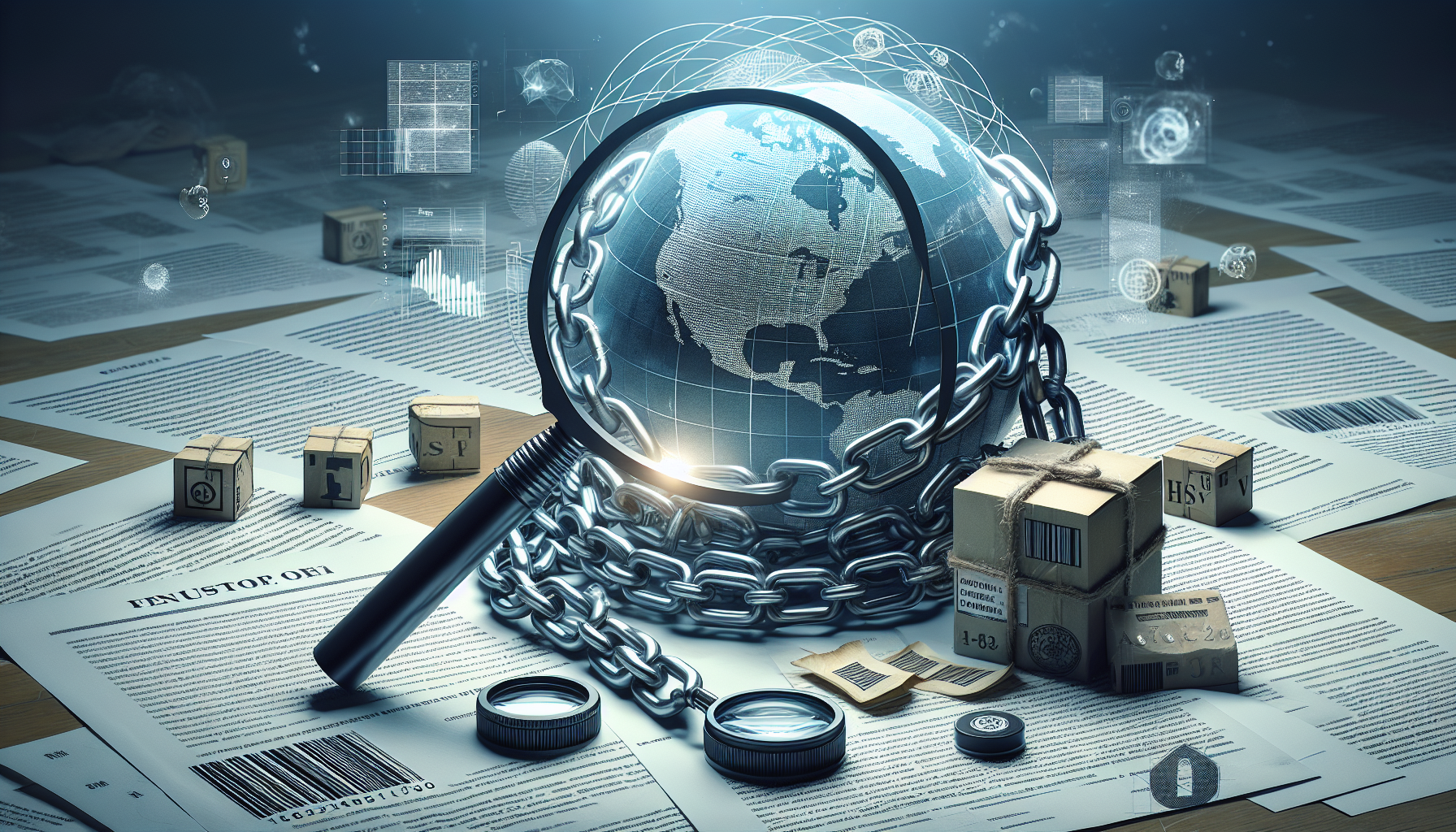

Importance of Intellectual Property Enforcement
Intellectual property rights play a crucial role in today’s global economy, as they protect the rights of creators and innovators. From inventions and designs to trademarks and copyrights, these rights encourage invention, creativity, and investment in various industries. However, without effective enforcement, these rights can easily be infringed upon, leading to significant economic losses for rights holders. That’s where intellectual property enforcement comes into the picture.
Intellectual property rights
Before delving into the importance of enforcement, it is vital to understand what intellectual property rights encompass. Intellectual property includes patents, which protect inventions and technical advancements; trademarks, which safeguard brands and logos; copyrights, which secure original works of authorship; and trade secrets, which protect confidential business information. These rights are territorial, meaning that they are valid within specific jurisdictions.
Challenges of intellectual property enforcement
Despite the clear importance of intellectual property rights, enforcing them can be a challenging task. One of the primary obstacles faced by rights holders is the global nature of infringing activities. With the rise of online sales platforms and the ease of cross-border trade, infringers can exploit legal loopholes and reach customers worldwide. This makes it difficult for rights holders to track and prevent the flow of counterfeit goods and pirated content.
Additionally, the evolving techniques used by infringers to hide their illegal activities pose a significant challenge. From sophisticated manufacturing processes that replicate genuine products to advanced online platforms that distribute pirated content, a multitude of strategies are employed to evade detection and punishment. These challenges require a coordinated approach involving various stakeholders, including customs authorities.
Role of customs clearance
Customs clearance serves as a crucial mechanism in the fight against intellectual property infringement, acting as a frontline defense at national borders. It involves the examination and release of goods entering or leaving a country, based on compliance with regulatory requirements. By leveraging customs procedures, intellectual property rights can be protected more effectively, contributing to fair competition and economic growth.
Understanding Customs Clearance
What is customs clearance?
Customs clearance refers to the process by which goods are authorized to enter or leave a country’s territory. It involves the submission of relevant documents, payment of duties and taxes, and adherence to regulatory requirements. The process is facilitated by customs authorities, who examine and assess the goods to ensure compliance with legal and administrative provisions.
Customs procedures and requirements
Customs procedures and requirements vary from country to country, but their core objective remains the same – to ensure the safety, security, and legality of goods crossing borders. These procedures may include the submission of import or export declarations, invoices, and licenses, as well as the payment of customs duties and taxes.
To successfully navigate the customs clearance process, it is crucial to have a comprehensive understanding of the regulations and requirements specific to the country of import or export. A lack of knowledge regarding customs procedures can result in delays, fines, and even the seizure of goods.
Importance of customs clearance for goods
Customs clearance is of particular significance when it comes to goods subject to intellectual property enforcement. It provides an essential opportunity for rights holders to detect and prevent the entry or exit of counterfeit products, pirated content, and other infringing goods. By scrutinizing shipments and verifying their authenticity, customs authorities can play a pivotal role in protecting intellectual property rights.
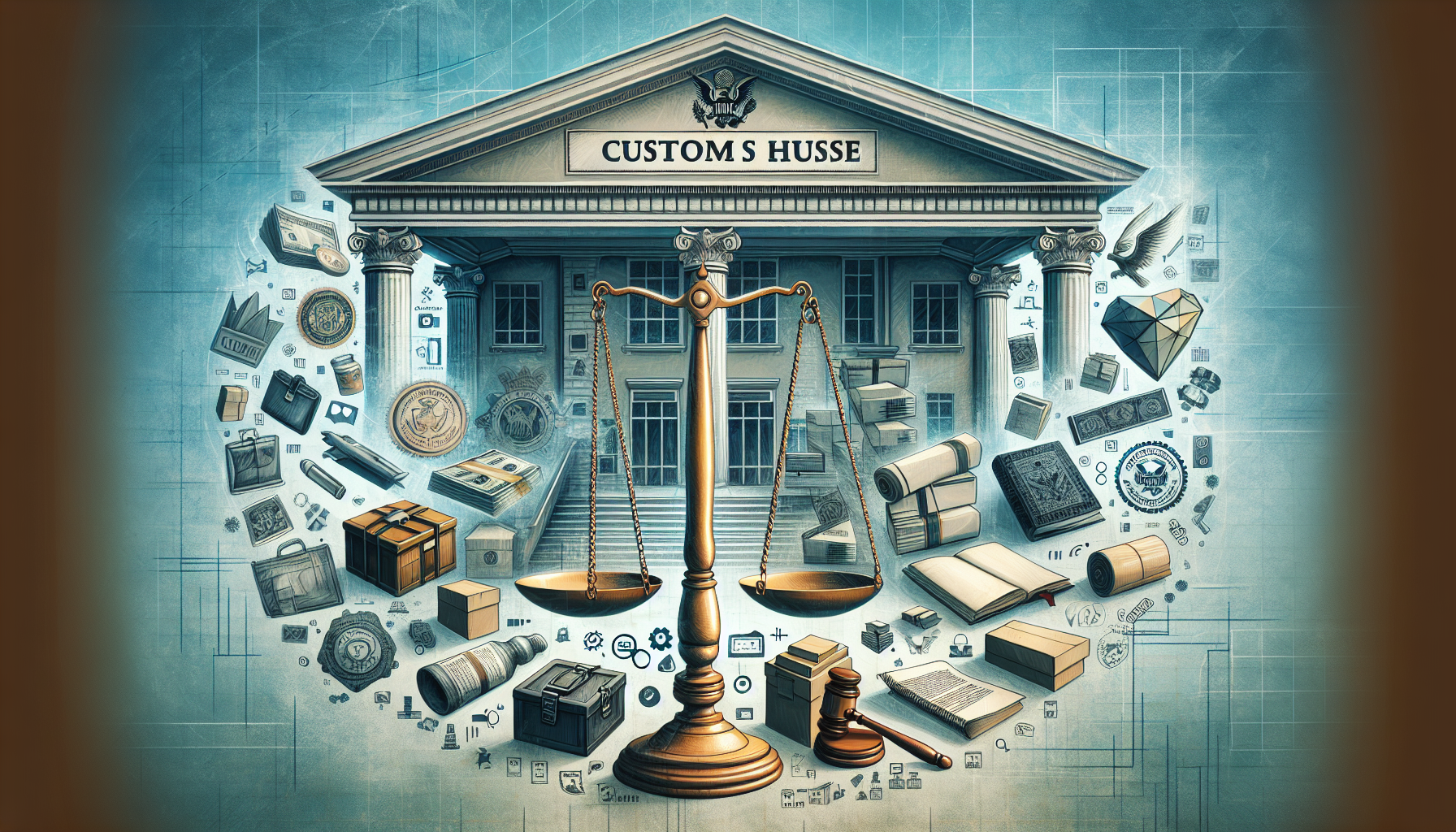

Goods Subject to Intellectual Property Enforcement
Types of goods subject to intellectual property enforcement
A wide range of goods can be subject to intellectual property enforcement. These can include physical products, such as luxury goods, electronics, pharmaceuticals, and apparel. Additionally, digital goods, such as software, movies, and music, are also subject to enforcement measures. Regardless of the format or medium, any goods that infringe upon trademarks, copyrights, patents, or trade secrets can be targeted for enforcement actions.
Counterfeit products and piracy
Counterfeit products refer to goods that imitate or copy the appearance, packaging, or branding of genuine products. These products are often of inferior quality and can potentially harm consumers. Piracy, on the other hand, involves the unauthorized reproduction, distribution, or use of copyrighted works, such as movies, music albums, or software applications. Both counterfeit products and piracy pose significant challenges to rights holders and call for effective enforcement measures.
Trademark infringement and copyright violation
Trademark infringement occurs when unauthorized use of a registered trademark is made in association with goods or services that are similar or identical to those for which the trademark is registered. This can lead to consumer confusion, dilution of the trademark’s value, and economic loss for the rights holder. Similarly, copyright violation involves the unauthorized use, reproduction, or distribution of copyrighted works, infringing on the rights of the original creators.
Customs Clearance Process for Intellectual Property Enforcement
Declaration of products
When engaging in customs clearance for goods subject to intellectual property enforcement, it is essential to accurately declare the nature and value of the products. This information allows customs authorities to assess the goods and determine if they comply with relevant intellectual property rights. Providing detailed and precise declarations can help identify potential infringements and facilitate the subsequent enforcement measures.
Identification of potential infringements
Customs authorities play a proactive role in identifying potential infringements. Through risk assessment methodologies and intelligence gathering, they can target high-risk shipments that may contain counterfeit products or pirated content. This targeted approach allows valuable resources to be allocated efficiently, increasing the likelihood of detecting infringing goods and preventing their entry or exit.
Detention of suspected goods
Upon identifying a shipment suspected of containing infringing goods, customs authorities have the power to detain the products. This temporary suspension allows the rights holder to initiate further legal actions, such as filing a complaint or requesting additional evidence. The detention period provides an opportunity to gather relevant information and establish a strong case against the infringers.


Intellectual Property Rights Protection through Customs Clearance
Role of customs officials in protecting intellectual property rights
Customs officials play a critical role in protecting intellectual property rights through customs clearance processes. With the responsibility to examine and assess imported and exported goods, these officials act as the frontline defenders against infringing products. By enforcing intellectual property rights at the border, customs officials contribute to the prevention of counterfeit products, piracy, and other forms of intellectual property infringement.
Collaboration between customs authorities and rights holders
To enhance the effectiveness of intellectual property enforcement, collaboration between customs authorities and rights holders is essential. Regular communication, information sharing, and training sessions enable customs officials to have a better understanding of the rights holders’ concerns, techniques used by infringers, and emerging trends in intellectual property infringement. This collaboration helps customs officials target high-risk shipments more efficiently and take appropriate enforcement actions.
Confiscation and destruction of infringing goods
When infringing goods are identified and detained, customs authorities have the power to seize, confiscate, and ultimately destroy these products. This action not only helps prevent the entry or exit of infringing goods but also sends a strong message to infringers about the consequences of intellectual property infringement. By destroying the counterfeit products or pirated content, customs authorities protect the rights holder’s interests and ensure that such goods do not reenter the market.
Benefits and Limitations of Using Customs Clearance
Advantages of using customs clearance
Utilizing customs clearance for intellectual property enforcement offers several advantages. Firstly, customs authorities have the power to block the entry or exit of infringing goods, preventing potential harm to consumers and economic losses to rights holders. Secondly, since customs clearance typically occurs at border points, it provides an opportunity to halt the flow of counterfeit products or pirated content before they reach the domestic market. This early intervention minimizes the impact of infringement and maintains the integrity of the market.
Limitations and challenges in customs enforcement
While customs clearance is a valuable tool for intellectual property enforcement, it does have some limitations and challenges. The sheer volume of international trade makes it difficult for customs officials to inspect every shipment thoroughly. Consequently, infringing goods may still slip through undetected, despite the best efforts of customs authorities.
Another challenge lies in the constantly evolving methods used by infringers. From altering packaging and labeling to changing shipping routes and employing complex supply chains, infringers continually find new ways to hide their illicit activities. Keeping up with these tactics and adapting enforcement measures accordingly can be a labor-intensive and time-consuming process for customs authorities.
Need for additional legal action
Although customs clearance can serve as an effective tool in intellectual property enforcement, it is not a standalone solution. Rights holders should be aware that additional legal action may be required to seek proper remedies and compensation for infringements. Cease and desist letters, injunctions, court orders, damage claims, and other legal measures may need to be pursued depending on the severity and impact of the infringement. Customs clearance acts as an essential initial step, paving the way for further legal avenues to address intellectual property rights violations.

Preparation for Customs Clearance
Applying for intellectual property rights protection
To utilize customs clearance effectively, rights holders should proactively seek intellectual property rights protection. This involves applying for patents, trademarks, copyrights, or trade secret registrations in the relevant jurisdictions. By securing legal protection, rights holders gain the necessary grounds to initiate enforcement actions and engage with customs authorities for effective intellectual property enforcement.
Providing evidence of ownership
When engaging in customs clearance, rights holders must be prepared to provide evidence of ownership or rights in the intellectual property. This can be accomplished through documentation such as trademark registration certificates, copyright registrations, and licenses. By providing robust evidence of ownership, rights holders strengthen their position and increase the likelihood of successful enforcement actions.
Recordation with customs authorities
To enhance the effectiveness of customs clearance in protecting intellectual property rights, rights holders should consider recordation with customs authorities. Recordation involves submitting relevant information regarding the intellectual property rights to customs authorities, enabling them to identify potential infringements more easily. This proactive step helps customs officials prioritize and target high-risk shipments, leading to more efficient and successful enforcement actions.
Collaboration with Intellectual Property Rights Holders
Communication with rights holders
An essential aspect of successful customs clearance for intellectual property enforcement is effective communication between customs authorities and rights holders. Regular contact and open lines of communication allow for the exchange of information, updates on emerging trends, and insights into enforcement strategies. By understanding the concerns and priorities of rights holders, customs officials can tailor their enforcement efforts to align with the overall objective of protecting intellectual property rights.
Reporting suspected infringements
Rights holders should promptly report suspected infringements to customs authorities to ensure effective enforcement. The reporting process typically involves providing comprehensive information about the goods, their origin, and any potential indicators of infringement. These notifications enable customs officials to direct attention to specific shipments, increasing the chances of successful interceptions and subsequent enforcement actions.
Assistance from rights holders
Rights holders can also play an active role in supporting customs authorities during the enforcement process. This assistance can range from providing technical expertise for identifying counterfeit products to collaborating on training programs for customs officials. By sharing insights and resources, rights holders contribute to building the capacity of customs authorities and strengthening the overall enforcement framework.
Legal Remedies for Infringement
Cease and desist letters
Cease and desist letters serve as initial warnings to infringers, notifying them of their infringement and demanding that they stop their illicit activities immediately. These letters outline the legal rights of the rights holder, potential legal consequences, and the infringer’s obligations. Although not a legal requirement, cease and desist letters can help resolve disputes amicably and prevent further infringement.
Injunctions and court orders
In more complex cases of intellectual property infringement, rights holders may seek injunctions and court orders. Injunctions are court orders that prohibit certain actions, such as the production, importation, or sale of infringing goods. These measures aim to stop the infringing activities and prevent further harm to the rights holder. If the infringer fails to comply with the injunction, the court can take additional measures to enforce compliance, including imposing penalties or initiating contempt of court proceedings.
Damage claims and compensation
Rights holders who have suffered economic losses due to intellectual property infringement may seek damage claims and compensation through legal proceedings. This involves quantifying the extent of the losses incurred, including both direct financial impacts and any reputational damage suffered. Courts can award compensation to rights holders based on factors such as the actual damages suffered, the profits gained by the infringer, or reasonable royalties that would have been earned.
Global Efforts in Customs Clearance for Intellectual Property Enforcement
International agreements and conventions
To address the global nature of intellectual property infringement, various international agreements and conventions have been established. These agreements aim to harmonize legal standards, facilitate cooperation among countries, and streamline enforcement mechanisms. Examples include the World Intellectual Property Organization (WIPO) Copyright Treaty, the World Trade Organization (WTO) Agreement on Trade-Related Aspects of Intellectual Property Rights (TRIPS), and regional agreements such as the European Union Intellectual Property Office (EUIPO).
Collaborative initiatives and information sharing
Collaborative initiatives and information sharing platforms play a vital role in enhancing cooperation between customs authorities from different countries. Organizations such as the World Customs Organization (WCO) provide platforms for customs officials to exchange best practices, intelligence, and information on intellectual property infringements. These collaborative efforts facilitate a coordinated approach to enforcement and enable customs authorities to harness collective knowledge and resources.
Training programs and capacity building
Recognizing the need for skilled professionals in the fight against intellectual property infringement, training programs and capacity building initiatives have been developed. These programs aim to equip customs officials with the knowledge and skills required to identify and combat infringements effectively. By providing specialized training on intellectual property rights, counterfeit detection techniques, and legal enforcement strategies, customs officials are better equipped to tackle the challenges posed by infringers.
In conclusion, customs clearance plays a crucial role in intellectual property enforcement by safeguarding the rights of creators and preventing the entry or exit of infringing goods. By collaborating with customs authorities, engaging in effective communication with rights holders, and utilizing legal remedies, intellectual property rights can be protected more effectively. While customs clearance has its limitations, it serves as a valuable tool when combined with additional legal actions and global efforts to combat intellectual property infringement. With concerted efforts and robust enforcement mechanisms in place, the protection of intellectual property rights can contribute to a thriving and innovative global economy.
