
Importance Of Accurate Documentation In Preventing ISF Filing Penalties
In today’s global business environment, accurate documentation plays a crucial role in preventing ISF (Importer Security Filing) filing penalties. By ensuring that all required information is accurate and complete, you can avoid costly fines and delays in your supply chain. Proper documentation not only helps you comply with regulations but also strengthens your overall risk management strategy. Stay ahead of the game by paying attention to the details and making sure your paperwork is on point. Have you ever wondered why accurate documentation plays a crucial role in preventing ISF filing penalties? Let’s delve into the importance of ensuring your documentation is precise and complete to avoid costly fines and delays in the import process.


Understanding ISF Filing
ISF, or Importer Security Filing, is a U.S. Customs and Border Protection (CBP) regulation that requires importers to electronically submit specific shipment information before the goods are loaded onto a vessel bound for the United States. This regulation aims to enhance cargo security and improve the accuracy of targeting high-risk shipments.
Ensuring your ISF filing is accurate and submitted on time is essential to avoid penalties and delays in the import process. This includes providing complete and correct information about your shipment, including details such as the shipper’s name, consignee information, and commodity HTS codes. Failure to comply with ISF requirements can result in significant fines and even shipment delays or holds by CBP.
Common Mistakes in ISF Filing
One of the most common mistakes importers make when filing ISF is providing incomplete or inaccurate information. This can include missing or incorrect details about the shipper or consignee, incomplete or incorrect container stuffing locations, or inaccurate commodity descriptions or quantities.
These errors can lead to penalties from CBP, which can range from a warning for minor mistakes to fines of up to $5,000 per ISF violation for more severe infractions. By ensuring your documentation is accurate and complete, you can avoid these costly penalties and ensure a smooth import process.


Importance of Accurate Documentation
Accurate documentation is crucial when it comes to ISF filing because it provides CBP with the necessary information to assess the security risk of incoming shipments. By providing complete and correct details about your goods, you help CBP identify potential security threats and target high-risk shipments more effectively.
Additionally, accurate documentation helps expedite the customs clearance process, reducing the risk of delays or holds at the port of entry. By ensuring your documentation is precise, you can avoid unnecessary delays in receiving your goods and getting them to market quickly.
Ensuring Accuracy in Documentation
To ensure the accuracy of your documentation for ISF filing, it’s essential to double-check all the information you provide before submitting it to CBP. This includes verifying the shipper and consignee details, ensuring the commodity descriptions and quantities are correct, and confirming the container stuffing locations are accurate.
You can also work with a customs broker or freight forwarder who has experience with ISF filing to help you review and validate your documentation before submission. These professionals can help identify any potential errors or discrepancies in your documentation and guide you on how to correct them before filing with CBP.

Tips for Accurate ISF Documentation
Here are some tips to help you ensure the accuracy of your ISF documentation and avoid filing penalties:
- Double-check all the information provided in your ISF filing, including shipper and consignee details, commodity descriptions, and container stuffing locations.
- Use the correct HTS codes for your commodities to ensure accurate classification and compliance with CBP regulations.
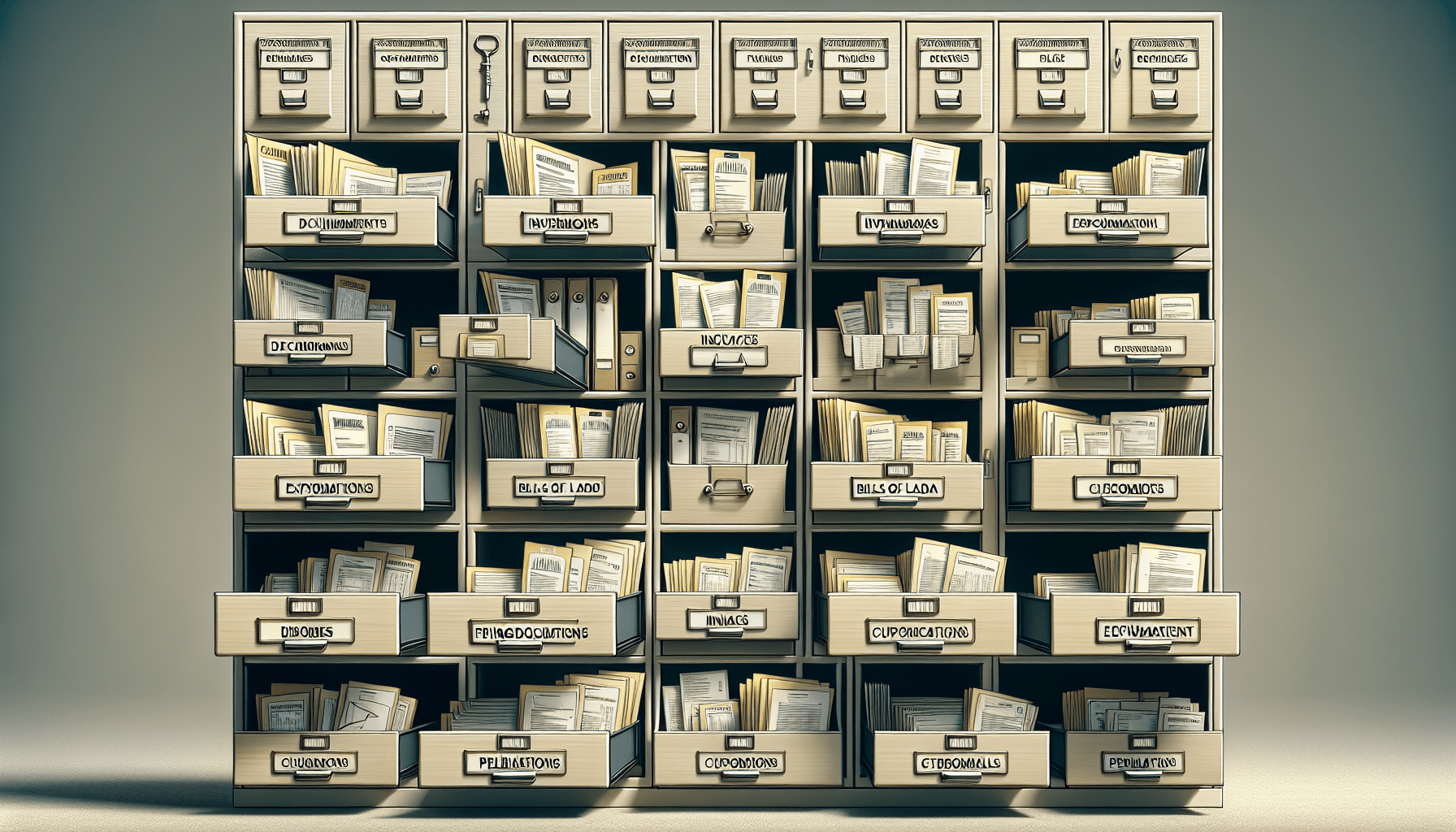
- Maintain records of all documentation related to your shipment, including invoices, packing lists, and bills of lading, to reference when completing your ISF filing.
- Work with an experienced customs broker or freight forwarder who can help you review and validate your documentation before submission to CBP.
By following these tips and ensuring your documentation is accurate and complete, you can minimize the risk of ISF filing penalties and ensure a smooth import process for your goods.
Consequences of Inaccurate Documentation
The consequences of providing inaccurate documentation for your ISF filing can be severe, including costly penalties, delays in the import process, and potential holds or seizures of your shipment by CBP. These consequences can impact your business’s bottom line, reputation, and ability to compete in the marketplace.
Additionally, repeated errors in your ISF filings can lead to increased scrutiny from CBP, making it more challenging to import goods into the United States in the future. By ensuring your documentation is accurate and complete, you can avoid these negative consequences and maintain a good relationship with CBP and other regulatory agencies.

Impact on Supply Chain Efficiency
Inaccurate documentation can also have a significant impact on the efficiency of your supply chain. Delays in customs clearance due to inaccurate ISF filings can result in longer lead times, increased costs, and disruptions in your supply chain operations.
By providing accurate documentation for your ISF filing, you can help streamline the customs clearance process, reduce the risk of delays, and ensure your goods arrive at their destination on time. This, in turn, can improve the efficiency of your supply chain and help you meet customer demand more effectively.
Working with Customs Brokers and Freight Forwarders
One way to ensure the accuracy of your ISF documentation is to work with experienced customs brokers and freight forwarders who are familiar with ISF filing requirements. These professionals can help you navigate the complexities of the import process, review and validate your documentation, and ensure compliance with CBP regulations.
Customs brokers and freight forwarders can also provide valuable guidance on how to improve your documentation practices, minimize errors in your ISF filings, and avoid penalties from CBP. By leveraging their expertise and experience, you can increase the accuracy of your ISF filings and maintain a smooth import process for your goods.
In conclusion, accurate documentation plays a vital role in preventing ISF filing penalties and ensuring a smooth import process for your goods. By providing complete and correct information in your ISF filings, you can avoid costly fines, delays, and disruptions in your supply chain operations.
Ensuring the accuracy of your documentation requires attention to detail, verification of information, and collaboration with experienced customs brokers and freight forwarders. By following these best practices and tips, you can minimize the risk of filing errors, comply with CBP regulations, and maintain a strong relationship with regulatory agencies.
