
Why Should I File ISF For Battery Grip
?Do you know why filing an Importer Security Filing (ISF) for a battery grip matters to your international shipment and customs compliance?
Why Should I File ISF For Battery Grip
You might think a battery grip is just an add-on to a camera, but for customs and security it can trigger specific filing requirements. This article shows you the full path from definitions to finish, so you can manage risk, avoid fines, and move your goods smoothly.

What ISF Means for You
ISF, or Importer Security Filing, is a U.S. Customs and Border Protection (CBP) requirement for ocean shipments arriving by vessel into the United States. You must submit certain data elements at least 24 hours before the cargo is loaded onto the vessel at the foreign port. Filing ISF creates a pre-arrival security profile and helps CBP assess risk.
Why a Battery Grip Is Not Just a Small Item
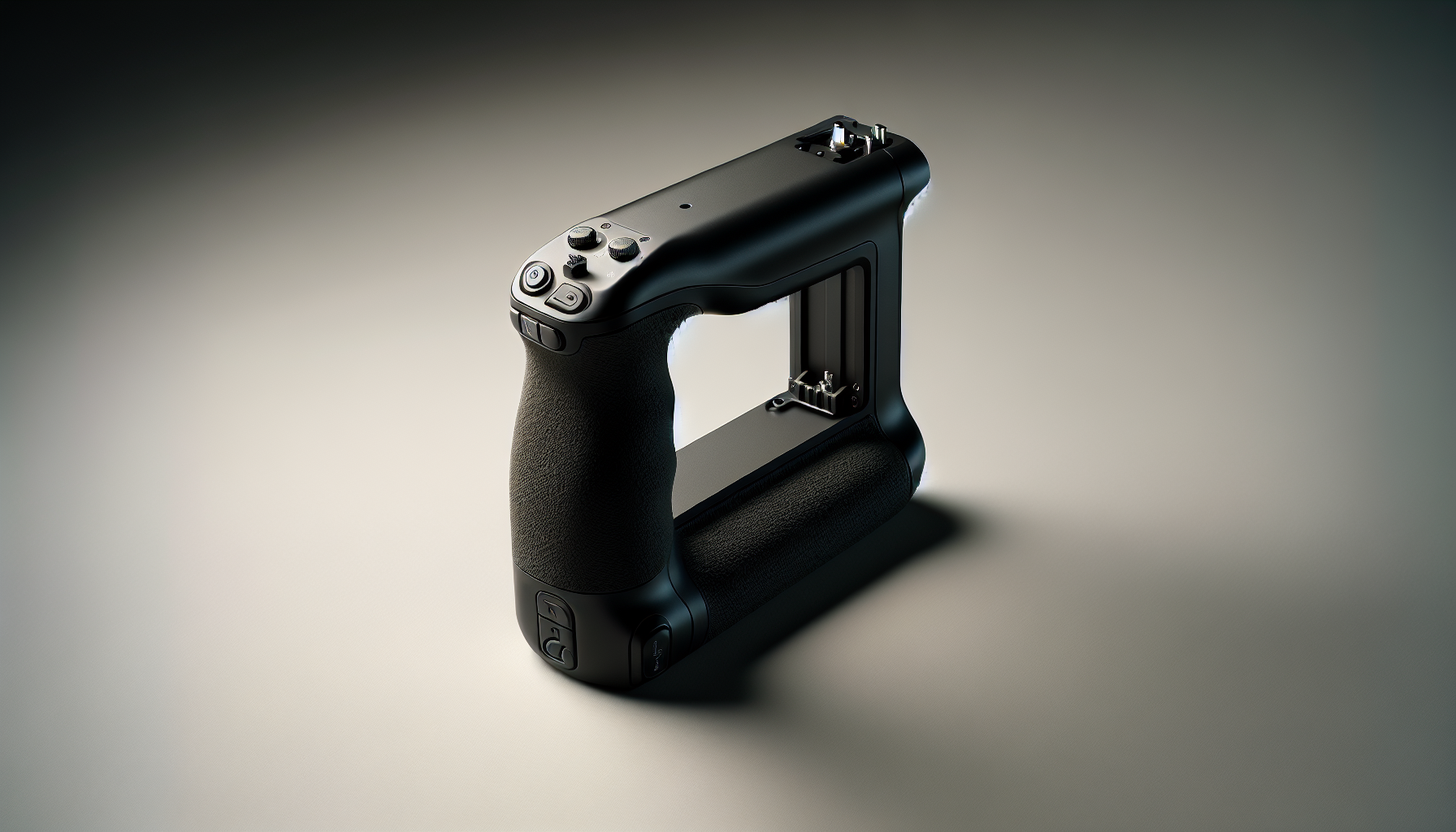
A battery grip often contains lithium batteries or other components that affect classification, handling, and security. You need to treat it like a distinct commodity when filing. If you combine grips with other goods under a generic description, you increase the risk of a rejected ISF or misclassification.
Expertise Depth: Regulatory Roots and Key Data Elements
You should understand the eight mandatory data elements (like seller, buyer, consignee, importer of record, manufacturer, ship-to party, country of origin, and HTSUS number) plus optional elements that can reduce scrutiny. Knowing how to capture the Harmonized Tariff Schedule (HTS) code and battery hazard classification is essential to avoid delays.
- Mandatory data elements: seller, buyer, importer of record number, consignee number, manufacturer name and address, ship-to name and address, country of origin, HTSUS number
- Helpful optional elements: battery chemistry, UN number, model number, full item description
User Journey Completion: From Quotation to Delivery
This is the practical sequence you’ll follow so nothing is missed:
- Receive commercial invoice and product specifications from supplier.
- Confirm battery type, watt-hours, and whether batteries are installed or shipped separately.
- Determine HTSUS code and country of origin.
- Prepare ISF data and appoint an ISF filer (you, your customs broker, or a third-party service).
- File ISF at least 24 hours before vessel load; fix any rejections immediately.
- Track shipment and be ready for queries from CBP or the carrier.
- Receive and clear cargo with customs at arrival.
Following these steps ensures you don’t get stuck at the port or face penalties.
Fresh Perspective Value: Treat ISF as a Risk Management Tool
Instead of a bureaucratic checkbox, think of ISF as pre-screening that protects your brand and supply chain. If your battery grips are incorrectly labeled, CBP could inspect shipments, impose fines, or even detain goods. By filing accurate ISF data, you reduce surprises and maintain a predictable logistics timeline.
Start-to-Finish Process, Including Edge Cases and Compliance Tips
You should plan for common complications and know how to handle them:
- Consolidated shipments: If your grips travel in a consolidated container with other suppliers’ goods, ensure each bill of lading and ISF data match the actual contents. Inaccurate consolidation info is a frequent trigger for enforcement.
- Split shipments: If items are split across containers or vessels, file separate ISFs for each bill of lading or movement.
- Batteries installed vs. packed with equipment: Declare whether batteries are installed in the grips or packaged separately. This affects transportation rules under IMDG/IATA and CBP scrutiny.
- Missing data from supplier: Build supplier checklists to capture manufacturer address, country of origin, and battery details before goods depart.
Compliance tips:
- File early and keep contact information current.
- Use precise product descriptions and HTS codes; avoid vague terms like “accessories.”
- Maintain documentary evidence (spec sheets, invoices) for CBP audits.
- Appoint a trusted filer with proven ISF turnaround times to reduce last-minute rejections.
Common Mistakes and How You Avoid Them
You tend to trip up in these areas unless you’re proactive:
- Submitting incomplete or estimated HTS codes — verify with a trade specialist.
- Forgetting to declare lithium battery specifics — get manufacturer confirmation.
- Relying on the carrier to file without confirming they have accurate data — always audit your carrier filings.
Penalties and Financial Impact
If you fail to file, file late, or submit inaccurate ISF data, CBP can impose liquidated damages up to a fixed penalty per violation, and carriers can deny loading. Beyond fines, you face inspection delays that increase demurrage and storage costs. By filing properly, you control these expenses.
Practical Checklist for Filing ISF for Battery Grips
Use this as a quick guide before goods leave the foreign port:
- Confirm HTSUS code for the battery grip.
- Verify battery chemistry and watt-hour rating.
- Gather manufacturer name and address.
- Confirm importer of record and consignee details.
- Provide accurate ship-to and container information.
- Select a reliable ISF filer and confirm filing timelines.
Final Thoughts: Why It’s Worth Your Attention
You want shipments to arrive on time and without costly surprises. Filing an accurate ISF for battery grips reduces risk of detention, ensures legal compliance, and protects your supply chain continuity. Treat ISF as a proactive control—one that saves time and money.
ISF Expedite – Trusted ISF Filing and Customs Support
If you keep these steps and checks in place, you’ll handle battery grips confidently and keep your cross-border operations humming.