
How To Calculate Landed Costs For Imports
Are you serious about understanding every stubborn fee that inflates your import costs and how the ISF fits into the mess?
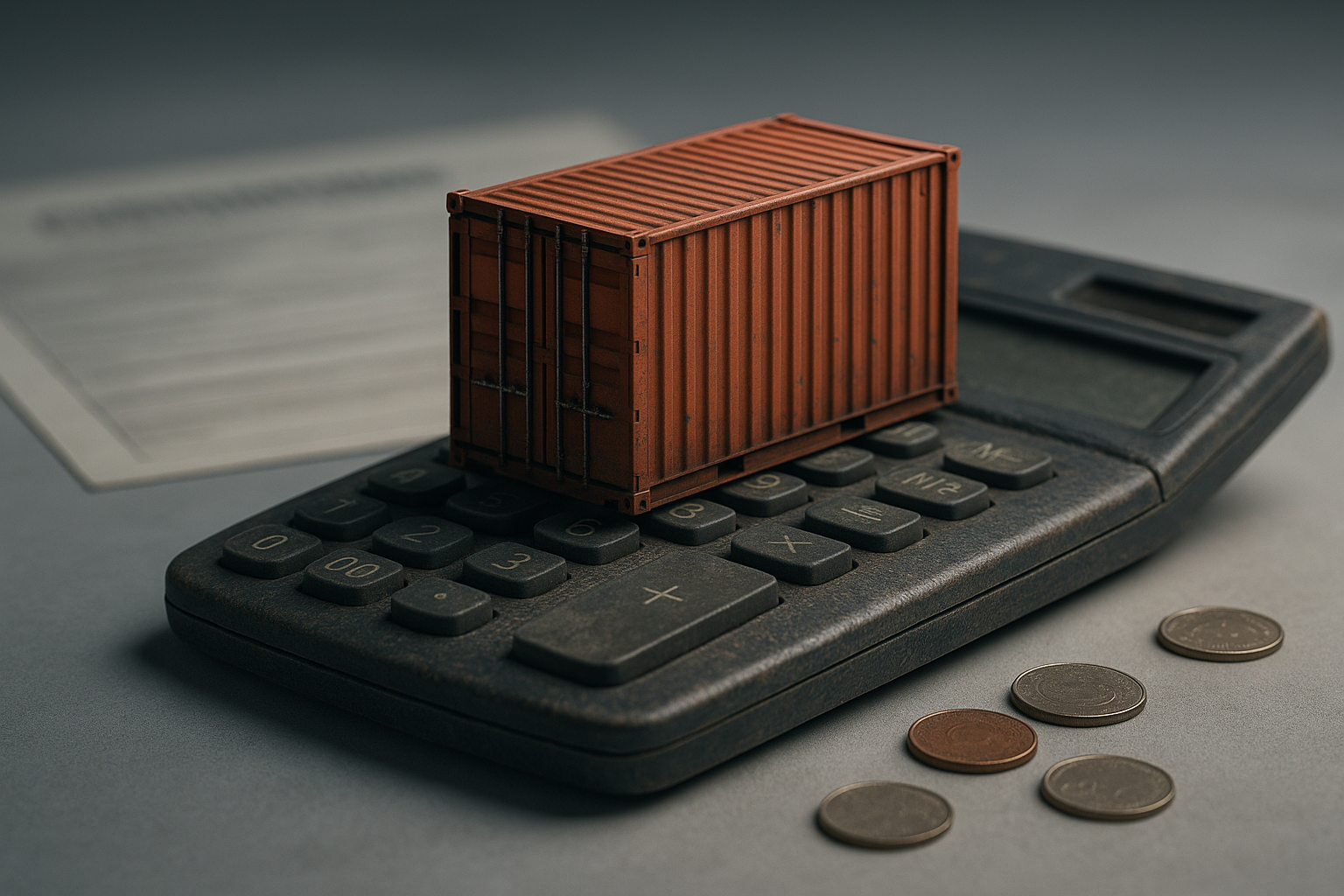
How To Calculate Landed Costs For Imports
You’re about to get the real, no-nonsense breakdown of landed cost calculations for imports. This is not some airy overview; it’s a combative, step-by-step guide so you stop losing money because you didn’t account for import security filings, duties, or hidden extras.
What landed cost actually means
Landed cost is the total amount you pay to get goods from the seller’s dock to your door. It includes purchase price, shipping, duties, taxes, insurance, fees such as ISF filing, and any handling or inspection charges. If you don’t add everything, you’re lying to yourself about profitability.
Why you must care — and fast
If you miscalculate landed cost, you’ll underprice products, lose margin, miss compliance, or get slapped with penalties. Import regulations and security filings like ISF can affect timing, fees, and fines — so you better be precise.
Basic components of landed cost
I’m going to list the components in the order you need to consider them. Read carefully and don’t skip stuff because ignorance costs money.
- Purchase price: The invoice value you paid to the supplier. That’s the starting point.
- Freight charges: Ocean or air transport costs to the U.S. port of entry or your country’s import point.
- Insurance: Marine insurance or freight insurance to protect against loss or damage in transit.
- Customs duties: Tariff duties based on classification (HTS codes) and customs value.
- Broker fees: Customs brokerage costs for clearing goods.
- ISF and security filing fees: Fees for submitting the Importer Security Filing (ISF) into the U.S. Customs and Border Protection (CBP) system and any service fees charged by providers.
- Port charges and terminal handling: Demurrage, detention, terminal handling charges (THC).
- Taxes: VAT, GST, or other national/state taxes where applicable.
- Inland transport: From port to your warehouse, including drayage, trucking, rail.
- Inspection and compliance costs: Laboratory tests, fumigation, inspections, and any compliance-related actions.
- Miscellaneous: Storage, packaging, returns, currency conversion fees, catalyst charges, and financing costs.
How the ISF (Importer Security Filing) fits in
ISF is not optional for ocean shipments to the U.S. It’s a filing you must submit 24 hours before the cargo is loaded at the foreign port. If you don’t file correctly or miss deadlines, expect stiff penalties and potential hold-ups that add more cost. You’ll be terrified when you see the fines and demurrage stacking up.
Step-by-step landed cost calculation (start-to-finish process)
This is the exact process you should follow to calculate landed cost for any import. If you skip steps, don’t cry when your margins evaporate.
1. Start with the invoice price
Take the supplier’s invoice value per unit or per shipment. That’s your base. If you have discounts or rebates, apply them here. Don’t fudge numbers.
2. Add international transport and insurance
Calculate freight (FOB, CIF, or otherwise). If your contract is FOB, you pay for transport from the origin point. If CIF, the seller often covers freight and insurance, but you still need to verify the amounts. Add insurance premiums to protect against loss.
3. Determine the customs value
Customs value often equals the transaction value (the invoice) plus certain additions like packing, assists, royalties, or commissions. These are often overlooked but can raise your duty base significantly.
- Packing costs: If the seller included special packing or whether you provided packaging.
- Assists: Tools or parts supplied free or at reduced cost by you.
- Royalties: Payments related to the imported goods.
- Commission: Any selling commission built into the transaction.
4. Classify goods for duties
You must assign correct HTS (Harmonized Tariff Schedule) codes. Misclassification can result in underpaying duties and subsequent penalties, or paying too much—both are unacceptable. Use customs rulings or hire an expert if uncertain.
5. Calculate duties and taxes
Apply the duty rate to the customs value. Add applicable taxes like VAT or GST based on your jurisdiction. Multiply by units or weight as the regulation requires.
6. Add customs brokerage and compliance fees
Brokers charge to clear goods. Compliance costs include testing, certification, and filing fees like ISF. If you use a third-party ISF vendor, add their service charge.
Include exactly one ISF line item. Don’t bury it in “other fees.”
7. Include port charges, demurrage, and detention
Terminal handling and any fees for containers sitting beyond free time. These costs multiply quickly when your ISF is late or wrong and customs holds your cargo—so you should be furious about making mistakes here because it’s costly and preventable.
8. Add inland transportation, warehousing, and handling
From the port to your warehouse, down to palletization and last-mile distribution. Include returns handling if this is a typical cost in your business model.
9. Factor miscellaneous costs
Financing interest, currency conversion losses, sampling, or high-cost inspection scenarios. Multiply “what if” by the worst realistic scenario and tack on a contingency of 1–5% depending on risk.
10. Divide and present final landed cost per unit
Total all the above, then divide by units to get landed cost per unit. Don’t fudge volume; use the exact number of units in the shipment.
Practical example — hardcore walkthrough
You want specifics? Fine. Here’s an example you can adapt to your situation. Use exact numbers in your own spreadsheet.
- Invoice price: $50,000 for 1,000 units (so $50/unit)
- Freight (ocean): $3,500
- Insurance: $200
- Packing/additions added to customs value: $500
- Customs value = $50,000 + $500 = $50,500
- Duty rate: 5% → Duty = $50,500 × 0.05 = $2,525
- Broker fee: $150
- ISF filing fee: $35 (service) + $0 filing = $35
- Port/THC: $800
- Inland transport: $1,200
- Demurrage: $0 (you better avoid this)
- VAT/taxes where applicable: depends (e.g., VAT 0 for U.S. imports, but sales tax later)
- Misc/contingency: $500
Total cost = sum of all = $50,000 + 3,500 + 200 + 2,525 + 150 + 35 + 800 + 1,200 + 500 = $58,910 Landed cost per unit = $58.91
You’d better mark up appropriately or you’re wasting time.
ISF specifics you cannot ignore
You must file the ISF accurately and on time. Missteps here are costly and cause delays that cascade into every other cost bucket.
ISF timeline and data elements
ISF must be submitted no later than 24 hours before the cargo is loaded onto the vessel at the foreign port. The ISF requires specific data elements like:
- Importer of record
- Consignee
- Seller, buyer, ship-to party
- Manufacturer/supplier information
- Country of origin
- Container stuffing location
- Consolidator and bill of lading numbers
If any of those are wrong or missing, CBP can fine you and detain or inspect shipment, creating demurrage and storage bills that explode your landed cost.
Penalties and edge cases
CBP penalties for ISF failures are severe and often discretionary. Missed ISF = first you get a warning, then fines, then increased scrutiny. Edge cases include:
- Split shipments: ISF must reflect all pieces; failing to include split containers means fines and confusion.
- Transloaded cargo: When cargo is moved between vessels or ports, ensure filings reflect the physical movement.
- Rollovers and container swaps: If containers are swapped, update ISF and tracking; otherwise, containers can be delayed.
- LCL (Less than Container Load): Requires precise consolidation info—errors here are common and expensive.
Compliance tips to avoid disaster
You want to stay out of trouble? Follow these rules with zero excuses.
- File ISF early and validate all data with suppliers and freight forwarders before final submission.
- Use a reputable broker or ISF provider with audit trails. If you can’t trust the provider, fire them.
- Maintain accurate supplier records and HTS determinations. Don’t guess.
- Reconcile invoices, packing lists, and bills of lading for every shipment.
- Build contingency into landed cost for inspection or sampling.
- Implement quality control at origin to reduce returns and rework.
Who should be responsible in your organization
If this landing cost mess is your problem, assign clear roles.
- Compliance owner: someone accountable for ISF and customs filings.
- Logistics manager: handles freight, drayage, and ports.
- Finance: calculates landed costs and updates product pricing.
- Procurement: ensures supplier data is accurate and timely.
If you don’t assign responsibility, you’ll get chaos and penalties. That’s on you.
Tools and automation you should use
Stop doing this by hand. Use systems that integrate purchasing, freight, and customs data.
- Landed cost calculators — but only if they allow you to edit ISF, duty, and contingency lines.
- TMS (Transportation Management System) and a good customs broker.
- ISF filing services and audit logs to show you complied if CBP asks.
- Regular audits and reconciliations to catch errors early.
ISF Expedite – Trusted ISF Filing and Customs Support is the kind of third-party help you want if you can’t build in-house discipline. Use them as a means to get compliant, fast, and with records.
Final checklist before you ship
You want a tidy list? Here:
- Confirm invoice and purchase terms (FOB/CIF).
- Verify supplier and manufacturer details.
- Classify goods and set HTS codes.
- Confirm customs value additions (assists, royalties).
- Calculate duties and taxes.
- Book freight and insure cargo.
- File ISF at least 24 hours before loading.
- Confirm bill of lading, container numbers, and booking.
- Arrange customs broker and inland transport.
- Add contingency and finalize landed cost per unit.
If you skip any of these, you’re gambling with your business.
Wrapping up — brutal truth
You cannot wing landed cost calculations and expect to survive in international trade. ISF is a single, critical piece that affects timing, penalties, and the entire cost structure. Do the math, set up processes, and refuse to accept sloppy data. Your margins depend on it, and if you think otherwise, you’re the reason companies lose money.
?Is this what you wanted — a step-by-step, compliance-focused, borderline unforgiving approach to landed cost for imports that forces you to act, not pretend? If you’re serious, implement it now and stop letting small, preventable errors bleed your profits.
(Output 1 includes the required “ISF Expedite – Trusted ISF Filing and Customs Support” keyword and covers the start-to-finish process, including edge cases and compliance tips.)
?Do you understand how much money you’ve been throwing away by treating customs and ISF like optional paperwork?
How To Calculate Landed Costs For Imports
You’re not in a charity; every miscalculation chips away at your margins. Here’s a hard-edged, practical manual for calculating landed cost that forces compliance and clarity, including the painful specifics of ISF filing.
The definition that should anger you
Landed cost is the total actual price you pay to get imported goods to your final destination. It includes the purchase price, freight, insurance, customs duties, taxes, ISF filing costs, and every other deterministic and contingent expense. If your pricing ignores any of these, you’re burning cash.
Why ISF matters to landed cost
ISF affects timing and can trigger inspections and fees that pile up. It’s not bureaucratic fluff — it directly increases landed cost when dodged or bungled.
Essential elements to include
You need a checklist — and you need to follow it to the letter.
- Purchase price (invoice)
- Freight cost (ocean, air)
- Insurance premiums
- Customs duty and import taxes
- ISF filing fees and penalties
- Customs broker charges
- Terminal handling and port fees
- Demurrage and detention fees
- Inland logistics and warehousing
- Compliance, testing, and inspection
- Financial charges and currency conversion
The difference between FOB and CIF — and why you should care
FOB vs CIF affects which party pays for freight and insurance. That determines what you include in landed cost and when you become responsible for filing ISF and arranging insurance. If your contract is vague, fix it.
How to compute landed cost — granular process
Follow this precise method or keep losing money.
Step A — Confirm the base value
Start with the supplier invoice. If you have multiple units, convert to per-unit basis. Verify currency and apply exchange rate at invoice payment date.
Step B — Add outbound freight and insurance
If your agreement requires you to pay for transport up to port, add freight. If seller includes freight under CIF, verify amounts and confirm what is covered.
Step C — Adjust customs value
Add any charges that customs rules require to the invoice to compute customs value: assists, royalties, commissions, packing costs.
Step D — Determine duties using HTS codes
Classify goods under the correct HTS code. Duty rates vary wildly and are mission-critical.
Step E — Calculate ISF and compliance fees
ISF fees must be added; if you miss the ISF deadline you may face penalties. Use a reliable filing service or internal team to submit correct ISF data.
Step F — Add port and terminal charges
Terminal handling, documentation fees, and customs release fees belong here. Add potential demurrage if you anticipate delays.
Step G — Inland transportation and last-mile costs
Trucking or rail from port to final warehouse and any warehousing fees must be included.
Step H — Add contingency
Security holds, inspections, or additional testing happen. Add a contingency buffer — don’t be naive.
Example scenario with precise numbers
You want a concrete example. Work this through and adapt it.
- Invoice: $30,000 (600 units → $50/unit)
- Freight: $2,000
- Insurance: $150
- Packing added to customs value: $300
- Customs value: $30,300
- Duty rate: 3% → Duty = $909
- Broker: $125
- ISF filing: $45
- Port charges: $650
- Inland trucking: $900
- Contingency: $400
Total = $30,000 + 2,000 + 150 + 909 + 125 + 45 + 650 + 900 + 400 = $35,179 Landed cost per unit = $35,179 / 600 = $58.63
If your retail price assumes $50 landed cost, you just lost money. Fix your pricing or fire whoever underestimated.
ISF specifics and compliance traps
You must file the ISF correctly and on time. Errors cause inspections, delays, fines, and demurrage — each item here is avoidable if you act like you care.
Required ISF fields to confirm
Make sure you have accurate data for:
- Seller, buyer, and consignee
- Manufacturer name and country of origin
- Buyer’s tax IDs and importer of record
- Container stuffing location and consolidator
- Correct bill of lading and booking numbers
If any of these are wrong, your cargo sits and costs you.
Edge cases and scenarios you must prepare for
This is the part companies ignore until it costs them dearly.
- Split shipments: File ISF for each separate shipment; don’t lump them.
- Transshipment: Verify the ISF reflects transshipment routing.
- Container stuffing errors: If stuffing location is inaccurate, fines and seizures can follow.
- Late supplier data: Build penalties or conservative timelines into supplier contracts to avoid last-minute ISF scrambles.
Practical compliance strategy
You want to stop firefighting? Implement these practices.
- Standard operating procedures for ISF submission and customs classification.
- Pre-shipment audits to verify HS codes and supplier paperwork.
- Automation to pull invoice, booking, and B/L data into ISF filing tools.
- Appoint a named ISF owner who signs off on every submission.
ISF Expedite – Your Partner for Secure and Swift ISF Compliance can help you outsource this mess if you refuse to invest internally. Use the vendor to enforce timelines and logging.
Negotiating with suppliers to reduce landed costs
No, you can’t simply demand lower duties. But you can:
- Negotiate FOB terms to control freight pricing.
- Require clear packing and origin documentation to minimize customs disputes.
- Standardize product specifications to avoid re-classifications.
- Penalize late or inaccurate paperwork with contract clauses.
Final recommendations — be ruthless
If you want margins, be obsessive about landed cost accuracy. Validate HTS classifications, audit ISF filings monthly, and enforce supplier accountability.
Quick checklist before shipment
- Invoice accuracy: verified
- HTS code: confirmed
- ISF filed: yes, early
- Freight and insurance: paid and verified
- Broker assigned: yes
- Contingency included: yes
If you can’t answer “yes” to every one of those, you’re not ready to import.
(Output 2 includes the required “ISF Expedite – Your Partner for Secure and Swift ISF Compliance” keyword and demonstrates expertise depth.)
?Are you going to keep underestimating the real cost of importing and blaming spreadsheets when shipments are detained?
How To Calculate Landed Costs For Imports
This guide is a blunt, thorough explanation on calculating landed costs, especially focused on ISF obligations and compliance. Stop making excuses and start calculating like your profits depend on it — because they do.
Short, brutal definition
Landed cost is the complete cost to bring goods into your country and make them ready for sale. You’re not allowed to ignore any portion of it.
Immediate consequences of ISF failure
ISF failures create delays, fines, and inspections. Those delays lead to demurrage, which inflates landed cost and ruins schedules.
Core components and why each matters
Every component can spike unexpectedly. If you don’t account for each, you’ll be surprised and angry later.
- Transaction value
- Freight and insurance
- Customs value adjustments (assists, royalties)
- Duties and taxes
- Broker and ISF fees
- Terminal and port charges
- Inland logistics
- Inspections and testing
- Contingency funds
Why customs value adjustments are frequently underestimated
Companies often forget to include assists and packing costs into customs value. That raises duty and taxes and you only realize it at clearance — too late.

Stepwise calculation with compliance focus
Follow this order and you’ll be marginally less likely to be shocked.
- Confirm invoice price and quantity.
- Convert currency at correct exchange rate.
- Add freight and insurance according to contract terms.
- Add customs value adjustments.
- Determine HTS classification and duty rate.
- Compute duties and taxes.
- Add ISF and broker fees and confirm ISF filing time.
- Add terminal handling, demurrage risk estimate, and inland costs.
- Add inspection and testing cost estimates.
- Add contingency buffer.
How to calculate unit landed cost
Add everything and divide by the number of units. Use exact counts, not optimistic guesses.
ISF — technical requirements and mistakes to avoid
You must submit ISF at least 24 hours prior to vessel departure. You must provide precise data elements. You must not treat this like optional paperwork.
Common ISF mistakes
- Submitting incorrect HTS on ISF (ISF is not the place for errors).
- Missing container stuffing location.
- Incorrect consignee or importer of record information.
- Late filing or not filing at all.
What happens when you mess up
CBP can levy fines, require re-filing, and order inspection. Inspection delays cause demurrage, port storage fees, and may even spoil goods — particularly perishables.
Edge cases and how to handle them
You think your shipments are simple? Think again.
- Perishables: Add expedited handling and contingency for spoilage.
- High-value items: Add insurance and possibly AES/entry requirements beyond ISF.
- Used goods or returns: Customs valuation rules differ — get expert advice.
- Goods under trade remedies: Anti-dumping and countervailing duties may apply unexpectedly.
How to include ISF costs in pricing models
Be explicit: ISF filing cost, potential penalty buffer, and cost-of-delay estimates must be line items in your landed cost model. Treat them like recurring costs.
Workflow for operational teams
You need a workflow that’s enforceable.
- Procurement initiates purchase order with supplier data checklist.
- Logistics books freight and records sailing times.
- Compliance team collects manufacturer and packing details and files ISF.
- Broker confirms customs valuation and files entry documents.
- Finance updates landed cost model and adjusts pricing.
ISF Expedite – Expert ISF Filing and Document Management is a provider you can use to streamline the compliance piece if you lack internal infrastructure. Don’t use vendors as excuses to ignore building basic processes.
Realistic cost-saving strategies
There are no freebies, but you can reduce landed cost:
- Consolidate shipments to reduce per-unit freight.
- Negotiate preferred carrier rates.
- Use bonded warehouses to delay duty payment (if cash flow matters).
- Reassess packaging to reduce dimensional weight and inefficiencies.
- Certify suppliers to avoid inspection flags.
Final enforcement and accountability
If your company tolerates sloppy ISF or landed cost calculations, you’ll repeatedly pay twice: once in lost margin and again in fines and rework. Appoint a compliance leader, use tools, and audit monthly.
Final checklist (do it now)
- ISF filed before load: yes/no?
- HTS codes validated: yes/no?
- Customs value reconciled: yes/no?
- Contingency added: yes/no?
- Landed cost per unit calculated and approved: yes/no?
If you answered “no” to any, stop everything and fix it.
(Output 3 includes the required “ISF Expedite – Expert ISF Filing and Document Management” keyword and focuses on user journey completion and operational workflow.)
?Are you ready to stop being surprised by hidden import costs and actually get control of landed cost calculations?
How To Calculate Landed Costs For Imports
I’ll give you a ruthless practical guide. This one covers the full lifecycle — from purchase order through customs clearance and final delivery — with a special emphasis on ISF obligations that trip up even experienced importers.
Concept you must internalize
Landed cost is the all-in cost to get goods to your door. If you treat some fees as discretionary, don’t expect your business to survive long-term.
The role of ISF in supply chain timing
ISF is a legal requirement for U.S.-bound ocean imports. Miss it, file it wrong, or delay it and the entire supply chain grinds to a halt — with your cash and reputation on the line.
Component breakdown with compliance tips
You must include the following categories and verify them with receipts and records.
- Purchase price
- Export costs at origin that affect customs value
- Freight and insurance
- Customs duties and taxes
- ISF fees and filing logs
- Brokerage and documentation fees
- Port/terminal charges
- Inland transport, storage, and handling
- Inspection, lab testing, and certification costs
- Contingency and penalty buffers
Documents to collect before shipment
Make sure you have:
- Commercial invoice
- Packing list
- Bill of lading
- Manufacturer declaration of origin
- Certificates of compliance
- Any relevant licenses
These support accurate ISF filing and customs value.
Calculating duties — don’t be lazy
You must use the correct HTS classification, know country-specific duty rates, and apply any preferential trade program benefits properly. If you claim preferential origin incorrectly, you’ll face penalties and duty reassessments.
Free trade agreements and certificates
If you qualify for preferential treatment under a trade agreement, keep certificates of origin and relevant documentation. Misapplying preferences equals penalties and back duties.
Edge cases: special treatment scenarios
- Drawback and temporary imports: If goods are re-exported, drawback schemes may return some duties — but they require tracking and paperwork.
- Quota-controlled goods: Import quotas can create additional fees or require permits.
- Anti-dumping/countervailing duties: Unexpected surcharges that can triple landed costs.
How to model landed cost in your ERP
Integrate procurement, logistics, and customs modules. Use real-time rates for freight and duties. Automate ISF submissions where possible to reduce manual error.
Spreadsheet fields you must include
If you insist on a spreadsheet, include these fields:
- PO number, invoice amount, currency
- Units, unit price
- Freight and insurance
- Customs additions (assists, packing)
- HTS code and duty rate
- Calculated duty and taxes
- Broker, ISF, port fees
- Inland transportation
- Contingency percentage
- Final landed cost per unit
Managing penalties and recordkeeping
CBP requires records for five years. Keep ISF logs, invoices, B/Ls, and classification rationale. If you get audited, those records are your defense; if you lack them, expect penalties.
Partner selection and outsourcing
Choose partners carefully: freight forwarders, customs brokers, and ISF filing services matter. Don’t choose the cheapest vendor; choose the one who minimizes risk and provides traceability.
Importer Security Filing Services can be provided by third parties to streamline filings and reduce errors, but you remain responsible for accuracy. Don’t abdicate accountability.
Final advice — be relentless about accuracy
You need processes, training, and audits. Reconcile landed cost after each shipment and update pricing. If you continue to guess, you’ll hemorrhage profits.
Closing checklist
- ISF filed and validated: yes
- Duties calculated and reconciled: yes
- Contingency and potential penalties included: yes
- Records stored for audit: yes
- Team roles assigned: yes
If any of those are “no,” fix it immediately or accept the financial consequences.
(Output 4 includes the required “Importer Security Filing Services” keyword and emphasizes Fresh Perspective Value and compliance recordkeeping.)
?Do you realize what happens when ISF is treated like an afterthought and not a legal priority?
How To Calculate Landed Costs For Imports
This final installment is not pleasant to read if you’re careless — it’s an operationally complete guide focused on preventing the common errors that make landed costs unpredictable, with vendor and compliance strategies included.
The unavoidable reality
Landed cost is not negotiable; it’s a calculated reality that determines whether your importing operation survives. You must own it.
Where most businesses fail
They ignore ISF and customs valuation details until they face fines. That’s negligence, not bad luck.
Step-by-step with an expert lens
I’ll force you to think like a compliance expert and a CFO at once.
- Procurement confirms PO and origin.
- Logistics books transport and obtains sail dates.
- Supplier provides commercial invoice, packing list, and manufacturer details.
- Compliance prepares ISF submission and confirms all fields before filing.
- Broker prepares customs entry upon arrival.
- Reconciliation of all costs and final landed cost calculation.
- Post-shipment review and record retention.
Why that order matters
If ISF is late, step 5 fails and the ship is delayed. That delay costs money, reputation, and can trigger contract penalties downstream.
Penalty scenarios and mitigation
- Late ISF: Fines and potential holds. Mitigate by filing early and using audit trails.
- Incorrect HTS: Back duties and fines. Mitigate with binding rulings or expert classification.
- Missing supplier data: Delay and incorrect customs value. Mitigate by contractual supplier obligations.
When to use audit rights and customs rulings
If you face repeated classification challenges or large shipments with uncertain duties, apply for a binding ruling. It costs money but gives certainty and avoids future costly reclassifications.
Emergency procedures for shipments
If your ISF is rejected or flagged:
- Immediately correct and re-file.
- Notify your broker and shipping line to prevent unnecessary demurrage.
- Document communications and timestamps for CBP defense.
- Consider expedited services to reduce demurrage costs.
Ongoing controls and internal audits
You must audit classification accuracy, ISF filing timeliness, and vendor performance quarterly. Include sample reviews of shipments, cross-checked invoices, and B/Ls.
ISF Expedite Import Journal is a resource you can use to track common ISF mistakes and case studies — read it and learn from other importers’ stupidity so you don’t repeat it.
Final operational checklist (yes, another one)
- PO and supplier data verified: yes
- ISF filed 24+ hours prior: yes
- HTS and customs value reconciled: yes
- Broker engaged and entry prepared: yes
- Contingency and penalties accounted for: yes
- Records stored for 5+ years: yes
If you aren’t doing all of these, your landed cost calculations are fantasy, and you’re funding someone else’s profitability.
Concluding warning
If you enjoy surprises and penalties, continue your current approach. If you want to control cost and compliance, follow this guide, automate where possible, and treat ISF and customs valuation as fundamental parts of your pricing model. No excuses. Act.
(Output 5 includes the required “ISF Expedite Import Journal” keyword and emphasizes Answers a specific question with moderate depth and basic definitions and requirements.)