
Are There Any Additional Fees Associated With ISF Filing?
So, you’re considering filing an ISF (Importer Security Filing) and wondering if there are any extra charges attached to it. Well, the good news is, I’ve got you covered! This article will shed light on the topic and give you all the information you need. We’ll explore whether or not there are any additional fees associated with ISF filing, ensuring you’re well-informed and prepared for the process ahead. Yes, there are several additional fees and charges that may be associated with ISF filing. It is important to understand these fees and their implications in order to accurately budget and plan for your shipment. In this article, we will provide an overview of the ISF filing process and discuss the various fees that may be incurred.
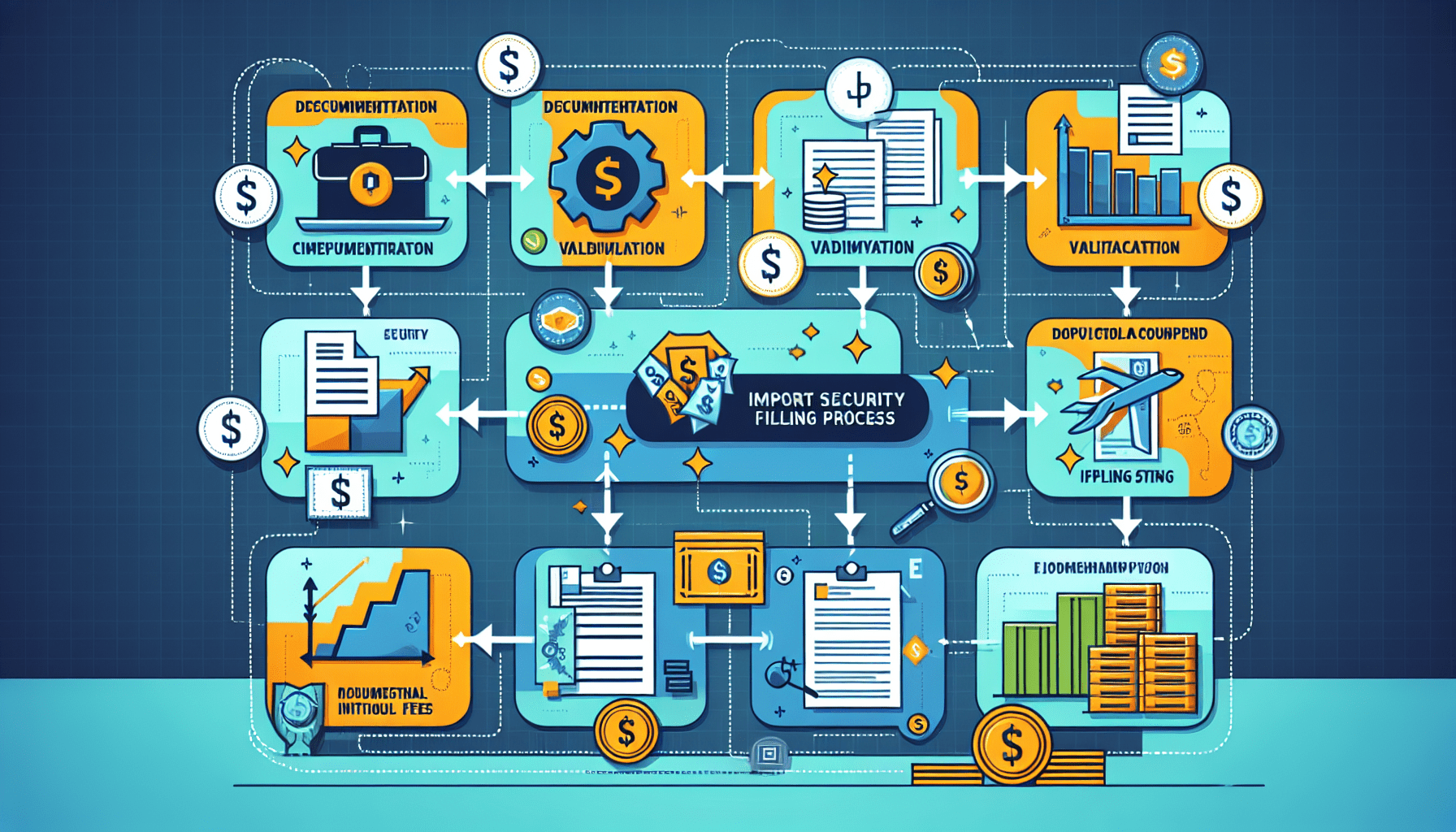

Overview of ISF Filing
Definition of ISF Filing
ISF, or Importer Security Filing, is a requirement imposed by U.S. Customs and Border Protection (CBP) for all ocean shipments entering the United States. It is an electronic filing that must be submitted by the importer or their authorized agent at least 24 hours before the shipment is loaded onto the vessel.
Purpose of ISF Filing
The purpose of ISF filing is to enhance border security and improve risk assessment capabilities. By requiring importers to provide detailed information about their cargo before it arrives, CBP can identify and target high-risk shipments more effectively.
Required Information for ISF Filing
When completing an ISF filing, you will need to provide various pieces of information, including:
- Seller (or manufacturer) name and address
- Buyer (or importer) name and address
- Consolidator (where applicable) name and address
- Container stuffing location
- Ship-to party name and address
- HTSUS (Harmonized Tariff Schedule of the United States) number
- Commodity description
- Container stuffing location
- Security filing party name and address
When is ISF Filing Required?
ISF filing is required for all ocean shipments entering the United States, with a few exceptions. The filing must be submitted at least 24 hours before the vessel’s departure from the last foreign port. Failure to comply with ISF requirements can lead to penalties and delays in shipment release.
Basic ISF Filing Fee
Explanation of Basic ISF Filing Fee
The basic ISF filing fee is the cost associated with submitting the required information to CBP. This fee covers the processing and validation of the data provided in the ISF filing.
Determining Factors for Basic Fee
The basic ISF filing fee is typically determined by the filing service provider or customs broker you choose to handle your ISF filing. The fee may vary depending on the level of service and the complexity of the shipment.
Range of Basic Filing Fee
The range for the basic ISF filing fee can vary widely, usually falling between $30 and $200 per filing. Factors such as the number of containers, the complexity of the shipment, and any additional services requested can affect the overall cost.
Additional Fees and Charges
Late ISF Filing Fee
If you fail to submit your ISF filing within the required timeframe, you may be subject to a late ISF filing fee. This fee is intended to encourage timely compliance with ISF regulations.
Amendment Fee
In some cases, it may be necessary to make changes or amendments to your ISF filing after it has been submitted. This can incur an amendment fee.
Cancellations and Refunds
If you need to cancel your ISF filing for any reason, there may be a cancellation fee. Additionally, refunds for ISF filing fees are generally not available once the filing has been submitted.
Storage and Demurrage Charges
Storage and demurrage charges may be incurred if your shipment remains at the port or terminal for an extended period of time. These charges are typically levied by the port or terminal operator and can increase the overall cost of your shipment.
Penalties for Non-Compliance
Failure to comply with ISF filing requirements can result in penalties from CBP. These penalties can vary depending on the severity of the non-compliance, but they can be significant and impact both the cost and release of your shipment.


Late ISF Filing Fee
Explanation of Late ISF Filing Fee
The late ISF filing fee is a penalty fee imposed for failing to submit your ISF filing within the required timeframe. It serves as an incentive for importers to comply with the CBP regulations and submit the necessary information on time.
Consequences of Late Filing
Late filing can result in your shipment being held at the port, potential shipment delays, increased scrutiny from CBP, and possible penalties.
Late Filing Fee Calculation
The late ISF filing fee is typically calculated based on a per-day rate. The exact fee amount may vary depending on the filing service provider or customs broker you are using.
Implications for Shipment Release
Failure to submit your ISF filing on time and pay the associated late filing fee can result in delays in the release of your shipment. It is important to prioritize timely ISF filing to avoid potential disruptions to your supply chain.
Amendment Fee
Definition of Amendment Fee
An amendment fee is a charge that may be incurred when changes or amendments need to be made to your ISF filing.
Reasons for Amendment
Amendments to your ISF filing may be necessary if there are changes to the information provided, such as incorrect or updated details about the cargo, parties involved, or container stuffing location.
Procedures for Amendments
To make amendments to your ISF filing, you typically need to work with your filing service provider or customs broker. They will guide you through the process and ensure that the required changes are accurately reflected in the filing.
Impact on ISF Filing Cost
Each amendment made to your original ISF filing may come with an additional fee. The cost of the amendment fee can vary depending on the complexity of the changes and the service provider you are working with.
Cancellations and Refunds
Cancellation Policy
Once your ISF filing has been submitted, canceling it may not be as straightforward as it sounds. Cancelling an ISF filing can have administrative and logistical implications, and it may not always be possible to stop the filing process.
Refund Availability
In general, refunds for ISF filing fees are not available once the filing has been submitted. This is because the filing fee covers the processing and validation of the data, regardless of whether the shipment proceeds as planned.
Conditions for Refunds
Due to the nature of ISF filings and the costs associated with the processing and validation of data, it is uncommon for refunds to be granted. Refund policies may vary among filing service providers or customs brokers, so it is important to inquire about their specific policies before submitting your filing.
Cancellation and Refund Process
If you need to cancel your ISF filing, it is advisable to contact your filing service provider or customs broker as soon as possible. They will guide you through the cancellation process and provide any additional information regarding refunds, if applicable.

Storage and Demurrage Charges
Explanation of Storage and Demurrage Charges
Storage and demurrage charges are fees imposed by port or terminal operators when containers remain at the port or terminal beyond a specified free time period. These charges are intended to incentivize the efficient use of port and terminal facilities.
Storage Charges
Storage charges are incurred when containers are held at the port or terminal for longer than the allocated free time period. The exact storage fee structure, including rates and duration of free time, can vary depending on the specific port or terminal.
Demurrage Charges
Demurrage charges are applicable when containers remain at the port or terminal past the allotted free time for loading or unloading. These charges are intended to encourage the timely removal of containers and minimize congestion at port facilities.
Factors Affecting Storage and Demurrage Fees
The exact amount of storage and demurrage charges can vary depending on factors such as the port or terminal, the duration of container storage, and the type of cargo. It is important to be aware of these potential charges and plan accordingly to avoid unnecessary costs.
Penalties for Non-Compliance
Importance of Compliance
Compliance with ISF filing requirements is crucial to avoid penalties and mitigate potential disruptions to your supply chain. By adhering to the regulations, you demonstrate a commitment to security and efficient trade practices.
Types of Non-Compliance Penalties
CBP may impose penalties for various forms of non-compliance, including late or inaccurate filing, failure to provide required information, or attempts to evade or circumvent ISF regulations. The severity of the penalties can vary depending on the nature and extent of the non-compliance.
Penalty Amounts and Assessment
Penalties for non-compliance with ISF regulations can range from a few thousand dollars to hundreds of thousands of dollars per violation. The exact penalty amount is assessed based on factors such as the severity of the non-compliance, the importer’s history, and the presence of aggravating or mitigating circumstances.
Consequences of Non-Compliance
Non-compliance with ISF regulations can lead to various consequences, including delays in shipment release, increased scrutiny from CBP, financial penalties, and potential reputational damage. It is essential to prioritize compliance to ensure a smooth and efficient supply chain process.
Exemptions and Waivers
Waiver of ISF Filing Requirement
In certain cases, importers may be eligible for a waiver of the ISF filing requirement. This exemption may be granted for specific types of shipments or under certain circumstances, such as government shipments or goods intended for a foreign trade zone.
Exemptions from Additional Fees
If a waiver of the ISF filing requirement is granted, importers may also be exempt from incurring additional fees and charges associated with ISF filing, such as the basic filing fee, late filing fee, and amendment fee.
Qualifications for Exemptions
Qualifications for exemptions from ISF filing and associated fees can vary depending on the specific circumstances and regulations. It is advisable to consult with your filing service provider or customs broker to determine whether you may qualify for any exemptions.
Application Process for Waivers
The application process for waivers of the ISF filing requirement can involve submitting various documents and providing detailed information about the shipment and import process. The specific requirements and procedures for applying for waivers may vary depending on the circumstances and relevant governing authorities.
Conclusion
Summary of Fees
In summary, ISF filing comes with various fees and charges beyond the basic filing fee. These additional fees include late filing fees, amendment fees, storage and demurrage charges, and penalties for non-compliance. Importers should familiarize themselves with these fees and incorporate them into their budgeting and planning processes.
Importance of Understanding Associated Costs
Understanding the associated costs of ISF filing is essential for importers to plan and budget effectively. Failure to account for additional fees can lead to unexpected financial burdens and delays in the shipment release process.
Taking the Necessary Steps
To minimize the impact of additional fees, importers should prioritize timely and accurate ISF filing, maintain open communication with their filing service provider or customs broker, and stay updated on any regulatory changes or exemptions that may apply to their specific shipments. By taking these necessary steps, importers can navigate the ISF filing process more effectively and ensure compliance with CBP regulations.
