
Are There Any Specific ISF Filing Requirements For Imports Of Controlled Substances Or Narcotics?
So you’re wondering about the specific ISF filing requirements for importing controlled substances or narcotics, huh? Well, you’ve come to the right place! In this article, we’ll be taking a closer look at whether there are any specific ISF filing requirements for bringing in these kinds of goods. Whether you’re a business owner or just curious about the regulations surrounding controlled substances, we’ve got you covered. So let’s dive in and find out what you need to know!


ISF Filing Requirements for Imports of Controlled Substances or Narcotics
Importing controlled substances or narcotics comes with its own set of regulatory requirements that must be followed to ensure compliance and avoid legal consequences. One important aspect of this process is the Importer Security Filing (ISF), which plays a crucial role in providing important information about the imported goods and ensuring the safety and security of the supply chain. In this article, we will dive into the ISF filing requirements for imports of controlled substances or narcotics, the regulatory bodies involved, the documentation and information required, additional requirements specific to controlled substances or narcotics, timelines and deadlines, penalties and consequences for non-compliance, and the importance of consulting an expert throughout the process.
What is ISF?
The Importer Security Filing, also known as ISF or 10+2, is a regulatory requirement established by the U.S. Customs and Border Protection (CBP) to enhance supply chain security by obtaining certain information about the imported goods before they arrive in the United States. The ISF filing serves various purposes such as identifying high-risk cargo, preventing smuggling and terrorism, facilitating cargo clearance, and ensuring compliance with various laws and regulations.
Importance of ISF Filing
ISF filing is of utmost importance for imports of controlled substances or narcotics due to the potential risks associated with such goods. By providing detailed information about the imported goods, such as the shipper, consignee, cargo description, and origin, ISF helps regulatory bodies to identify and mitigate potential security threats efficiently. It also enables CBP to assess the admissibility of the cargo and ensure compliance with import regulations.
Applicability to Imports of Controlled Substances or Narcotics
ISF filing applies to imports of controlled substances or narcotics just like any other import. These substances fall under the purview of various regulatory bodies, such as the Drug Enforcement Administration (DEA) and the Food and Drug Administration (FDA). The information provided in the ISF filing is crucial for these agencies to monitor and control the importation of controlled substances or narcotics, ensuring their safe and legal handling.
Regulatory Bodies and Agencies Involved
Several regulatory bodies and agencies are involved in the importation of controlled substances or narcotics. The primary ones include the Customs and Border Protection (CBP), the Drug Enforcement Administration (DEA), and the Food and Drug Administration (FDA). Each of these agencies plays a critical role in ensuring compliance, security, and safety throughout the import process.
Customs and Border Protection (CBP)
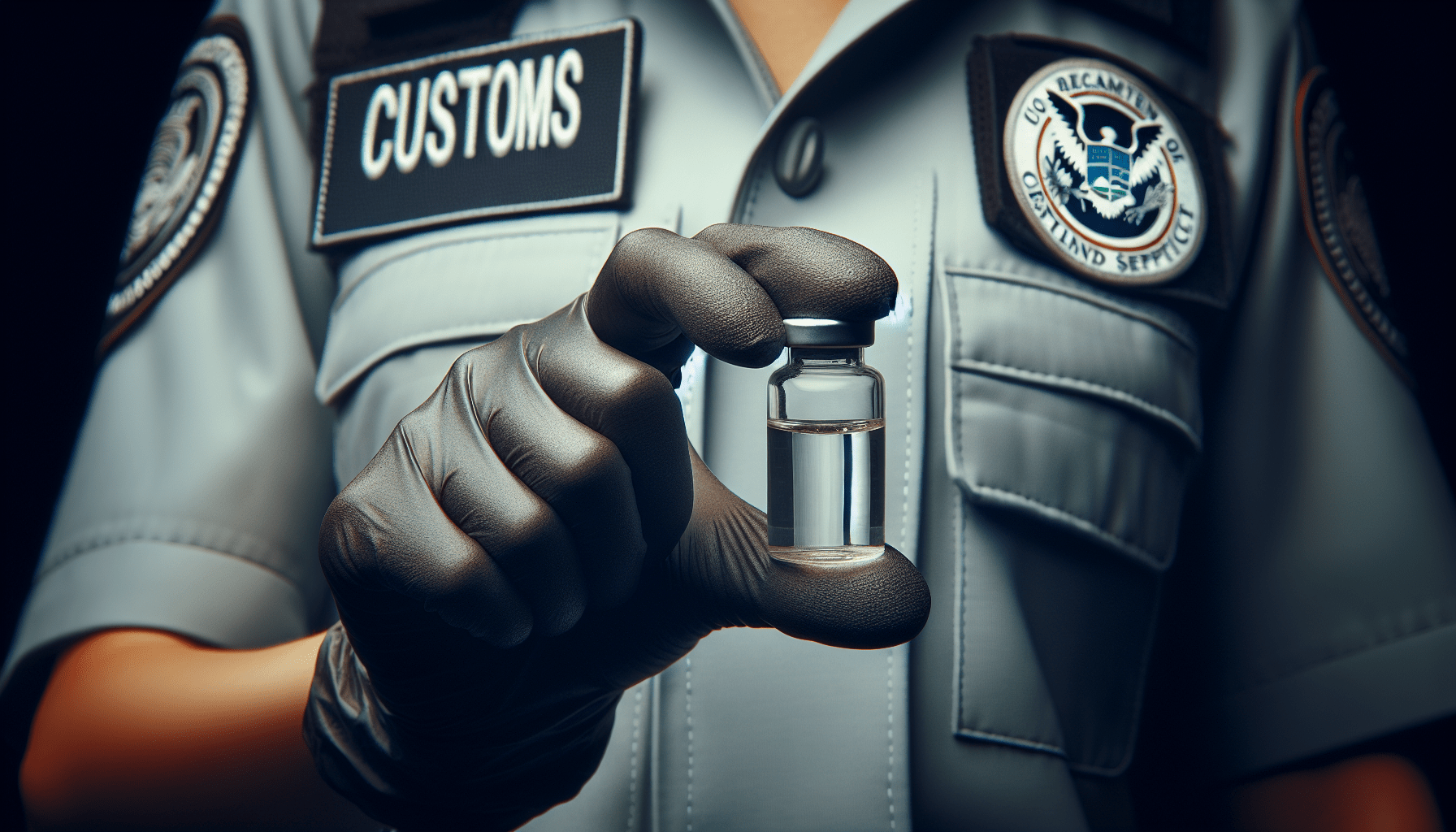
The CBP is responsible for enforcing U.S. laws and regulations at the border and plays a crucial role in the clearance of imported goods. They review the ISF filing information to assess the admissibility and security risk of the cargo. CBP officials have the authority to perform physical inspections, sample collections, and other necessary steps to ensure compliance and safety.
Drug Enforcement Administration (DEA)
The DEA is the primary agency responsible for enforcing the controlled substances regulations in the United States. Imports of controlled substances fall under their purview, and they closely monitor and regulate the importation process. The DEA registration is a key requirement for importers of controlled substances, and failure to comply with DEA regulations can lead to serious legal consequences.
Food and Drug Administration (FDA)
The FDA oversees the importation of pharmaceuticals and ensures the safety, efficacy, and quality of drug products. Controlled substances or narcotics imported for medical purposes also come under the FDA’s jurisdiction. Compliance with FDA requirements, including drug registration and import licenses, is crucial for successful importation of these substances.
Documentation and Information Required
Several documents and pieces of information are required for the ISF filing process. These include the Importer Security Filing (ISF) form, commercial invoice, packing list, bill of lading/airway bill, drug registration and import license, and narcotics import permit.
Importer Security Filing (ISF) form
The ISF form is the primary document that provides important information about the imported goods, such as the shipper, consignee, cargo description, and origin. It must be filed with the CBP at least 24 hours before the cargo is loaded onto the vessel to ensure smooth processing and clearance.
Commercial Invoice
The commercial invoice provides details about the value of the imported goods, including the purchase price and any additional charges. It is an important document for customs valuation purposes and plays a role in determining any applicable duties and taxes.
Packing List
The packing list provides a detailed breakdown of the cargo, including the quantity, weight, and description of each item in the shipment. It helps CBP officials assess the contents of the shipment and ensure compliance with import regulations.
Bill of Lading/Airway Bill
The bill of lading or airway bill is a transport document that serves as evidence of the contract of carriage between the shipper and the carrier. It contains important information about the shipment, such as the origin, destination, consignee, and consignor. This document is crucial for the ISF filing process as it contains essential details required by the CBP.
Drug Registration and Import License
For imports of controlled substances or narcotics, drug registration and import licenses are often required by the FDA. These documents ensure that the imported substances meet the necessary regulatory standards and are being imported by authorized entities.
Narcotics Import Permit
In addition to the FDA requirements, imports of narcotics may require a narcotics import permit from the DEA. This permit allows for the legal importation of narcotics and ensures that the import is being done for legitimate purposes.
Additional Requirements for Controlled Substances or Narcotics
Importing controlled substances or narcotics requires additional steps and documentation to ensure compliance and safety. Some of the specific requirements include DEA registration, power of attorney (POA), chain of custody records, certificate of analysis (COA), and special handling and storage procedures.
DEA Registration
Importers of controlled substances must register with the DEA and obtain the necessary DEA registration. This registration ensures that the importer is authorized to handle and import controlled substances and complies with DEA regulations.
Power of Attorney (POA)
A power of attorney is often required when importing controlled substances or narcotics. It grants a designated agent the authority to act on behalf of the importer during the importation process. This document is important for ensuring compliance and efficient processing of the import.
Chain of Custody Records
Chain of custody records document the complete history of the controlled substances or narcotics from the point of production or acquisition to the point of importation. These records ensure transparency and accountability throughout the supply chain and help regulatory bodies track the movement and handling of these substances.
Certificate of Analysis (COA)
A certificate of analysis provides detailed information about the composition, purity, and quality of the controlled substances or narcotics. This document is often required to ensure that the imported substances meet the necessary regulatory standards and are safe for use.
Special Handling and Storage Procedures
Due to the nature of controlled substances and narcotics, special handling and storage procedures may be required to maintain their integrity and prevent unauthorized access. These procedures may include secure storage facilities, temperature control, and procedures to prevent diversion or unauthorized distribution.
Timelines and Deadlines
Importers of controlled substances or narcotics must adhere to specific timelines and deadlines to ensure compliance and avoid penalties. This includes the deadline for ISF filing, reporting the arrival of controlled substance shipments, and the clearance process.
Deadline for ISF Filing
The ISF must be filed at least 24 hours before the cargo is loaded onto the vessel to ensure timely processing and clearance. Failure to meet this deadline can result in delays and penalties.
Reporting of Controlled Substance Shipment Arrival
Importers of controlled substances must also report the arrival of these shipments to the appropriate regulatory bodies, such as the DEA. This allows for monitoring and tracking of the shipments and ensures compliance with regulations.
Clearance Process
The clearance process for controlled substances or narcotics involves rigorous inspections, documentation review, and verification of compliance with import regulations. Importers must provide all necessary documents and information requested by the regulatory bodies to facilitate the clearance process.
Penalties and Consequences
Non-compliance with ISF requirements and the import regulations for controlled substances or narcotics can lead to severe penalties and legal consequences. Importers may face monetary fines, shipment delays, seizure and forfeiture of goods, and even the revocation of importer privileges.
Non-compliance with ISF Requirements
Failure to comply with the ISF requirements can result in penalties imposed by the CBP. These penalties can range from minor fines to significant monetary sanctions depending on the severity of the non-compliance.
Legal Consequences for Importing Controlled Substances or Narcotics
Importing controlled substances or narcotics without proper authorization or in violation of regulatory requirements can lead to serious legal consequences. The DEA and other law enforcement agencies actively investigate and prosecute individuals and entities involved in illegal importation, which can result in criminal charges, fines, and imprisonment.
Seizure and Forfeiture of Goods
If regulatory bodies suspect illegal activity or non-compliance, they have the authority to seize and forfeit the imported goods. This can result in a complete loss of the shipment, financial losses, and even further legal consequences for the importer.
Revocation of Importer Privileges
Repeated non-compliance or serious violations may lead to the revocation of an importer’s privileges, preventing them from importing controlled substances or narcotics in the future. This can have long-lasting impacts on the importer’s business and reputation.
Consulting an Expert
Given the intricate nature of the importation process for controlled substances or narcotics, it is crucial to consult with experts who have knowledge and experience in dealing with these requirements.
Role of Customs Brokers and Freight Forwarders
Customs brokers and freight forwarders specialize in navigating the complex world of import regulations. They can assist importers by providing guidance on the ISF filing process, ensuring compliance with regulatory requirements, and expediting the clearance process.
Engaging Legal Counsel
Importers may also benefit from engaging legal counsel familiar with import regulations and the legal implications of importing controlled substances or narcotics. Legal counsel can provide guidance on regulatory compliance, assist with DEA registrations, and help navigate any legal challenges that may arise.


Conclusion
Importing controlled substances or narcotics comes with a unique set of challenges and requirements. Ensuring compliance with ISF filing requirements, as well as additional regulatory obligations, is crucial for a smooth import process. By understanding the role of regulatory bodies, documenting and providing the necessary information, adhering to timelines and deadlines, and seeking expert assistance when needed, importers can mitigate risks, avoid penalties, and ensure the legality and security of their import operations.

References
- U.S. Customs and Border Protection (CBP) – [www.cbp.gov]
- Drug Enforcement Administration (DEA) – [www.dea.gov]
- Food and Drug Administration (FDA) – [www.fda.gov]
