
Can I Import Or Export Used Or Second-hand Goods?
So you’re wondering if you can import or export used or second-hand goods? Well, the good news is that in many cases, it is indeed possible. Whether you’re looking to sell those vintage clothes you’ve been hoarding or transport that second-hand car across borders, the world of international trade has its doors open for pre-owned items. However, there are some important factors to consider and regulations to navigate. From understanding customs procedures to meeting specific requirements for each country, this article will guide you through the ins and outs of importing or exporting used goods, ensuring a smooth and successful transaction.
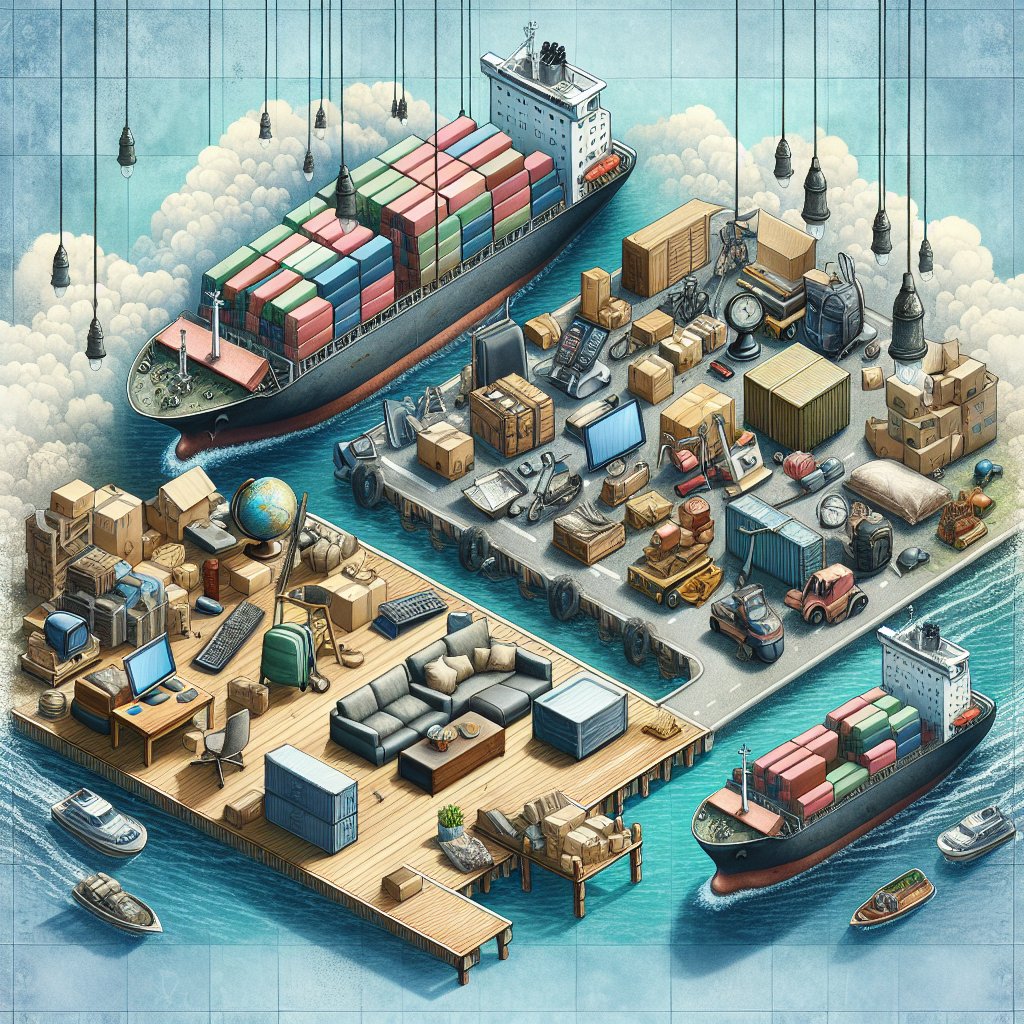

Importing Used or Second-hand Goods
Overview
Importing used or second-hand goods can be a cost-effective way to acquire high-quality items or to add unique inventory to your business. However, it’s important to be aware of the import restrictions and licensing requirements in order to ensure a smooth and legal process.
Import Restrictions
When importing used or second-hand goods, it’s crucial to understand the import restrictions that may apply. Certain items may be prohibited from entry into a country due to safety concerns, cultural sensitivities, or environmental regulations. For example, importing used mattresses or electronic items that don’t meet safety standards may be restricted or prohibited.
Licensing and Permits
Depending on the country and the type of goods being imported, you may need to obtain specific licenses or permits. These documents are necessary to demonstrate compliance with import regulations and to ensure that the goods meet certain standards. It’s important to research and understand the licensing requirements beforehand to avoid delays or complications during the importing process.
Customs Procedures
Customs procedures play a vital role in the importation of used or second-hand goods. These procedures include documenting and declaring the goods, determining the applicable duties and taxes, and complying with any inspections or examinations conducted by customs authorities. Familiarizing yourself with the customs procedures of the country you are importing to will help ensure a smooth and efficient importation process.
Exporting Used or Second-hand Goods
Overview
Exporting used or second-hand goods can be an opportunity to find new markets for your products or to sell inventory that is no longer needed in your domestic market. However, it’s important to understand the export restrictions, documentation requirements, and customs procedures when engaging in international trade of used goods.
Export Restrictions
Just like with import restrictions, export restrictions may also apply to certain used or second-hand goods. These restrictions are put in place to protect national interests, maintain safety and security, and prevent the illegal trade of sensitive items. Exporting goods that fall under these restrictions may require special permissions or even be prohibited altogether.
Documentation Required
When exporting used or second-hand goods, proper documentation is essential to demonstrate the legality and authenticity of the goods being shipped. This documentation typically includes a commercial invoice, packing list, bill of lading, customs declaration, and certificates of origin. Ensuring that you have all the necessary documentation ready will help expedite the export process.
Customs Procedures
Similar to importing, exporting used or second-hand goods involves complying with customs procedures. These procedures may require declaring the goods, calculating and paying applicable duties and taxes, and complying with any inspections or examinations conducted by customs authorities. Understanding the specific customs procedures of the country you are exporting from will ensure a smooth and hassle-free exportation process.
Import and Export Regulations
Import Regulations
Import regulations govern the entry of goods into a particular country. These regulations outline the requirements, restrictions, and procedures that must be followed by importers. It’s important to familiarize yourself with the import regulations of the country you plan to import into, as failure to comply can lead to delays, penalties, or even the seizure of your goods.
Export Regulations
Export regulations, on the other hand, govern the shipment of goods out of a country. These regulations ensure that exports comply with legal requirements, maintain national security, and protect the global environment. Understanding export regulations is crucial to ensure a smooth and legal export process.
Banned or Restricted Items
Both import and export regulations include lists of banned or restricted items that cannot be imported or exported under most circumstances. These items may include weapons, narcotics, endangered species, counterfeit goods, or items that pose a threat to national security. It’s essential to familiarize yourself with these lists to avoid engaging in illegal activities unknowingly.
Duty and Taxes
Importing or exporting used or second-hand goods often incurs duties and taxes. These costs are typically based on the value and classification of the goods being traded. Duties and taxes vary by country and may include tariffs, value-added tax (VAT), or customs fees. It’s important to calculate and factor these costs into your overall budget to avoid any unexpected expenses.
Tariffs and Quotas
Tariffs and quotas may also affect the import and export of used or second-hand goods. Tariffs are taxes imposed on imported goods by the government, while quotas restrict the quantity of goods that can be imported or exported within a specific period. These trade barriers can impact the profitability and competitiveness of your import or export venture, so it’s crucial to research and understand the tariffs and quotas that apply to your goods.

Licensing and Permits
Import Licenses
Certain countries may require importers of used or second-hand goods to hold specific import licenses. These licenses are granted by the relevant authorities and serve as proof that you meet the criteria and regulations set by the government. Import licenses ensure that your import activities are legal and compliant, providing a level of assurance to the customs authorities and facilitating a smoother import process.
Export Licenses
Similarly, some countries may require exporters of used or second-hand goods to obtain export licenses. These licenses serve as proof that you meet the legal and regulatory requirements for exporting the goods. Export licenses help ensure compliance and may be necessary for strategic or sensitive goods to maintain national security.
Special Permits
In addition to import and export licenses, special permits may be required for specific categories of used or second-hand goods. These permits are often necessary for goods that require additional safety inspections, undergo stringent customs procedures, or fall under specific regulatory frameworks. It’s important to understand the need for any special permits, as failure to obtain them can lead to delays or penalties.
Application Process
The process of obtaining import or export licenses and special permits typically involves submitting an application to the relevant government department or agency. The application process may require providing specific information, supporting documents, or paying fees. It’s important to carefully follow the application guidelines and ensure all required information is provided accurately and on time.
Validity and Renewal
Import and export licenses, as well as special permits, often have an expiration date. It’s important to be aware of the validity period and ensure that your licenses and permits are renewed in a timely manner. Failure to renew these documents may lead to disruptions in your import or export activities, so it’s essential to keep track of the expiration dates and initiate the renewal process well in advance.
Customs Procedures
Customs Declarations
When importing or exporting used or second-hand goods, customs declarations play a crucial role. These declarations provide detailed information about the goods being imported or exported, including their origin, value, and classification. Customs declarations allow customs authorities to assess the appropriate duties, taxes, and regulations that apply to the goods, ensuring compliance with import and export laws.
Duty and Tax Calculation
Customs authorities calculate the duties and taxes applicable to imported or exported used goods based on the information provided in the customs declaration. The value of the goods, the classification, and any applicable exemptions or preferential trade agreements are considered in the calculation process. It’s important to ensure that the declarations accurately reflect the goods to avoid any discrepancies that may lead to delays or financial penalties.
Inspections and Examinations
Customs authorities may conduct inspections or examinations of the imported or exported used goods to verify their compliance with applicable regulations. These inspections may include physical examinations, laboratory testing, or document audits. It’s crucial to cooperate with customs authorities during these inspections and provide any requested information or samples to ensure a smooth and efficient process.
Customs Valuation
Determining the customs value of used or second-hand goods can be complex, as it involves assessing the fair market value of the goods at the time of import or export. Customs authorities have specific methods for valuing goods, which take into account factors such as transaction value, comparable sales, or cost of production. Accurate customs valuation is essential to ensure proper assessment of duties and taxes.
Clearance and Release
Once the customs procedures, including inspections, valuations, and the payment of duties and taxes, are completed, the goods can be cleared and released for import or export. The customs authorities will issue the necessary documents to confirm the clearance, and the goods can then proceed to their destination. It’s important to have all the required documentation in order and comply with the customs procedures to avoid any delays in the clearance and release process.
Import Restrictions
Prohibited Imports
Import restrictions may include items that are strictly prohibited from being imported into a country under any circumstances. These may include illegal drugs, weapons, counterfeit goods, or items that pose a threat to national security. Understanding the prohibited imports is crucial to avoid engaging in illegal activities and to comply with customs regulations.
Restricted Imports
Restricted imports refer to goods that can only be imported under specific conditions or with special permission from the relevant authorities. These conditions may include safety certifications, licenses, or other regulatory requirements. Importing restricted goods without the necessary permissions can lead to penalties, confiscation of goods, or legal consequences.
Import Quotas
Import quotas are limitations on the quantity of certain goods that can be imported within a specific period. These quotas are usually implemented to protect domestic industries or manage the balance of trade. Importing goods beyond the allocated quota can result in additional duties or penalties. It’s important to be aware of any import quotas that may apply to your desired goods.
Sanitary and Phytosanitary Measures
Sanitary and phytosanitary measures are regulations that safeguard human, animal, or plant life or health from risks arising from the introduction of pests, diseases, or contaminants through imported goods. Compliance with these measures ensures that imported goods meet the required sanitary or phytosanitary standards. Failure to comply can result in the rejection or destruction of the goods.
Technical Barriers to Trade
Technical barriers to trade involve regulations, standards, or conformity assessment procedures that may affect imports. These barriers aim to protect consumers’ health, safety, or the environment, but they can also create obstacles to international trade. Understanding and complying with technical regulations is essential to ensure the smooth importation of used or second-hand goods.

Export Restrictions
Prohibited Exports
Prohibited exports refer to goods that are strictly prohibited from being exported from a country under any circumstances. These may include cultural artifacts, endangered species, or certain strategic goods. Exporting prohibited goods can lead to severe penalties, including legal action and the confiscation of the goods.
Restricted Exports
Restricted exports involve goods that can only be exported under specific conditions or with special permits. These conditions may include export licenses, compliance with certain regulations, or adherence to government-imposed restrictions. Exporting restricted goods without the necessary permissions can result in legal consequences and the confiscation of the goods.
Export Controls
Export controls are regulations implemented by governments to protect national security, prevent the proliferation of weapons, or restrict the transfer of sensitive technologies. These controls ensure that certain high-risk goods do not fall into the wrong hands or contribute to destabilizing activities. Compliance with export controls is crucial to avoid engaging in illegal trade or supporting unauthorized activities.
Dual-Use Goods
Dual-use goods refer to items that have both civilian and military applications. These goods may require special approval for export due to their potential use in sensitive sectors or illegal activities. Exporting dual-use goods without the necessary permits can have serious legal and security consequences.
Strategic Goods
Strategic goods are goods that have a direct impact on national security and defense. These goods are subject to strict export controls to prevent unauthorized access or use. Exporting strategic goods without the required permits or compliance with regulations can have severe legal consequences and may compromise national security interests.
Documentation and Record-keeping
Commercial Invoice
A commercial invoice is a document that provides a detailed description of the goods being imported or exported, including their value and quantity. The commercial invoice serves as proof of the transaction and is used to calculate customs duties and taxes. It is essential to accurately complete and include a commercial invoice with your shipments to ensure smooth customs clearance.
Packing List
A packing list provides a detailed breakdown of the goods being imported or exported, including the description, quantity, weight, and dimensions of each item. The packing list helps customs officials verify the contents of the shipment and ensure compliance with import or export regulations. Including a packing list with your shipments can expedite the customs clearance process and prevent unnecessary delays.
Bill of Lading
A bill of lading is a legal document issued by the shipping carrier that acknowledges the receipt of goods and serves as a contract of carriage. The bill of lading includes details such as the origin and destination of the goods, the names of the shipper and consignee, and the terms of delivery. It is essential to have a proper bill of lading when transporting goods internationally to ensure smooth logistics and legal compliance.
Customs Declaration
The customs declaration is a document that provides detailed information about the goods being imported or exported. It includes the value, description, quantity, and country of origin of the goods. The customs declaration is submitted to customs authorities to assess the applicable duties and taxes and ensure compliance with import or export regulations. Accurate and complete customs declarations are essential for a smooth customs clearance process.
Certificates of Origin
Certificates of origin are documents that certify the country in which the goods were produced. These certificates are often required to qualify for preferential duty rates under free trade agreements or to comply with import regulations. Including certificates of origin with your shipments can help reduce customs costs and ensure compliance with applicable trade agreements.
Compliance and Legal Considerations
Anti-dumping and Countervailing Duties
Anti-dumping and countervailing duties are trade measures imposed to address unfair trade practices, such as when imported goods are sold at a lower price than their domestic counterparts or benefit from government subsidies. Importing goods subject to these duties can result in additional costs and compliance obligations. It is essential to understand and comply with anti-dumping and countervailing duty regulations to avoid legal consequences.
Intellectual Property Rights
Intellectual property rights protect the creations of the human intellect, such as inventions, trademarks, and copyrights. When importing or exporting used or second-hand goods, it’s crucial to respect intellectual property rights and avoid infringing on trademarks or copyrights. Failure to do so can result in legal action, financial damages, and damage to your business reputation.
Trade in Endangered Species
The trade in endangered species is regulated to protect biodiversity and prevent the exploitation of vulnerable species. Importing or exporting used or second-hand goods made from or containing parts of protected species, such as ivory or certain animal skins, is strictly regulated or even prohibited. Compliance with these regulations is crucial to prevent the illegal trade of endangered species and avoid severe legal consequences.
Money Laundering and Fraud
Importing or exporting used or second-hand goods can create opportunities for money laundering or fraud if not approached with due diligence. It’s important to be aware of potential red flags and to take appropriate measures to prevent your business from being unknowingly involved in illegal activities. Implementing robust internal controls and conducting proper due diligence on trade partners can help protect your business from money laundering and fraud risks.
Non-compliance Consequences
Non-compliance with import and export regulations can have significant consequences. These may include delays in customs clearance, penalties, fines, and even criminal charges. Additionally, non-compliance can damage your business reputation, lead to the loss of customers or trade partners, and result in financial losses. It’s essential to prioritize compliance and ensure that your import and export activities meet all legal and regulatory requirements.
Conclusion
In summary, importing or exporting used or second-hand goods can offer numerous opportunities for businesses. However, it’s crucial to understand and comply with the import and export regulations, licensing requirements, customs procedures, and documentation obligations. By adhering to these regulations and following best practices, you can ensure a smooth and legal import or export process. Seeking professional advice from international trade experts, customs brokers, or legal counsel can provide invaluable guidance and support to navigate the complexities of importing and exporting used or second-hand goods successfully.
