
Can I Import Wildlife And Endangered Species Into The U.S.?
So, you’re thinking about importing wildlife and endangered species into the U.S.? Well, that’s certainly an interesting endeavor. But before you embark on this journey, it’s important to understand the regulations and restrictions that surround the importation of such creatures. The U.S. has stringent laws in place to protect its native wildlife and endangered species, so it’s crucial to navigate this process carefully. In this article, we’ll explore the guidelines and considerations you need to be aware of if you’re considering importing wildlife and endangered species into the U.S. Hold on tight, it’s going to be a wild ride!
The Wildlife Import-Export Permit Program
What is the Wildlife Import-Export Permit Program?
The Wildlife Import-Export Permit Program is a regulatory framework established by the U.S. government to manage and control the importation and exportation of wildlife and endangered species. It is aimed at protecting the biodiversity and ecosystems of the country by ensuring that the trade in these species is conducted in a responsible and sustainable manner.
Who is eligible for a permit?
Permits under the Wildlife Import-Export Permit Program are typically issued to individuals, organizations, and businesses involved in activities related to wildlife trade, research, conservation, and education. These can include importers, exporters, scientific researchers, educators, and even individuals who wish to import certain species for personal use or as pets.
What are the various types of permits available?
There are several types of permits available under the program, each designed for specific purposes. These include import permits, export permits, re-export permits, and permits for special activities such as scientific research or educational purposes. The specific type of permit required depends on the nature of the activity and the species involved.
How to apply for a wildlife import-export permit?
To apply for a wildlife import-export permit, you will typically need to submit an application to the appropriate regulatory authority, such as the U.S. Fish and Wildlife Service (USFWS). The application process usually involves providing detailed information about the proposed activity, such as the species involved, the intended purpose, the source of the specimens, and any relevant supporting documentation. It is important to ensure that all necessary information and documentation is provided accurately and in a timely manner to expedite the permit application process.
Importing Wildlife and Endangered Species
What is considered wildlife and endangered species?
Wildlife refers to any non-domesticated animal or plant species that is native to a particular country or region. Endangered species, on the other hand, are those that are at risk of extinction due to factors such as habitat loss, poaching, and climate change. The U.S. government has specific regulations in place to protect and manage the importation of both wildlife and endangered species.
Regulations and restrictions on importing wildlife and endangered species
Importing wildlife and endangered species into the U.S. is subject to strict regulations and restrictions aimed at conserving biodiversity and preventing the introduction of harmful invasive species. These regulations may differ depending on the specific species, their conservation status, and the country of origin. It is important to familiarize yourself with the relevant regulations and restrictions before attempting to import any wildlife or endangered species.
Permit requirements for importing wildlife and endangered species
To import wildlife and endangered species into the U.S., a permit is typically required. The specific permit requirements depend on factors such as the type of species, the purpose of importation, and the country of origin. In some cases, additional permits or certifications may be necessary, such as a Convention on International Trade in Endangered Species of Wild Fauna and Flora (CITES) permit. It is crucial to ensure compliance with all permit requirements to avoid legal repercussions.
Documentation and reporting obligations for importing wildlife and endangered species
When importing wildlife and endangered species, it is essential to maintain accurate documentation and fulfill reporting obligations. This includes providing detailed information about the species being imported, such as scientific names, quantities, and relevant identification or certification numbers. Additionally, importers may be required to report certain activities, such as the arrival and disposition of imported specimens. Proper documentation and reporting help ensure transparency and accountability in the importation process.
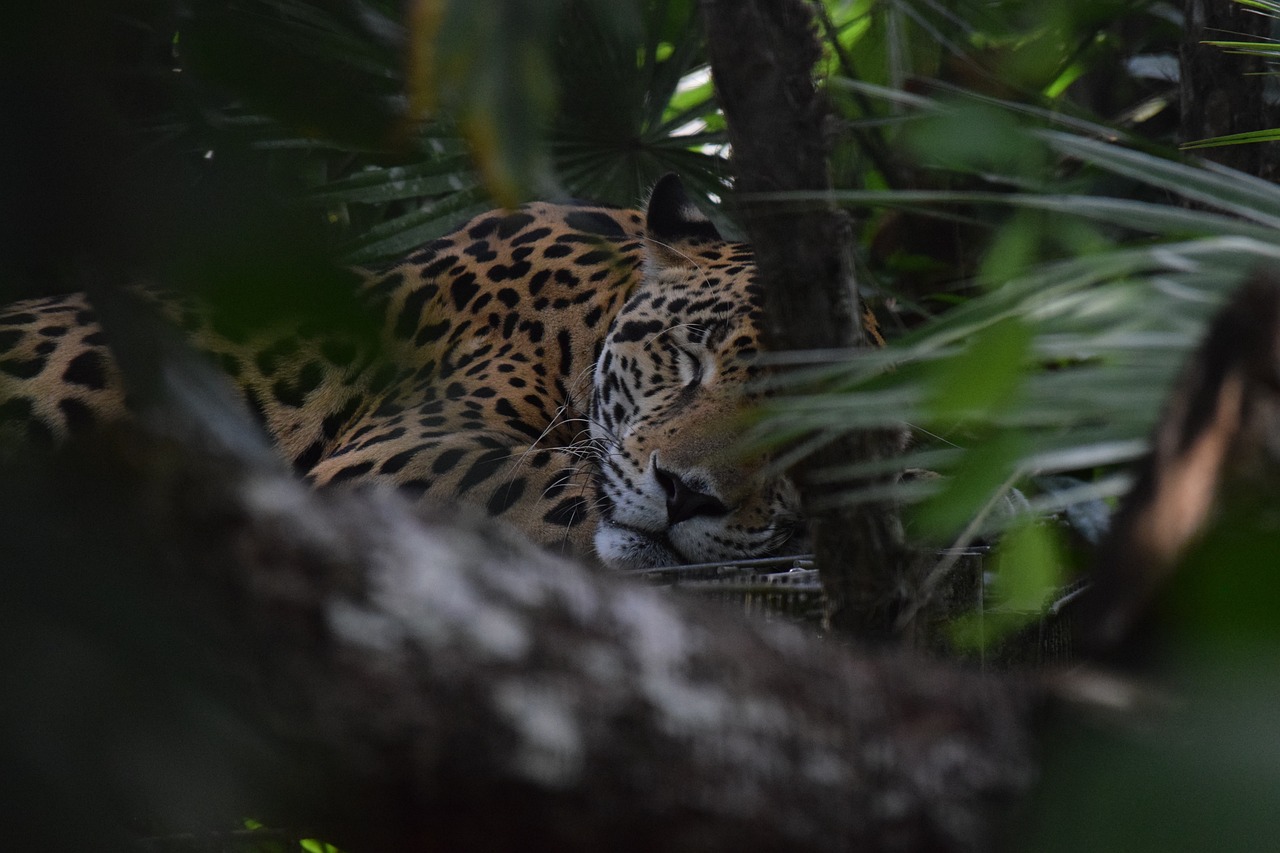
The Endangered Species Act (ESA)
Overview of the Endangered Species Act
The Endangered Species Act (ESA) is a federal law in the United States aimed at protecting and conserving endangered and threatened species and their habitats. It provides a framework for the conservation and recovery of species on the brink of extinction and aims to prevent the extinction of any species within the country.
How does the ESA regulate the importation of wildlife and endangered species?
The ESA plays a significant role in regulating the importation of wildlife and endangered species into the U.S. It prohibits the importation of any species listed as endangered under the ESA without a valid permit. Import permits are typically issued by the USFWS and are subject to various requirements and regulations aimed at ensuring the conservation and welfare of the species being imported.
Protected species and their specific importation rules
Under the ESA, there are numerous species that are protected and regulated in terms of their importation into the U.S. These species include iconic animals such as elephants, tigers, and rhinos, as well as various reptiles, amphibians, and birds. The importation of these species is subject to specific rules and restrictions, including the need for permits, certifications, and compliance with CITES regulations.
Exceptions and Permit Exemptions
Exceptions for personal use and personal pets
There are certain exceptions to the permit requirements for importing wildlife and endangered species. These exceptions include individuals importing specimens for personal use or keeping them as pets. However, it is important to note that even for personal use, there are limitations and regulations in place, especially for species listed as endangered or protected under the ESA.
Exceptions for scientific research and education
Scientific research and education are considered valid reasons for importing wildlife and endangered species. Researchers and educational institutions can apply for permits that allow them to import specimens for these purposes. However, strict regulations and reporting obligations still apply to ensure that the research or educational activity does not harm the species or their habitats.
Permit exemptions for certain non-commercial activities
Certain non-commercial activities may be eligible for permit exemptions when it comes to importing wildlife and endangered species. For example, the importation of deceased specimens for taxidermy purposes or the importation of specific parts or products made from protected species for personal use may qualify for exemptions. However, it is crucial to understand and comply with the specific requirements and limitations associated with these exemptions.

CITES and International Trade
What is CITES (Convention on International Trade in Endangered Species of Wild Fauna and Flora)?
CITES is an international agreement between governments aimed at ensuring the sustainable trade of wild fauna and flora while protecting endangered species. It regulates the international trade of certain species and sets standards to prevent their exploitation and endangerment.
CITES regulations on wildlife importation
CITES has specific regulations regarding the importation of wildlife and endangered species. These regulations include the need for permits and certifications for importing species listed under the CITES Appendices. The requirements for importing species under each appendix vary, with Appendix I listing the most endangered species with strict trade restrictions, while Appendix II and III list species that require permits or certifications for trade.
Obtaining CITES permits
To obtain a CITES permit for importing wildlife and endangered species, it is necessary to follow the procedures established by both the exporting and importing countries. This typically involves providing detailed information about the species, the purpose of importation, and any relevant documentation or certifications. CITES permits are usually issued by the relevant authorities in each country and must be obtained before importing any species protected under the CITES agreement.
Prohibited Species and Illegal Trade
Species prohibited for importation into the U.S.
There are certain species that are completely prohibited from being imported into the U.S. These species may pose significant risks to the environment, human health, or other native species. Examples of prohibited species include certain types of venomous snakes, certain primates, and invasive plant species. It is crucial to be aware of these prohibitions to avoid engaging in illegal trade or potentially harming ecosystems.
Penalties and enforcement against illegal trade
Illegal trade in wildlife and endangered species is taken very seriously by the U.S. government. Violations of regulations can result in severe civil and criminal penalties, including fines, imprisonment, and the seizure of illegal specimens. Law enforcement agencies, such as the U.S. Fish and Wildlife Service and U.S. Customs and Border Protection, work diligently to detect and prevent illegal trade and hold violators accountable.
Tips for avoiding involvement in illegal wildlife trade
To avoid inadvertently engaging in illegal wildlife trade and endangering wildlife, it is advisable to do thorough research and seek professional advice before importing any species. This includes ensuring the legality of the species, obtaining the necessary permits and certifications, and using reputable and ethical suppliers. Additionally, staying informed and supporting conservation efforts can contribute to combating illegal wildlife trade and promoting responsible practices.
Customs and Border Protection (CBP) Regulations
Role of CBP in regulating wildlife importation
Customs and Border Protection (CBP) plays a crucial role in regulating the importation of wildlife and endangered species into the U.S. CBP officers are responsible for inspecting and verifying the contents of shipments, including live animals and plant products. They enforce the various regulations and restrictions in place to prevent the illegal importation of protected species and to ensure compliance with permit requirements.
Inspection procedures at ports of entry
At ports of entry, CBP officers conduct thorough inspections to identify and verify the content of wildlife shipments. This can involve physical examination of specimens, reviewing accompanying documentation and permits, and working with relevant agencies such as the USFWS to ensure compliance. The inspection procedures are designed to detect any illegal trade or failure to comply with import regulations.
Civil and criminal penalties for violations
Violations of wildlife importation regulations can result in both civil and criminal penalties. Civil penalties may include fines, confiscation of specimens or products, and the suspension or revocation of permits. Criminal penalties can range from fines to imprisonment, depending on the severity and intent of the violation. The CBP and other law enforcement agencies actively enforce these penalties to deter illegal trade and protect wildlife.
U.S. Fish and Wildlife Service (USFWS) Regulations
USFWS jurisdiction and role in wildlife importation
The U.S. Fish and Wildlife Service (USFWS) has jurisdiction over the importation of wildlife and endangered species into the U.S. They are responsible for regulating and overseeing the permit program, implementing the ESA, and enforcing other relevant laws and regulations. The USFWS plays a vital role in ensuring the sustainability and conservation of wildlife through its involvement in wildlife importation.
Environmental impact assessment and species-specific considerations
Before issuing permits for the importation of wildlife and endangered species, the USFWS conducts environmental impact assessments to evaluate the potential harm or benefits to the species and their habitats. These assessments consider factors such as the conservation status of the species, the effect of the importation on their populations, and the sustainability of the trade. The USFWS also considers species-specific considerations to ensure the welfare and protection of individual species.
Reporting requirements and recordkeeping
Importers of wildlife and endangered species are required to fulfill reporting requirements and maintain detailed records of their activities. This includes providing information on the source and quantity of imported specimens, the purpose of importation, and any relevant permits or certifications. Timely and accurate reporting helps the USFWS monitor the trade in wildlife and ensure that it is conducted in a responsible and sustainable manner.
Lacey Act and Illegal Logging
Overview of the Lacey Act
The Lacey Act is a U.S. law that prohibits the trade in illegally sourced plants, wildlife, and their products. It was originally enacted to combat illegal logging but has since been expanded to include other types of illegal trade, including the importation of endangered species. The Lacey Act helps prevent the importation of species whose trade may harm ecosystems, wildlife populations, or local communities.
How the Lacey Act combats illegal logging and wildlife trafficking
The Lacey Act combats illegal logging and wildlife trafficking by making it illegal to import, transport, sell, or purchase any plant or wildlife products that have been obtained illegally. This includes products made from illegally logged timber, specimens obtained through illegal hunting or trapping, and wildlife or plant products imported without the necessary permits or certifications. The Lacey Act promotes responsible sourcing and encourages the use of legal and sustainable alternatives.
Compliance requirements for importers
Importers are required to comply with the provisions of the Lacey Act when it comes to the importation of plants, wildlife, and their products. This includes conducting due diligence to ensure that the imported specimens or products are legally sourced, obtained, and transported. Importers must keep records of their imports, including documentation that demonstrates legal compliance, and may be required to provide such records upon request by authorities.
Ethical Considerations and Conservation Efforts
Ethical considerations when importing wildlife and endangered species
When considering the importation of wildlife and endangered species, it is important to take into account ethical considerations. This includes ensuring that the trade does not contribute to the exploitation or harm of species, ecosystems, or local communities. Importers should prioritize sourcing from responsible and ethical suppliers who adhere to conservation principles and sustainable trade practices.
Conservation programs and sustainable trade initiatives
There are numerous conservation programs and initiatives aimed at promoting the sustainable trade and conservation of wildlife and endangered species. These include certification schemes that ensure the legality and sustainability of trade, as well as programs that support habitat conservation and community development in regions where the species originate. Supporting and engaging with these programs can help ensure that the trade in wildlife contributes to their conservation and benefits local communities.
Supporting responsible and ethical suppliers
To ensure that the importation of wildlife and endangered species is conducted ethically, it is essential to support responsible and ethical suppliers. This includes conducting thorough research on suppliers and verifying their adherence to legal requirements and conservation principles. Choosing suppliers who are transparent about their sourcing practices and who prioritize the welfare and conservation of species can help promote sustainable and responsible trade.