
Can I Use Customs Clearance For Goods Subject To Anti-dumping And Countervailing Duties?
So, you’ve got some goods that are subject to anti-dumping and countervailing duties, and now you’re wondering if you can still go ahead with customs clearance. Well, the answer to that question isn’t as straightforward as you might have hoped. When it comes to goods that fall under these duties, you’ll need to navigate through a web of regulations and requirements. In this article, we’ll break it down for you, outlining the key factors to consider and providing some insights into the processes involved. So, let’s get started and see if we can clear up this customs clearance conundrum for you.
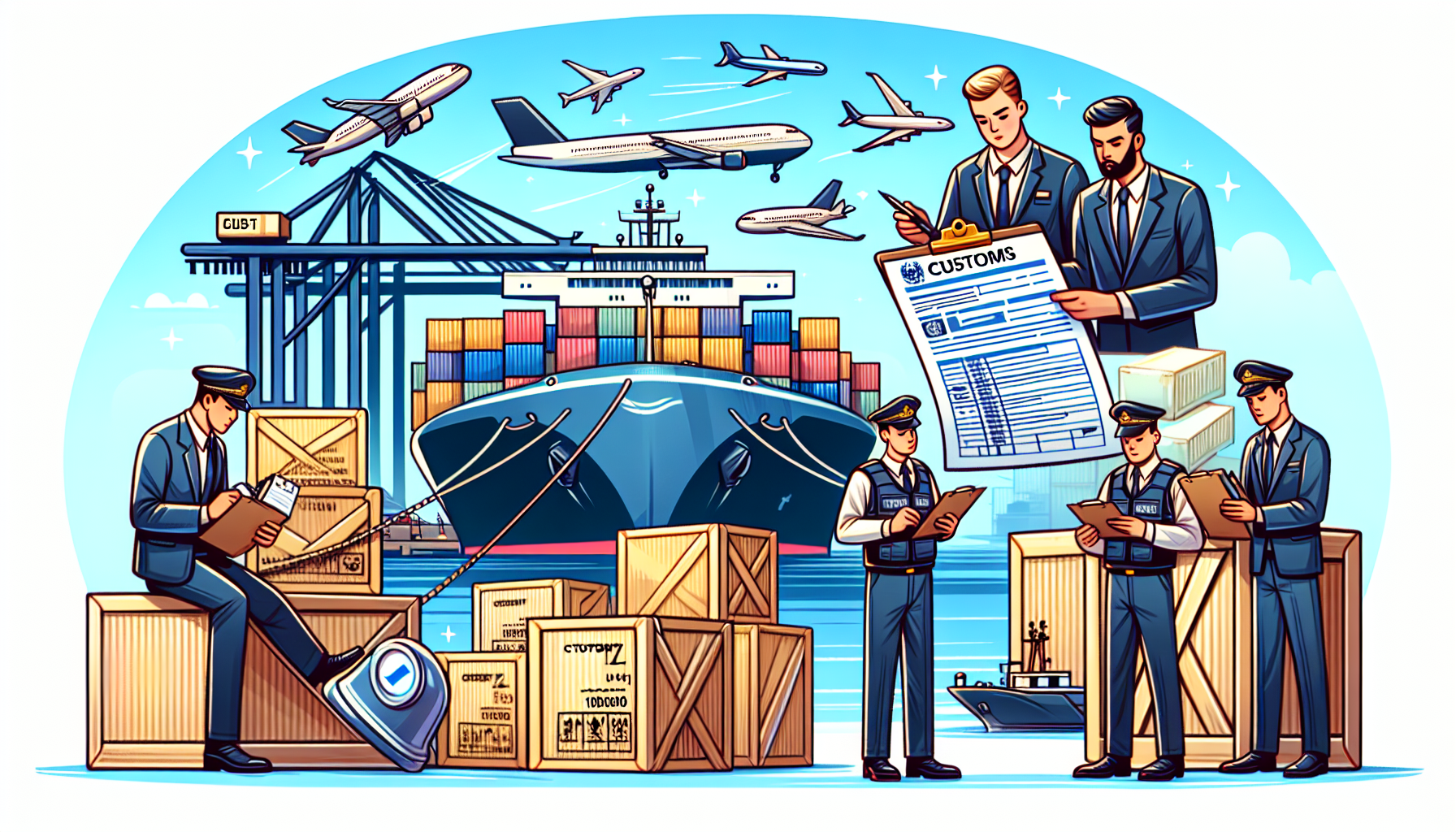

Overview of Customs Clearance for Goods Subjects to Anti-dumping and Countervailing Duties
Understanding Anti-dumping and Countervailing Duties
Anti-dumping and countervailing duties are trade measures imposed on imported goods to protect domestic industries from unfair competition. Anti-dumping duties are imposed when foreign companies sell their products in the importing country at a lower price than their fair value, causing harm to the domestic industry. Countervailing duties, on the other hand, are imposed to counter subsidies provided to foreign producers by their governments, which give them an unfair advantage in the global market.
Importance of Customs Clearance
Customs clearance is a crucial process that allows goods to enter a country legally. For goods subject to anti-dumping and countervailing duties, customs clearance ensures compliance with trade regulations and helps prevent the importation of goods that could harm domestic industries. It also ensures the collection of appropriate duties and taxes, thereby maintaining a level playing field for domestic producers.
Legality of Using Customs Clearance for Dutiable Goods
Using customs clearance for goods subject to anti-dumping and countervailing duties is not only legal but also essential. It ensures that duty-paying goods comply with trade regulations, prevents smuggling and illegal trade practices, and supports the fair treatment of domestic industries. By following the proper customs clearance procedures, importers can avoid potential legal consequences and maintain their reputation in the business world.
Process of Customs Clearance for Goods Subject to Anti-dumping and Countervailing Duties
Pre-arrival Procedures
Before the arrival of goods subject to anti-dumping and countervailing duties, importers need to complete several pre-arrival procedures. These include submitting advance electronic manifests and other required documents to the customs authorities. These documents provide essential information about the goods, such as their description, quantity, value, and origin, which determines the application of anti-dumping and countervailing duties.
Documentation Requirements
Accurate and complete documentation is crucial for customs clearance of goods subject to anti-dumping and countervailing duties. Importers need to provide necessary documents, such as commercial invoices, packing lists, bills of lading, certificates of origin, and any additional documents required to demonstrate compliance with the relevant regulations. This documentation helps customs authorities assess the goods correctly and determine the applicable duties and taxes.
Assessment of Duties and Taxes
Customs authorities assess anti-dumping and countervailing duties based on the relevant regulations and documentation provided by importers. This assessment involves determining the applicable duty rates, calculating the dutiable value of the goods, and verifying if any subsidies or unfair pricing practices have occurred. It is crucial for importers to provide accurate and reliable information to ensure fair and accurate assessment of duties and taxes.
Examination and Release of Goods
After the assessment of duties and taxes, customs authorities may conduct an examination of the goods to ensure their compliance with relevant regulations and documentation. If the goods pass the examination, they are released to the importer. However, if any issues or discrepancies are found, customs authorities may further investigate, and the release of the goods may be delayed. Importers should proactively address any concerns raised during the examination process to minimize potential delays and additional costs.
Challenges and Considerations for Customs Clearance of Dutiable Goods
Complexity of Anti-dumping and Countervailing Duty Regulations
The regulations governing anti-dumping and countervailing duties can be complex and vary from country to country. Importers face the challenge of understanding and complying with these regulations, including the calculation of duty rates, the assessment of unfair pricing practices, and the identification of subsidies. Seeking professional advice and staying updated on changes in regulations can help overcome these challenges and ensure smooth customs clearance.
Tariff Classification Issues
Proper tariff classification is fundamental for determining the applicable duties on imported goods. However, determining the correct classification can be challenging, especially for goods subject to anti-dumping and countervailing duties. Importers need to accurately identify the goods’ characteristics and compare them with the relevant tariff schedules. Any misclassification can result in incorrect duty calculations and potential legal consequences.
Valuation of Goods Subject to Duties
The valuation of goods subject to anti-dumping and countervailing duties is a critical aspect of customs clearance. Importers must accurately determine the value of the goods, including any adjustments required to comply with the customs valuation rules. Failure to provide accurate valuation information can lead to disputes with customs authorities, delayed clearance, and potential penalties.
Import Restrictions and Quotas
In addition to anti-dumping and countervailing duties, importers may also face challenges related to import restrictions and quotas. Some goods may be subject to import licenses, permits, or other restrictions, which need to be complied with during the customs clearance process. Importers must stay informed about any such restrictions and ensure the necessary compliance to avoid complications and delays.
Potential Delay and Additional Costs
Customs clearance of goods subject to anti-dumping and countervailing duties can be time-consuming and may involve additional costs. Possible delays may occur due to the need for further inspections, disputes over duty calculations, or incomplete or incorrect documentation. Importers should account for these potential delays and costs in their supply chain planning and ensure effective communication with customs authorities to address any issues promptly.
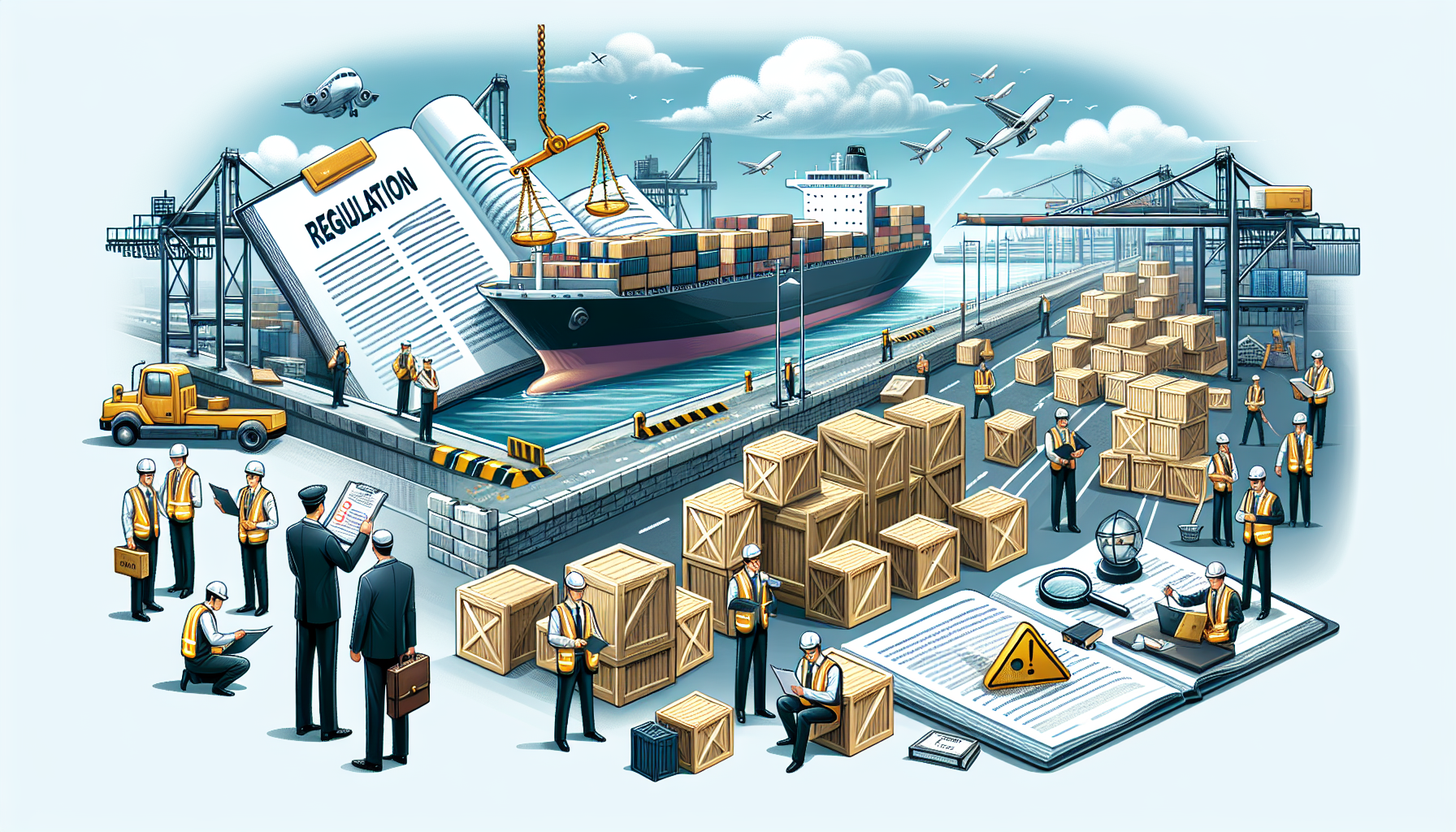

Strategies and Tips for Effective Customs Clearance of Goods Subject to Duties
Engaging Professional Customs Brokers
Seeking the assistance of experienced customs brokers can significantly facilitate the customs clearance process for goods subject to anti-dumping and countervailing duties. Customs brokers have in-depth knowledge of customs regulations, procedures, and documentation requirements and can help importers navigate through the complexities of the process. Their expertise can ensure accurate classification of goods, proper valuation, and compliance with all relevant regulations.
Thorough Understanding of Regulations
Importers should invest time and effort in gaining a thorough understanding of the regulations related to anti-dumping and countervailing duties. This includes staying updated on changes in regulations, studying the relevant laws and customs procedures, and familiarizing themselves with the specific requirements of the importing country or region. A clear understanding of the regulations will enable importers to fulfill their obligations, minimize risks, and ensure efficient customs clearance.
Accurate Documentation and Information
Providing accurate and complete documentation is crucial for successful customs clearance of goods subject to anti-dumping and countervailing duties. Importers should ensure that all required documents are prepared accurately, including commercial invoices, packing lists, certificates of origin, and any other specific documents requested by customs authorities. Any discrepancies or inconsistencies in the documentation can lead to delays and scrutiny from customs authorities.
Proactive Communication with Customs Authorities
Establishing proactive and open communication channels with customs authorities is essential for smooth customs clearance. Importers should communicate in advance if they anticipate any challenges, discrepancies, or changes in documentation or shipment details. Building a cooperative relationship with customs authorities can help address any issues promptly and facilitate a timely and efficient clearance process.
Monitoring and Compliance
Importers should establish robust monitoring and compliance procedures to ensure ongoing adherence to anti-dumping and countervailing duty regulations. This includes staying updated on changes in regulations, conducting internal audits to identify any areas of non-compliance, and promptly addressing any issues. Regular monitoring and compliance efforts minimize the risk of penalties, seizure of goods, and damage to the importer’s reputation.
Specific Considerations for Different Countries and Regions
Anti-dumping and Countervailing Duty Practices in the United States
The United States has specific regulations and practices regarding anti-dumping and countervailing duties. Importers need to be familiar with the regulations enforced by the U.S. Department of Commerce and the U.S. International Trade Commission. This includes understanding the investigation process, the calculation of dumping margins and subsidy rates, and the filing of necessary documentation, such as antidumping duty and countervailing duty petitions.
Anti-dumping and Countervailing Duty Practices in the European Union
The European Union (EU) also imposes anti-dumping and countervailing duties on goods imported into its member states. Importers should be aware of the processes and regulations established by the European Commission and the Directorate-General for Trade. This includes understanding the EU’s investigation procedures, the calculation of duties, and the requirements for providing evidence of dumping or subsidies in the exporting country.
Anti-dumping and Countervailing Duty Practices in Asia
Various countries in Asia, such as China, India, and South Korea, have their own anti-dumping and countervailing duty practices. Importers should familiarize themselves with the specific regulations of each country they plan to import goods into. This includes understanding the investigation processes, the calculation of duties, and the local requirements for documentation and evidence to prove unfair pricing practices or subsidies.
Differences in Customs Clearance Procedures
Importers should consider that customs clearance procedures and requirements may differ between countries and regions. It is crucial to research and understand the specific customs clearance processes applicable to the importing country or region. This includes knowing the required documentation, the examination procedures, and any specific rules or regulations related to anti-dumping and countervailing duties.
Consequences of Non-compliance with Anti-dumping and Countervailing Duty Regulations
Fines, Penalties, and Legal Consequences
Non-compliance with anti-dumping and countervailing duty regulations can result in fines, penalties, and legal consequences. Customs authorities may impose fines for incorrect documentation, undervaluation of goods, or misclassification. Legal consequences may include lawsuits initiated by domestic industries affected by unfair trade practices or by customs authorities seeking to enforce compliance. It is essential to prioritize compliance to avoid these potential consequences.
Seizure or Forfeiture of Goods
If customs authorities discover violations or non-compliance during the customs clearance process, they may seize or forfeit the goods. Seizure or forfeiture can occur if the goods are found to be undervalued, misclassified, or if evidence of unfair pricing practices or subsidies is uncovered. Importers may lose both the goods and the investment made in their acquisition, leading to significant financial losses.
Damage to Business Reputation
Non-compliance with anti-dumping and countervailing duty regulations can harm an importer’s business reputation. News of non-compliance, legal disputes, or the involvement in unfair trade practices can tarnish an importer’s image and diminish trust among customers, suppliers, and business partners. Maintaining compliance with regulations ensures the preservation of a positive business reputation and fosters trust and confidence in the marketplace.

Case Studies on Successful Customs Clearances of Dutiable Goods
Effective Strategies and Approaches
Case studies of successful customs clearances of goods subject to anti-dumping and countervailing duties can provide valuable insights into effective strategies and approaches. These case studies highlight the importance of accurate documentation, proactive communication with customs authorities, and the engagement of professional customs brokers. By studying these success stories, importers can learn from best practices and apply them to their own customs clearance processes.
Lessons Learned from Successful Cases
Successful customs clearance cases offer valuable lessons for importers. They emphasize the significance of thorough compliance with regulations, the importance of accurate and complete documentation, and the benefits of seeking professional advice. Importers can learn from the experiences of others and avoid common pitfalls that can lead to delays, penalties, or loss of goods. These lessons contribute to building a more efficient and reliable customs clearance process.
Importance of Professional Advice and Consultation
Seeking Assistance from Customs and Trade Experts
Importers should recognize the importance of seeking professional advice and consultation from customs and trade experts. These experts possess in-depth knowledge of anti-dumping and countervailing duty regulations, customs clearance procedures, and documentation requirements. By engaging their services, importers can benefit from their expertise and experience, ensuring accurate compliance and minimizing the risk of penalties or legal consequences.
Benefits of Expert Guidance and Support
Expert guidance and support offer numerous benefits for importers dealing with goods subject to anti-dumping and countervailing duties. Professionals in the field can provide valuable insights into changing regulations, assist with appropriate tariff classification, provide accurate valuation advice, and navigate the complexities of the customs clearance process. Their guidance and support contribute to a smooth and efficient customs clearance, saving time and resources for importers.
Conclusion
Customs clearance for goods subject to anti-dumping and countervailing duties is a complex process that requires careful compliance with trade regulations and documentation requirements. Importers must be aware of the specific challenges, considerations, and strategies involved in obtaining customs clearance for these goods. By engaging professional customs brokers, staying updated on regulations, providing accurate documentation, and maintaining proactive communication, importers can ensure efficient customs clearance, comply with anti-dumping and countervailing duty regulations, and protect their business reputation. Seeking expert advice and consultation can further enhance the likelihood of successful customs clearance and minimize the risks associated with non-compliance.
