
Customs Clearance For Chemicals And Hazardous Materials
So you’re in the business of importing chemicals and hazardous materials, and you’re curious about the process of customs clearance? Well, you’ve come to the right place! In this article, we’ll provide you with a concise overview of customs clearance for chemicals and hazardous materials. From understanding the necessary documentation to navigating regulatory requirements, we’ve got you covered. So sit back, relax, and let us guide you through the intricacies of customs clearance in this highly regulated industry.

Importance of Customs Clearance
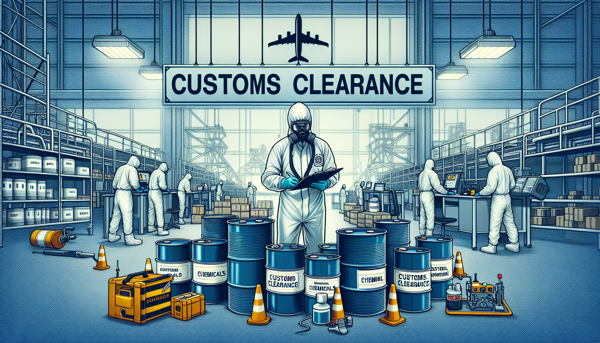
Customs clearance is a crucial process when it comes to the import and export of chemicals and hazardous materials. It ensures compliance with regulations, prevents environmental damage, and protects public safety. Without proper customs clearance, the transportation and trade of these substances could pose serious risks.
Ensuring Compliance with Regulations
One of the primary reasons for customs clearance is to ensure compliance with regulations set by government authorities. These regulations are put in place to protect the environment, public health, and safety. Customs clearance requires strict adherence to these regulations, ensuring that all necessary permits and licenses are obtained and that proper documentation is provided.
Preventing Environmental Damage
Chemicals and hazardous materials have the potential to cause significant environmental damage if not handled and transported properly. Customs clearance plays a vital role in preventing such damage by setting standards for proper handling, packaging, and labeling of these substances. It also ensures that importers and exporters follow established guidelines for waste disposal and environmental protection.
Protecting Public Safety
The transportation and handling of chemicals and hazardous materials can pose risks to public safety if not done in accordance with established regulations. Customs clearance helps mitigate these risks by ensuring that safety precautions are followed during transportation, including proper packaging, labeling, and documentation. It also ensures that only trained professionals are involved in the handling of these substances, reducing the chances of accidents or incidents.
Classification of Chemicals and Hazardous Materials
Proper classification of chemicals and hazardous materials is crucial for customs clearance. It involves the identification of these substances and determining their proper classification according to internationally accepted standards. The use of Harmonized System (HS) codes simplifies this classification process and ensures consistency in documentation and regulatory compliance.
Identification of Chemicals and Hazardous Materials
Before customs clearance can take place, it is essential to accurately identify the chemicals and hazardous materials being imported or exported. Each substance has unique properties that determine its classification and regulatory requirements. Identification may involve analyzing the chemical composition, physical characteristics, and potential hazards associated with the substance.
Determining Proper Classification
Once the substances are identified, the next step is to determine their proper classification. This involves matching the characteristics of the chemical or hazardous material with internationally accepted classification systems, such as the United Nations Globally Harmonized System of Classification and Labelling of Chemicals (GHS). Proper classification ensures that the substance is handled, transported, and documented correctly.
Use of Harmonized System (HS) Codes
Harmonized System (HS) codes are standardized numeric codes used to classify goods for customs purposes. These codes provide a uniform and internationally recognized classification system for chemicals and hazardous materials. Each chemical or hazardous material is assigned a specific HS code, which facilitates the customs clearance process by streamlining documentation and ensuring compliance with regulations.
Required Documentation
To facilitate customs clearance for chemicals and hazardous materials, several important documents need to be provided. These documents serve as evidence of compliance, proper handling, and regulatory requirements. The following documentation is typically required:
Commercial Invoice
A commercial invoice is a document provided by the exporter that includes information such as the description of the goods, value, quantity, country of origin, and terms of sale. It serves as a declaration of the contents and value of the shipment and is essential for customs clearance purposes.
Packing List
A packing list provides detailed information about the contents of the shipment, including the type and quantity of each item, packaging materials used, and dimensions of the packages. This document helps customs officers verify the accuracy of the shipment and ensures that the goods are properly packed and labeled.
Safety Data Sheets (SDS)
Safety Data Sheets (SDS), also known as Material Safety Data Sheets (MSDS), provide detailed information about the chemical or hazardous material being imported or exported. It includes information regarding its properties, potential hazards, handling precautions, and emergency response procedures. SDS are crucial for ensuring the safe handling, storage, and transportation of these substances.
Customs Brokers’ Documentation
Customs brokers play a vital role in assisting importers and exporters with the customs clearance process. They are responsible for preparing and submitting various documents on behalf of their clients. These documents may include power of attorney, customs declarations, import/export permits, and other necessary paperwork required by customs authorities.

Permit and Licensing Requirements
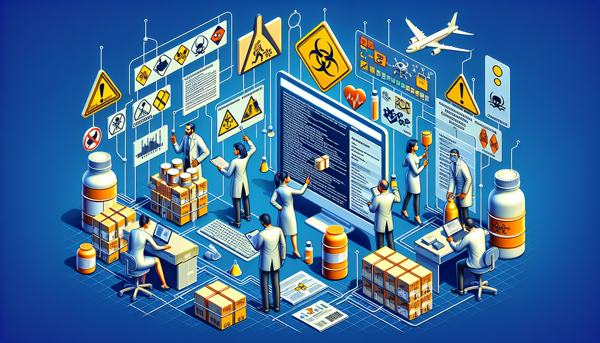
Permits and licenses are often required for the import and export of chemicals and hazardous materials. These requirements vary depending on the nature of the substances and the regulations of the countries involved. It is important to be aware of and comply with the specific permit and licensing requirements to ensure smooth customs clearance.
Import Permits
Import permits are issued by the importing country’s regulatory authorities and grant permission to bring specific chemicals or hazardous materials into the country. These permits are usually required for controlled substances, restricted chemicals, or substances that pose potential risks to public health, safety, or the environment. Importers must obtain the necessary permits before initiating the customs clearance process.
Export Permits
Similarly, export permits may be required for the export of certain chemicals and hazardous materials. These permits are issued by the exporting country’s regulatory authorities and serve as documentation that the goods meet all export requirements, including compliance with international regulations and environmental standards.
Licenses for Specific Chemicals
Certain chemicals may require special licenses due to their potential hazards or their use in specific industries. For example, chemicals used in pharmaceuticals, agriculture, or industrial processes may require additional licenses to ensure compliance with industry-specific regulations. It is crucial to obtain the necessary licenses before engaging in customs clearance activities.
End-Use Certificates
End-use certificates are documents issued by the importing country’s regulatory authorities that confirm the intended use of the imported chemical or hazardous material. These certificates provide assurance that the substances will be used for their intended purpose and will not be misused or diverted for illegal activities. End-use certificates may be required for sensitive or regulated substances.
Safety and Handling Procedures
The safety and proper handling of chemicals and hazardous materials are paramount during the customs clearance process. It is crucial to follow established safety precautions, packaging and labeling requirements, and transportation regulations to minimize the risk of accidents, spills, or other safety hazards.
Safety Precautions for Shipping
When shipping chemicals and hazardous materials, it is important to adhere to strict safety precautions to protect both the workers involved and the environment. These precautions may include using appropriate Personal Protective Equipment (PPE), ensuring proper ventilation, conducting regular safety training, and implementing emergency response plans in case of accidents or spills.
Packaging and Labeling Requirements
Proper packaging and labeling are essential to ensure the safe transportation and handling of chemicals and hazardous materials. Packaging must be designed to withstand the rigors of transportation, prevent leaks or spills, and be compatible with the properties of the substances being shipped. Labels must accurately identify the contents and include hazard symbols, safety information, and appropriate warnings.
Transportation Modes and Regulations
Chemicals and hazardous materials can be transported by various modes, including air, sea, road, or rail. Each mode of transportation has its own set of regulations and requirements regarding packaging, labeling, documentation, and handling procedures. It is crucial to be familiar with these regulations and ensure compliance to avoid delays or safety hazards during customs clearance.
Customs Clearance Process
The customs clearance process involves several steps that need to be followed to ensure the smooth flow of goods across international borders. Understanding and properly executing these steps is essential for successful customs clearance.
Filing the Entry
The first step in the customs clearance process is filing the entry with the customs authorities of the importing country. The entry includes all relevant information about the shipment, such as a detailed description of the goods, value, quantity, country of origin, and supporting documentation. Filing the entry initiates the customs clearance process and allows customs authorities to assess the goods and determine the applicable duties and taxes.
Pre-Arrival Processing System (PAPS)
For shipments entering certain countries, such as the United States, the use of the Pre-Arrival Processing System (PAPS) is required. PAPS allows importers and customs brokers to submit documentation and information about the shipment to customs authorities in advance. This enables faster processing and reduces the chances of delays at the border.
Inspection and Examination
Customs authorities may conduct inspections and examinations of the goods to ensure compliance with regulations and validate the accuracy of the documentation provided. Inspections may involve physical examination of the shipment, sampling, or testing of the chemicals or hazardous materials. Compliance with safety, packaging, labeling, and documentation requirements is carefully evaluated during this stage.

Customs Duties and Fees
Customs duties and fees are an important aspect of the customs clearance process for chemicals and hazardous materials. Understanding the applicable tariffs, trade agreements, and valuation of goods is crucial to determine the financial implications of the clearance process.
Tariffs and Trade Agreements
Tariffs are taxes imposed on imported goods or materials. Different chemicals and hazardous materials may be subject to different tariff rates, depending on trade agreements and international regulations. It is important to be aware of the specific tariff rates applicable to the goods being imported or exported to determine the associated costs.
Valuation of Goods
The valuation of goods is essential for determining the customs duties and fees. Valuation methods vary depending on the country and may include the transaction value method (based on the price paid or payable for the goods), the deductive value method (based on the selling price in the importing country), or the computed value method (based on the cost of production, profit, and other factors). Accurate valuation ensures compliance and avoids unnecessary disputes or penalties.
Additional Fees and Charges
In addition to customs duties and fees, there may be additional charges associated with customs clearance for chemicals and hazardous materials. These charges may include administrative fees, port fees, storage fees, or fees for specialized services such as inspections or laboratory testing. It is important to consider these additional costs when planning the import or export of these substances.
Customs Brokerage Services
Engaging the services of a customs broker can greatly simplify the customs clearance process for chemicals and hazardous materials. Customs brokers are experienced professionals who specialize in navigating the complexities of customs regulations and procedures.
Benefits of Using a Customs Broker
Using a customs broker offers several benefits, including expert knowledge of customs regulations, assistance with completing and submitting documentation, faster processing of customs clearance, and reduced risk of errors or delays. Customs brokers also provide guidance on compliance with regulations, relevant permits and licenses, and tariff classifications, ultimately saving time and ensuring a smoother clearance process.
Role and Responsibilities of a Customs Broker
The role of a customs broker involves acting as a liaison between importers/exporters and customs authorities. Their responsibilities include preparing and submitting the necessary documents, ensuring compliance with regulations, coordinating with carriers and customs officials, providing advice on tariff classification and valuation, and resolving any customs-related issues or disputes that may arise during the clearance process.
Choosing a Reliable Customs Broker
When selecting a customs broker for the clearance of chemicals and hazardous materials, it is important to choose a reliable and experienced professional. Consider factors such as their knowledge of specific regulations and requirements, their track record of successful clearances, their communication and responsiveness, and their reputation within the industry. Working with a trusted customs broker can significantly streamline the customs clearance process and reduce the risk of errors or delays.
Risk Management and Compliance
Risk management and compliance are critical aspects of customs clearance for chemicals and hazardous materials. Importers and exporters must have robust systems in place to assess and mitigate potential risks associated with these substances.
Compliance Audits
Periodic compliance audits are essential for ensuring ongoing adherence to customs regulations and requirements. These audits involve a thorough review of policies, procedures, documentation, and practices to verify compliance with applicable laws and regulations. By identifying any areas of non-compliance, importers and exporters can take corrective measures to minimize the risk of penalties or other regulatory consequences.
Risk Assessment and Mitigation Measures
Risk assessment is a proactive approach to identify and evaluate potential risks associated with the import or export of chemicals and hazardous materials. It involves analyzing factors such as the nature of the substances, the countries involved, transportation methods, and potential regulatory issues. Based on the assessment, appropriate mitigation measures can be implemented to minimize the identified risks and ensure compliance with regulations.
Compliance with International Standards
Compliance with internationally recognized standards is crucial for customs clearance of chemicals and hazardous materials. These standards include the UN GHS for classification and labeling of chemicals, guidelines for packaging and handling of hazardous materials, and regulations such as the International Maritime Dangerous Goods (IMDG) Code. Adhering to these standards ensures consistency, safety, and compliance throughout the customs clearance process.
Customs Clearance Challenges
The customs clearance process for chemicals and hazardous materials can present various challenges. Importers and exporters must be aware of these challenges and take proactive measures to address them.
Complex Regulatory Environment
The regulatory environment surrounding chemicals and hazardous materials can be complex and subject to frequent changes. New regulations, requirements, and restrictions may be introduced, and compliance can be challenging. Staying up-to-date with the latest regulations and adapting to changes is crucial to ensure successful customs clearance and avoid penalties or delays.
Changing Standards and Regulations
Standards and regulations for the classification, handling, and transportation of chemicals and hazardous materials can evolve over time. New standards may be introduced to address emerging risks or environmental concerns. Importers and exporters must stay informed about any changes in standards and ensure compliance with the latest requirements to avoid complications during customs clearance.
Potential Delays and Penalties
Non-compliance or errors in the customs clearance process can lead to delays, penalties, or even the refusal of entry by customs authorities. Delays can have significant financial implications, such as storage and demurrage costs. It is essential to have a clear understanding of the requirements, properly prepare and submit all necessary documentation, and work with experienced professionals to minimize the risk of delays and penalties.
In conclusion, customs clearance plays a vital role in the import and export of chemicals and hazardous materials. It ensures compliance with regulations, prevents environmental damage, and protects public safety. Proper classification, required documentation, permits and licensing requirements, safety and handling procedures, and adherence to customs clearance processes are all essential for successful and efficient customs clearance. By understanding the importance of customs clearance and addressing the associated challenges, importers and exporters can navigate the regulatory landscape and ensure the safe and compliant transportation of chemicals and hazardous materials.
