
Do I Have To File ISF For Drone Sprayers
Do you find yourself wondering about the requirements for filing an Importer Security Filing (ISF) for drone sprayers? You’re not alone. As the use of drone technology in agriculture continues to rise, understanding the legal framework surrounding imports becomes increasingly important. Let’s break it down together so you can make informed decisions when it comes to your drone sprayer imports.
Understanding Importer Security Filing (ISF)
The Importer Security Filing, commonly referred to as ISF, is a requirement set forth by the United States Customs and Border Protection (CBP). It is essentially a way for the government to enhance security for shipments entering the country, allowing them to gather information about imports before they arrive.
What is the Purpose of ISF?
The primary goal of the ISF is to improve the security of the supply chain and facilitate the efficient clearance of imported goods. By requiring certain data to be submitted in advance of a shipment’s arrival, customs can identify potential risks, making it easier to spot anomalies before they cause problems.
Who is Required to File ISF?
Typically, the party responsible for filing the ISF is the importer of record, which is usually the owner or purchaser of the imported goods. If you’re bringing in drone sprayers, you’ll be considered the importer if you’re the one buying these items from a foreign supplier. It’s important to note that failure to comply with these regulations can result in penalties and delays.
The Connection Between ISF and Drone Sprayers
Now that we understand ISF’s significance, let’s delve into how it specifically relates to drone sprayers.
Do Drone Sprayers Qualify as Import Cargo?
Yes, if you are importing drone sprayers into the United States, they qualify as import cargo. As such, they fall under the scope of goods that may require ISF filing. This applies whether you’re buying these sophisticated agricultural tools for personal use or for a business.
Are There Special Regulations for Drone Equipment?
When it comes to drone sprayers, several unique regulations may apply, especially as these devices can include technology that requires careful importation oversight. Depending on their specifications, drone sprayers may also need to align with various Federal Aviation Administration (FAA) guidelines, as well as other agencies like the Federal Communications Commission (FCC).

Filing Requirements for ISF
What Information Must Be Included in the ISF?
Filing an ISF is not just about submitting a form; it requires precise details to be reported. Below is the information you typically need to provide:
| Information Required | Description |
|---|---|
| Importer’s Name | The legal name of the importer. |
| Importer’s Address | The physical address where goods will be received. |
| Consignee’s Name | The recipient of the shipment. |
| Consignee’s Address | The address of the consignee. |
| Manufacturer’s Name | Name of the manufacturer of the drone sprayer. |
| Manufacturer’s Address | Address of the manufacturer. |
| Country of Origin | The country where the drone sprayers were manufactured. |
| Harmonized Tariff Schedule Code | A specific code used for categorizing the product. |
| Bill of Lading Number | A unique number assigned to the shipping document. |
| Container Information | Details about the shipping containers being used. |
When Should You File an ISF?
The ISF must be filed at least 24 hours before the shipment is loaded onto a vessel destined for the United States. This allows customs to review the information and assess any potential risks.
Importance of Compliance
What Happens if You Don’t File?
Failing to file an ISF can lead to severe consequences. Customs can impose fines that range from $500 to several thousand dollars per violation. Additionally, your shipments can be delayed, which could ultimately affect your agricultural operations.
Risks Involved
You might also face increased scrutiny for future imports if you have a record of non-compliance. This can lead to more inspections and longer wait times for your shipments, impacting your business.
Exceptions to ISF Filing
Are There Any Exceptions?
While most commercial imports require ISF, certain exceptions exist. For example, personal items and small shipments below a specific value threshold may not necessitate filing. However, when it comes to drone sprayers, it’s best to treat them as cargo that usually requires ISF.
Small Quantity and Low-Value Exemptions
If drone sprayers fall under a low-value shipment, you may want to consult with a customs broker or legal expert to confirm whether ISF is necessary.
Best Practices for Filing ISF
Using Customs Brokers
Having a customs broker can be extremely helpful when navigating ISF filing for drone sprayers. These professionals specialize in import laws and can help ensure your filing is accurate and timely, reducing the potential for delays or fines.
Keeping Your Documents in Order
It’s essential to maintain organized documentation for every shipment. This ensures that you have all relevant information at hand when filing your ISF and can speed up the process if customs requires any additional data.
How Drone Sprayers Impact Agricultural Practices
The Rise of Drone Technology in Farming
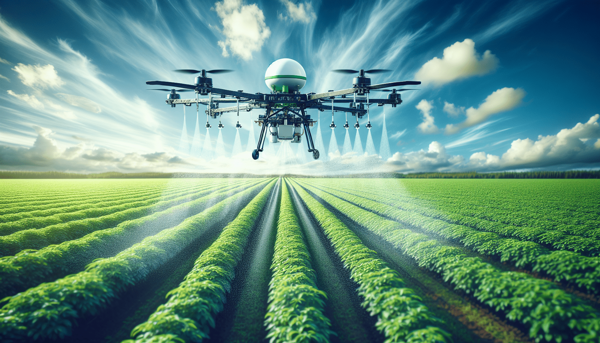
Over recent years, drone technology has significantly influenced agriculture, enabling farmers to apply pesticides, monitor crop health, and optimize their operations. Given this innovation, understanding the laws and regulations surrounding drone imports, including ISF, becomes even more crucial.
Benefits of Using Drone Sprayers
Using drone sprayers can save time and resources for farmers. They allow for precise application of chemicals and fertilizers, minimizing waste and ensuring that each crop receives the nutrients it needs. The efficiency gained through drone technology helps farmers to enhance productivity while also being environmentally responsible.
Conclusion
If you’re importing drone sprayers, it’s essential to understand your obligations concerning ISF filing. By staying informed and compliant, you’ll not only avoid penalties but also position yourself for success in the evolving landscape of agricultural technology. Remember, knowledge is power, and being proactive will help you navigate potential challenges smoothly.
In short, always consult with professionals when in doubt and keep yourself updated about import regulations. This diligence ensures that you can focus on what you do best: growing your agricultural business with the help of innovative technologies.