
Do I Have To File ISF For Noise Reduction Devices
Have you ever wondered if you need to file an Importer Security Filing (ISF) for noise reduction devices? This is a common question among importers and those involved in shipping, especially with the evolving regulations for imported goods. Understanding these requirements is crucial to ensure compliance and to avoid any potential penalties.

What is an Importer Security Filing (ISF)?
The Importer Security Filing, commonly referred to as ISF, is a set of documents required by U.S. Customs and Border Protection (CBP) for importers. This document provides vital information about your shipment before it arrives in the U.S. The goal of the ISF is to improve the security of cargo entering the United States and to enhance supply chain security.
Why is ISF Important?
Filing an ISF is important for a few key reasons:
-
Enhancing Security: The primary intent of the ISF is to strengthen border security. By supplying detailed information beforehand, CBP can better assess the risk associated with shipments.
-
Avoiding Penalties: Failure to file an ISF or filing it incorrectly can result in hefty fines. You want to avoid unnecessary costs that can arise from non-compliance.
-
Facilitating Smooth Customs Clearance: Properly filed ISFs aid in the smooth processing of shipments once they reach U.S. ports. This means timely delivery and reduced delays for you.
What Types of Products Require ISF Filing?
Understanding which products require ISF filing can clear up a lot of confusion. Generally, any goods being imported into the United States should have an ISF filed. However, specific items might come with additional requirements.
Noise Reduction Devices: Do They Need ISF?
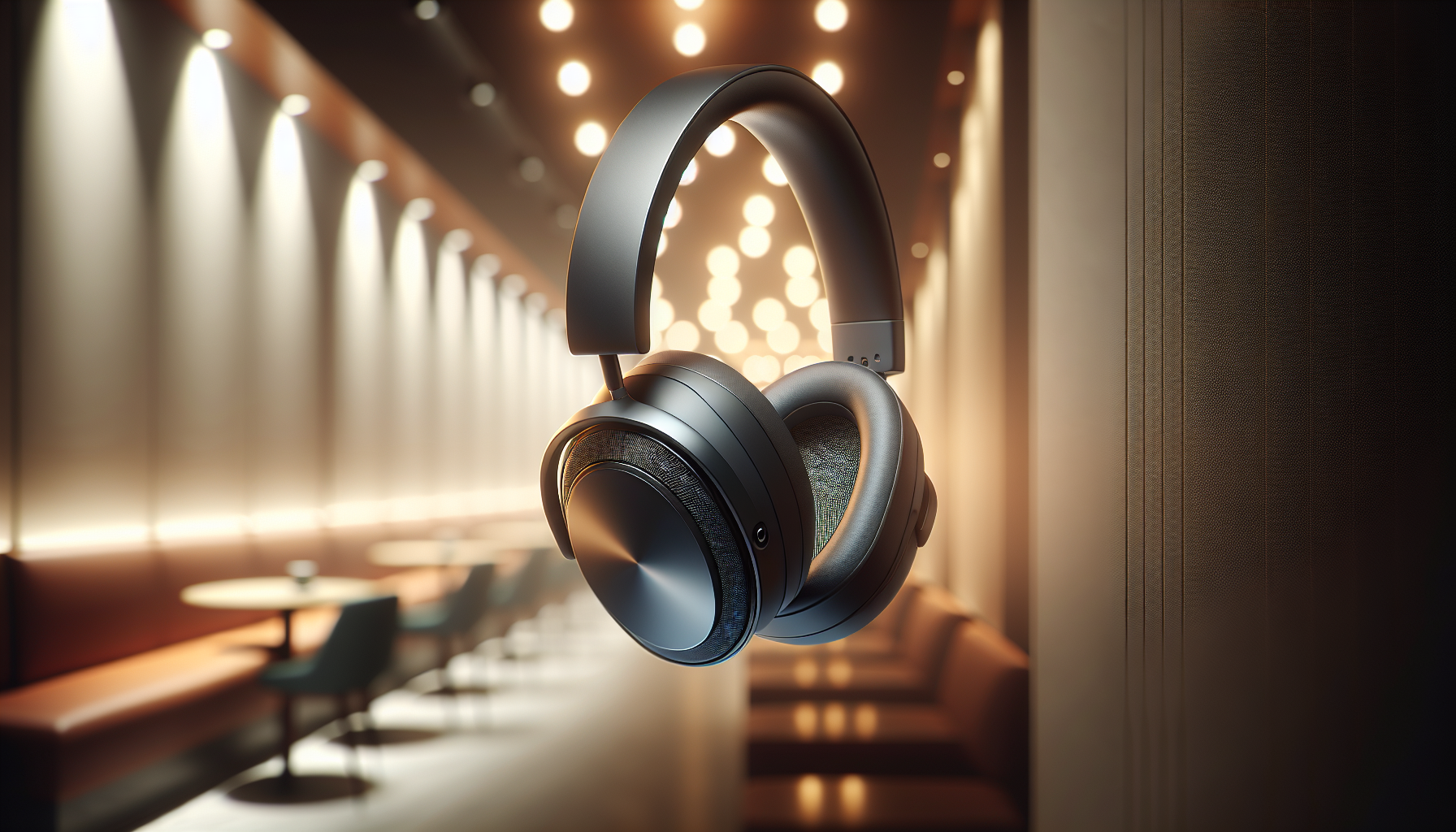
Now, let’s break down the specifics of noise reduction devices. These can include items like soundproofing materials, noise-canceling headphones, or other innovative technologies designed to reduce noise levels.
Classification of Noise Reduction Devices
The classification of these devices under the Harmonized Tariff Schedule (HTS) will determine whether an ISF is required. Often, noise reduction devices might fall under multiple classifications based on their materials and intended use. It’s always wise to consult the HTS for up-to-date information.
Filing Procedure for ISF
When you’ve determined that you need to file an ISF, it’s essential to know how to go about it. The ISF filing process includes several steps:
Step 1: Gather Information
Before you file, ensure you have all the necessary details. You need:
- Importer of Record Number (IOR): This is usually your company’s Employer Identification Number (EIN).
- Consignee Name and Address: The consignee is the entity that will receive the goods.
- Seller Information: This includes the name and address of the seller.
- Cargo Description: This should be detailed and accurate.
- HTS Code: As mentioned, the correct classification is crucial.
- Name of the Manufacturer: This includes their address and contact information.
- Origin of the Goods: Knowing where the goods are coming from is mandatory.
- Bill of Lading Number: This is a key document in shipping.
Step 2: Electronic Filing
You will need to file your ISF electronically through your customs broker or securely through the Automated Broker Interface (ABI). Ensure the information is accurate and matches the details provided on other shipping documents.
Step 3: Timing of Filing
ISF filings should typically be done at least 24 hours prior to the cargo being loaded onto the vessel destined for the U.S. This timing is critical to ensure compliance.
Consequences of Not Filing ISF
Not filing your ISF can lead to serious consequences. Here are some possible penalties and what they might mean for you:
| Consequence | Description |
|---|---|
| Monetary Penalties | You may face fines ranging from $500 to $5,000 per violation. |
| Increased Inspections | Non-compliance might lead to your shipments being subjected to closer scrutiny. |
| Cargo Delays | Without an ISF, your items could face significant delays at customs. |
| Potential Cargo Seizure | In extreme cases, the government may seize your goods. |
Common Questions About ISF and Noise Reduction Devices
It’s natural to have questions, especially concerning specific products. Let’s address some frequently asked queries related to ISF filings for noise reduction devices.
1. Can I File My ISF as an Individual?
Yes, as an individual, you can file your ISF, but it’s advisable to work with a customs broker to navigate the complexities of the filing process efficiently. This ensures that you comply with all legal requirements.
2. What if My Noise Reduction Device is Part of a Larger Shipment?
If your noise reduction device is included in a consolidated shipment with other products, you still need to file an ISF for the entire shipment. Comprehensive information about each product in the shipment is required.
3. Does the ISF Filing Have to Be Done Every Time?
Yes, you need to submit an ISF for each international shipment you import into the United States, regardless of whether those shipments include noise reduction devices or not.
4. What Happens If I Make a Mistake on My ISF?
If you realize you’ve made an error on your ISF after submission, it’s best to correct it immediately. Changes can often be made through your customs broker, who can assist you with the amendment process.
5. What If I’m Unsure About the Classification of My Product?
If you are uncertain about the correct HTS classification for your noise reduction devices, it’s best to consult with a customs expert or your broker. They can help guide you to avoid potential misclassification and penalties.
Alternatives to ISF Filing
In some instances, you might be wondering if there are alternatives to filing an ISF. Unfortunately, when it comes to importing goods into the U.S., you don’t have the option of skipping this crucial step.
Exceptions to the Rule
However, there are a few exceptions to the ISF filing rule, which include:
- Shipments of U.S. Government Goods: Certain government-related shipments may not require ISF.
- Personal Effects: Goods meant for personal use may not need an ISF in some cases.
When You Shouldn’t File ISF
As a general rule, if your noise reduction device is not being imported into the U.S., then no ISF is needed. Additionally, if goods are arriving from a country that has been exempted for certain reasons, this could also affect the requirement.
Conclusion
When it comes to importing noise reduction devices, understanding your responsibilities regarding ISF filing is crucial. Filing an ISF not only helps facilitate the smooth import of your goods but also keeps you compliant with U.S. laws, avoiding penalties and delays.
Always take the time to gather the necessary information and consult with a customs expert if you find yourself unsure about the requirements. By doing so, you can ensure that your imports move through customs as swiftly as possible, allowing you to focus on what really matters—your business.