
Does ISF Filing Apply To Goods Being Imported Under A Free Trade Agreement?
So, you’ve got goods that are being imported under a free trade agreement, and you’re wondering if the ISF filing applies in this case. Well, the answer to that question is a bit more nuanced than a simple yes or no. While goods imported under a free trade agreement are typically exempt from certain customs duties and trade restrictions, the requirement for ISF filing can still depend on the specific circumstances and regulations of the country you’re importing into. In this article, we’ll explore the factors that determine whether or not you need to file an ISF for goods imported under a free trade agreement, so you can navigate the import process with confidence.
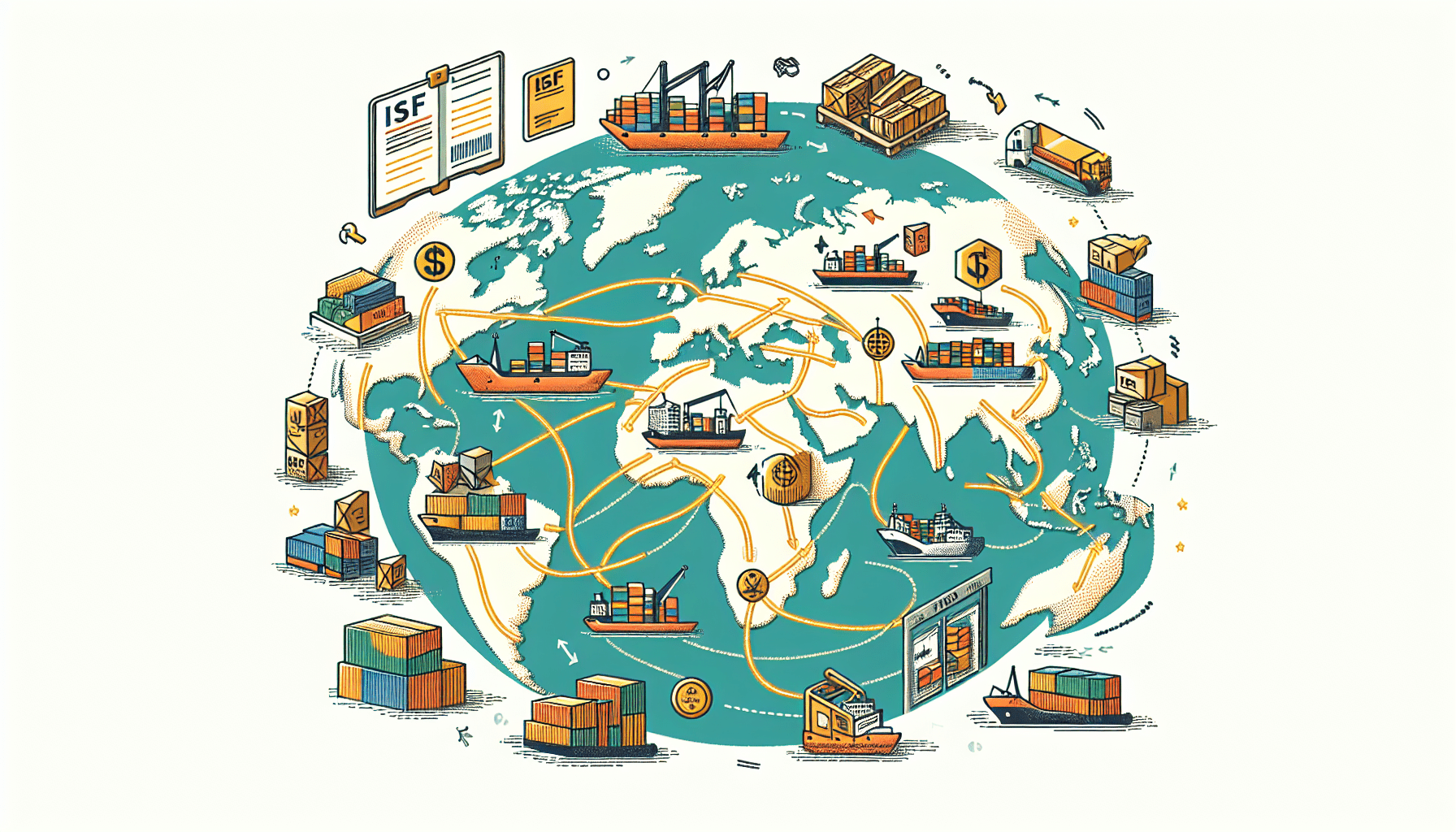

Definition of ISF filing
Explanation of ISF filing
ISF filing, short for Importer Security Filing, is a requirement imposed by the U.S. Customs and Border Protection (CBP) for shipments being imported into the United States. It is a crucial step in the customs clearance process that aims to enhance the security and efficiency of international trade. Essentially, ISF filing involves the submission of detailed information about the imported goods prior to their arrival in the country.
Purpose of ISF filing
The primary purpose of ISF filing is to allow CBP to assess and mitigate potential security risks associated with imported goods. By collecting timely and accurate information, the CBP can effectively identify any cargo that may pose a threat to national security. ISF filing acts as an early warning system, enabling the CBP to proactively address any issues or concerns before the goods enter the country. Additionally, ISF filing supports supply chain transparency and facilitates the smooth flow of trade by providing relevant data for risk analysis and cargo targeting.
Overview of free trade agreements
Explanation of free trade agreements
Free trade agreements (FTAs) are bilateral or multilateral agreements between countries that facilitate and promote trade by reducing or eliminating barriers to commerce, such as tariffs and quotas. These agreements are designed to foster economic growth and enhance market access for participating nations. FTAs typically encompass various sectors, including goods, services, and investments, aiming to create a more favorable business environment for businesses operating in the member countries.
Benefits of free trade agreements
There are numerous advantages of participating in free trade agreements. Firstly, FTAs enable exporters to expand their market reach by providing preferential access to foreign markets with reduced or eliminated tariffs. This helps businesses compete more effectively and increase their export volumes. Secondly, consumers can enjoy a wider range of goods at lower prices due to the elimination of import duties. FTAs also encourage foreign direct investment, as they provide more secure and predictable conditions for businesses to operate across borders. Lastly, free trade agreements enhance economic cooperation, foster diplomatic relationships, and promote stability among member countries.
Importing goods under a free trade agreement
Explanation of importing goods under a free trade agreement
Importing goods under a free trade agreement often brings additional benefits compared to importing from countries outside the agreement. When importing under an FTA, importers may be eligible for tariff reduction or elimination, meaning they can import goods more cost-effectively. This advantage arises from the preferential treatment granted to goods originating from countries participating in the FTA. However, importing under an FTA requires compliance with specific rules of origin, which determine whether goods qualify for the preferential treatment offered by the agreement.
Tariff reduction or elimination
One of the main advantages of importing goods under a free trade agreement is the potential for tariff reduction or elimination. Tariffs, also known as import duties, are taxes imposed on imported goods. FTAs often lower or eliminate these tariffs, making the imported goods more affordable for the consumer. The extent of tariff reduction or elimination varies depending on the specific agreement and the goods being imported. It is important for importers to understand the applicable tariff rates and the rules governing their eligibility for preferential treatment.
Rules of origin
To benefit from the tariff preferences offered by free trade agreements, importers must comply with rules of origin. These rules establish the criteria for determining the country of origin of a product and whether it meets the agreed-upon requirements to qualify for preferential treatment. The rules of origin consider factors such as the percentage of local content, the transformation undergone in the exporting country, and the use of materials sourced from outside the participating countries. It is crucial for importers to accurately determine the origin of their goods and adhere to the rules of origin to take advantage of the benefits provided by a free trade agreement.


ISF filing requirements for imported goods
Understanding ISF filing requirements
ISF filing requirements apply to all goods being imported into the United States, regardless of whether they are subject to a free trade agreement or not. Importers are responsible for accurately completing the Importer Security Filing, which consists of specific information regarding the imported goods, their transportation, and the parties involved. The ISF must be filed electronically with the CBP before the goods are loaded onto the vessel heading to the United States.
Determining if ISF filing applies
Importers must assess whether ISF filing is necessary for their imported goods. While ISF filing is a general requirement for all imports, there are limited exceptions to this rule. For example, certain shipments, such as goods transported by international mail or goods imported into the U.S. territory of Puerto Rico, are exempt from ISF filing. It is essential for importers to understand the specific circumstances and exceptions that apply to their imports to ensure compliance with the ISF filing requirements.
Exemptions from ISF filing
Goods exempt from ISF filing
Despite the general requirement of ISF filing for most imports, there are certain goods that are exempt from this filing requirement. These exemptions primarily apply to low-value shipments or specific types of goods that are subject to alternate filing procedures. For instance, goods valued at or below $800, known as de minimis shipments, are exempt from ISF filing. Additionally, goods transported by air under the International Civil Aviation Organization (ICAO) Accord or transported by U.S. military aircraft are also exempt.
Specific exemptions for goods under a free trade agreement
When importing goods under a free trade agreement, specific exemptions from the ISF filing requirements may apply. These exemptions aim to streamline the import process for eligible goods and reflect the cooperation and simplification measures included in the trade agreement. The specific exemptions vary depending on the agreement in place and must be carefully reviewed to determine whether ISF filing is mandatory for the goods being imported.
ISF filing process
Step-by-step guide to ISF filing
To ensure compliance with ISF filing requirements, importers need to follow a step-by-step process. Firstly, importers must gather and verify the necessary information about the imported goods, including details about the manufacturer, consignee, and the ultimate consignee. This information is crucial for completing the ISF accurately. Secondly, importers must electronically file the ISF with the CBP prior to the departure of the vessel carrying the goods. The filing is typically done by the importer or their authorized agent, such as a licensed customs broker. Finally, importers must monitor the status of their ISF filing to ensure any changes or updates are promptly communicated to the CBP.
Required information and documentation
To successfully complete the ISF filing, importers must provide various information and documentation. The required information includes vessel information, such as the carrier code, voyage number, and estimated arrival date, as well as cargo information, such as the description of the goods, the harmonized system (HS) code, and the piece count. Additionally, importers must provide details about the seller, buyer, and parties involved in the transportation of the goods. While a unique bill of lading number is not required for ISF filing, importers must provide an internal transaction number (ITN) issued by the Automated Broker Interface (ABI) system.
Filing deadlines
Importers must ensure compliance with the filing deadlines to avoid penalties and delays in their cargo clearance. Generally, the ISF must be filed no later than 24 hours before the vessel’s departure to the United States. However, it is important to note that the exact deadline may vary depending on the specific port and the carrier’s requirements. Importers should consult the CBP guidelines and consider any additional local or carrier-specific requirements to meet the applicable filing deadline.

Consequences of non-compliance with ISF filing
Penalties for non-compliance
Failure to comply with the ISF filing requirements can result in significant penalties imposed by the CBP. These penalties can range from monetary fines to delays in cargo clearance and potential shipment holds. The CBP takes non-compliance seriously as it undermines the integrity of the import process and limits the effectiveness of security measures. Importers must be diligent in meeting their ISF filing obligations to avoid costly penalties and disruptions to their supply chain.
Impact on clearance and release of goods
Non-compliance with ISF filing requirements can have a direct impact on the clearance and release of imported goods. The CBP may place a hold on shipments that do not have a valid ISF on file, preventing the cargo from clearing customs and being released for delivery. This can lead to delays, storage charges, and additional costs for importers. The clearance process may also be subject to increased scrutiny, resulting in potential inspections or examinations of the goods. By complying with ISF filing requirements, importers can help ensure the smooth and timely release of their goods.
Customs compliance under a free trade agreement
Importance of customs compliance
Maintaining customs compliance is essential when importing goods under a free trade agreement. By adhering to the customs regulations and requirements, importers can take full advantage of the benefits offered by the FTA and avoid potential penalties or disputes. Customs compliance involves accurately completing and submitting the necessary documentation, paying the correct duties and taxes, and adhering to the rules and regulations governing imports. It is crucial for importers to understand and fulfill their customs compliance obligations to effectively navigate the import process under a free trade agreement.
Verification procedures for goods
To verify compliance with the rules of origin and determine eligibility for preferential treatment, customs authorities may conduct various verification procedures. These procedures aim to verify the accuracy and validity of the information provided by importers regarding the origin of the goods. Verification may involve document reviews, audits, inspections, or visits to the manufacturing facilities to ensure that the goods meet the agreed-upon criteria. Failure to pass the verification process may lead to the loss of preferential treatment and the imposition of additional duties or penalties. Importers must maintain detailed records and be prepared to provide supporting documentation if requested by customs authorities.
ISF filing for goods subject to other trade restrictions
Additional requirements for goods subject to other trade restrictions
In addition to ISF filing, goods subject to other trade restrictions may be subject to additional requirements. These restrictions can include licensing requirements, quotas, embargoes, or specific regulations related to certain industries or products. Importers must carefully assess whether their goods fall under any of these trade restrictions and ensure compliance with the applicable regulations in addition to the ISF filing requirements. Such compliance benefits both the importer and the country of destination, as it helps maintain national security, protect intellectual property, and ensure fair competition.
Integration with ISF filing
When goods are subject to both ISF filing requirements and other trade restrictions, such as those imposed by regulatory agencies like the Food and Drug Administration (FDA), the ISF filing process should be synchronized and integrated with the additional compliance measures. Importers must ensure that all the necessary information and documentation required for customs compliance under the free trade agreement and the specific trade restrictions are provided accurately and in a timely manner. A thorough understanding of the rules and regulations governing the imported goods is essential to achieve successful compliance and facilitate the smooth flow of trade.
Conclusion
Summary of ISF filing and the free trade agreement
ISF filing is a mandatory requirement for all goods being imported into the United States, regardless of whether they are subject to a free trade agreement. It serves to enhance security, facilitate trade, and provide valuable information to the CBP. When importing goods under a free trade agreement, importers may benefit from tariff reduction or elimination, provided they comply with the rules of origin. However, it is important to understand the specific requirements and exemptions that apply to ensure compliance with ISF filing.
Importance of understanding ISF filing requirements
Understanding and complying with ISF filing requirements is crucial for importers to avoid penalties, delays, and disruptions in the clearance process. Importers should familiarize themselves with the specific ISF filing requirements applicable to their goods, including any exemptions or additional compliance measures. By maintaining customs compliance and accurately completing the ISF, importers can successfully navigate the import process, take advantage of the benefits offered by free trade agreements, and contribute to the smooth and secure flow of international trade.
