
How And When To File ISF For Other Ski Products
My Experience Filing ISF for Other Ski Products
I never realized how important it was to file an ISF (Importer Security Filing) for my ski products until I encountered some issues with customs. If you’re unsure about how and when to file an ISF for your ski equipment, don’t worry—I’m here to share my experience and help you navigate the process.
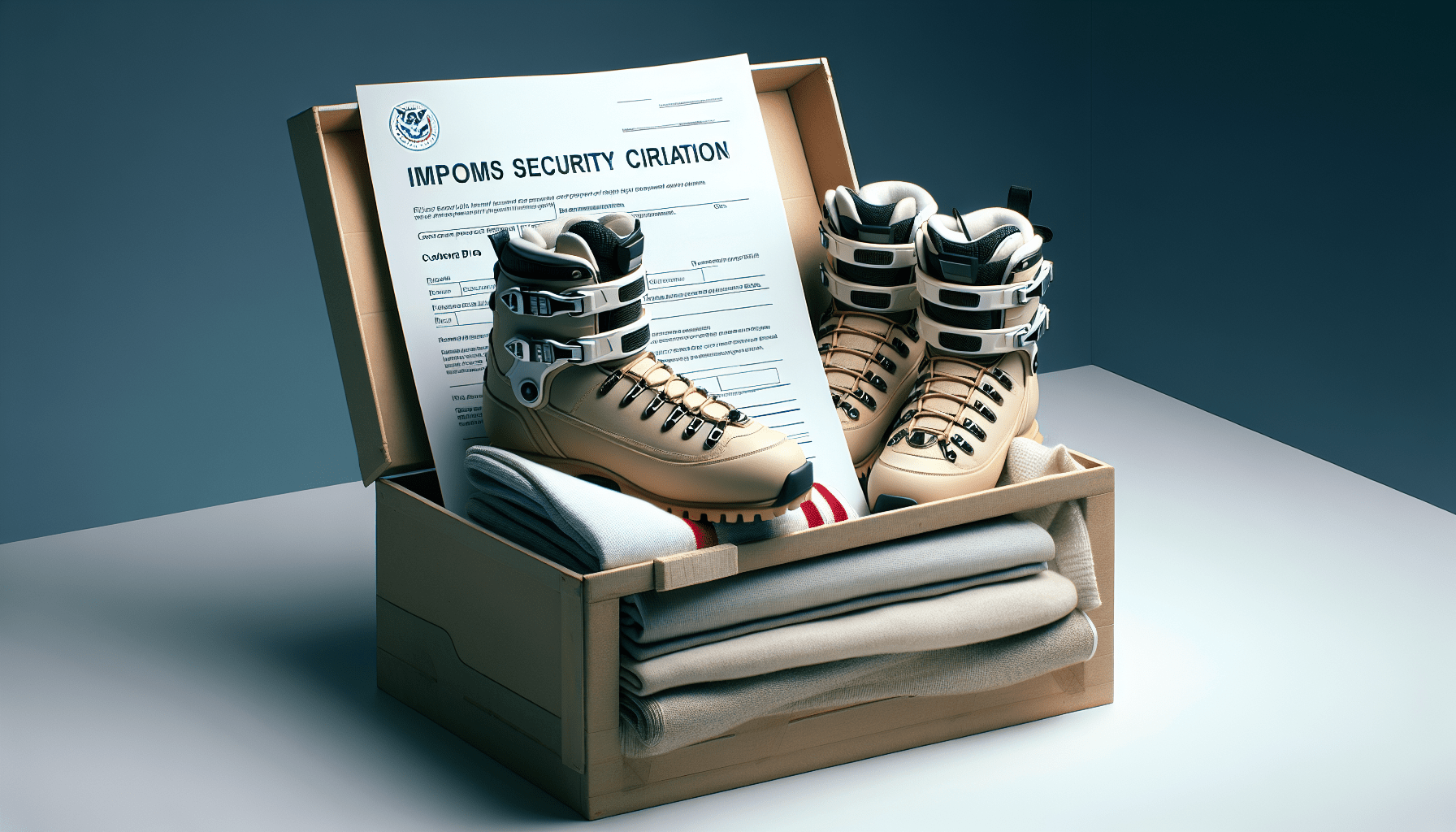
What is ISF and Why is it Important for Ski Products?
ISF, also known as 10+2, is a requirement by U.S. Customs and Border Protection (CBP) for all shipments entering the United States by vessel. It is a mandatory electronic filing that provides information about the cargo being imported, including details about the shipper, consignee, and goods.
When it comes to ski products, filing an ISF is crucial to ensure a smooth customs clearance process. Without a properly filed ISF, your ski equipment could be delayed at the port or even refused entry into the country. Trust me, you don’t want to deal with the headache of having your beloved ski gear held up at customs.
Understanding the Components of ISF for Ski Products
Filing an ISF for ski products involves providing specific information about your shipment. Here are some key components you need to be aware of:
- House Bill of Lading (HBL): This document contains information about the shipper, consignee, and details of the cargo being imported.
- Manufacturer or Supplier Information: You’ll need to provide details about the manufacturer or supplier of your ski products.
- Country of Origin: It’s important to specify the country where your ski equipment was manufactured.
- Importer of Record (IOR): This is the party responsible for ensuring compliance with all customs regulations.
As a ski enthusiast, understanding these components is essential to successfully file an ISF for your ski products.

When to File ISF for Ski Products
Timing is crucial when it comes to filing ISF for your ski products. Here are some key points to keep in mind:
- File at Least 24 Hours Before Departure: ISF must be filed at least 24 hours before the cargo is loaded onto the vessel at the port of origin.
- Advance Notice of Arrival (NOA): The ISF must be filed before the vessel departs so that CBP has advance information about the incoming cargo.
- Late Filings: If you fail to file the ISF on time, you may face penalties, delays in customs clearance, and possible holds on your shipment.
Don’t wait until the last minute to file your ISF for ski products. Stay ahead of the game and ensure a smooth import process by adhering to the timing requirements.
How to File ISF for Ski Products
Filing an ISF for your ski products may seem daunting, but it doesn’t have to be. Here’s a step-by-step guide to help you navigate the process:
- Gather Required Information: Collect all necessary details about your shipment, including HBL, manufacturer information, country of origin, and IOR details.
- Choose an Filing Option: You can file ISF on your own through the Automated Broker Interface (ABI) or enlist the services of a licensed customs broker to assist you.
- Submit the ISF Form: Fill out the ISF form electronically with accurate information and submit it before the deadline.
- Receive Confirmation: Once the ISF is successfully filed, you will receive a confirmation with a unique reference number for tracking purposes.
By following these steps, you can ensure that your ski products are in compliance with CBP regulations and ready for a smooth customs clearance process.
Common Mistakes to Avoid When Filing ISF for Ski Products
As someone who has gone through the process of filing ISF for ski products, I’ve learned a few valuable lessons along the way. Here are some common mistakes to avoid:
- Inaccurate Information: Make sure to double-check all details on your ISF form to ensure accuracy and prevent delays.
- Late Filings: Missing the 24-hour deadline can lead to penalties and shipment holds, so be proactive in filing your ISF.
- Failure to Update: If there are any changes to your shipment information, make sure to update your ISF accordingly to avoid compliance issues.
By being aware of these common mistakes, you can streamline the ISF filing process and avoid unnecessary headaches with customs.
The Benefits of Filing ISF for Ski Products
Filing an ISF for your ski products may seem like a hassle, but the benefits far outweigh the inconvenience. Here are some advantages of complying with ISF requirements:
- Smooth Customs Clearance: By filing ISF in a timely manner, you can prevent delays and ensure a seamless customs clearance process.
- Compliance with Regulations: Staying on top of ISF requirements demonstrates your commitment to following customs regulations and avoiding penalties.
- Peace of Mind: Knowing that your ski products are in compliance with CBP rules can provide peace of mind and reduce stress during the import process.
Don’t overlook the importance of filing ISF for your ski products. The benefits of compliance far outweigh any challenges you may encounter along the way.

Conclusion
Navigating the process of filing ISF for ski products can be daunting, but with the right information and guidance, you can ensure a smooth import process. By understanding the requirements, timing, and steps involved in filing ISF, you can avoid customs delays and ensure that your ski gear arrives safely at its destination.
Remember, filing ISF is not just a checkbox—it’s a crucial step in importing your ski products legally and efficiently. So, don’t wait until the last minute to file your ISF. Stay informed, stay proactive, and enjoy your skiing adventures without worrying about customs issues.