
How And When To File ISF For Safety Shoes
Have you ever found yourself pondering the best ways to ensure compliance while importing safety shoes? Filing an Importer Security Filing (ISF) can seem daunting at first, but understanding how and when to do it can make the process much smoother. Let’s break down the essentials together to give you a clearer path forward.
What is an Importer Security Filing (ISF)?
ISF, commonly known as the 10+2 regulation, requires importers to provide specific information to U.S. Customs and Border Protection (CBP) for cargo arriving in the United States. This filing aims to enhance safety and security while facilitating international trade. You need to provide your ISF information at least 24 hours prior to the departure of your cargo.
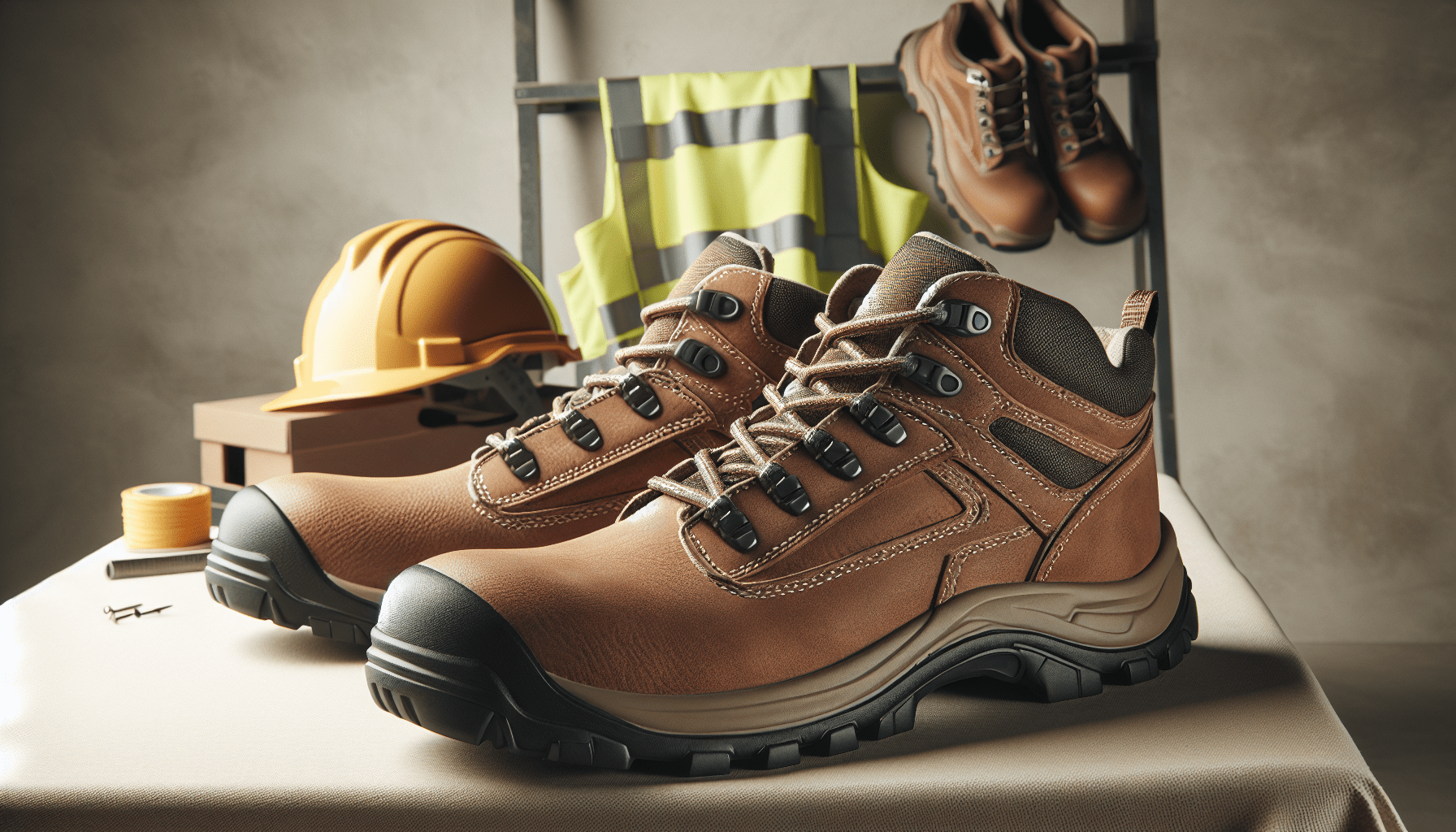
Safety shoes, being crucial safety equipment for many industries, are subject to this regulation, just like other imported goods. It’s your responsibility to ensure that the filing is accurate, as errors could lead to costly delays or fines.
Why is the ISF Important for Safety Shoes?
Understanding the importance of ISF for safety shoes can save you from potential headaches later. When you file an ISF correctly, it ensures timely customs clearance and reduces the risk of cargo being held or rejected upon arrival. Moreover, adhering to ISF requirements demonstrates compliance with federal regulations, fostering a good standing with customs authorities.
Key Information Required for ISF Filing
Filing an ISF involves submitting ten crucial data elements—hence the name “10+2.” Here’s a breakdown of the information you need to provide:
| Data Element | Description |
|---|---|
| 1. Importer of Record | The name and address of the entity that is responsible for the importation. |
| 2. Consignee | Entity to whom the goods are being shipped. |
| 3. Manufacturer | Name and address of the manufacturer of the shoes. |
| 4. Seller | Name and address of the seller of the cargo. |
| 5. Ship to Party | Where the goods are being shipped to. |
| 6. Country of Origin | Where the shoes are manufactured. |
| 7. Commodity HTS code | Harmonized Tariff Schedule code applicable for safety shoes. |
| 8. Container stuffing location | Location where the shoes will be stuffed into the container. |
| 9. Consolidator | If applicable, the individual or company consolidating the cargo. |
| 10. Importer Security Filing (ISF) number | Unique identifier for tracking your ISF submission. |
Each of these elements is critical, as any missing or incorrect information can delay the release of your goods.
When to File ISF for Safety Shoes
Timing is everything in international shipping. For safety shoes, you should file your ISF at least 24 hours before the cargo departs from the foreign port. If you fail to submit your ISF on time, your shipment may face penalties or, worse, be delayed at the port of entry.
Understanding the 24-Hour Rule
The 24-hour rule is a crucial aspect of the ISF process. It requires you to submit your ISF information to CBP before your cargo leaves the foreign terminal. Here’s how the timing works:
- Cargo Departure: Calculate when your cargo is expected to depart—this is usually provided by your freight forwarder or shipping line.
- ISF Submission: Ensure that your ISF is submitted to CBP no less than 24 hours prior to this departure to comply with regulations.
Delays in filing can lead to enforcement actions, so make sure you’re on top of your schedule.
Steps to File Your ISF for Safety Shoes
Filing your ISF doesn’t have to be complicated. Here’s a step-by-step guide to help you through the process:
Step 1: Gather Necessary Information
Before you can file your ISF, make sure you have all the necessary information at hand. This can include contracts, invoices, and shipping details related to your safety shoes.
Step 2: Choose Your Filing Method
You have options when it comes to filing your ISF. Here are the most common methods:
- Directly with CBP: You can file directly through CBP’s Automated Manifest System (AMS) if you have the capability.
- Using a Customs Broker: Many importers prefer to engage a licensed customs broker to handle ISF filing. This option can minimize errors and streamline the process.
- Utilizing Freight Forwarders: Some freight forwarders also offer ISF filing services as part of their shipping arrangements.
Step 3: Complete the Filing
Once you’ve chosen your filing method, input all required data accurately. If you’re using software for the submission, double-check that each field is filled correctly to prevent rejections.
Step 4: Monitor Status
After you submit your ISF, keep an eye on its status. You can often do this through the platform you used to file. Be proactive about catching any issues that might arise.
Step 5: Keep Records
Maintaining records of your ISF submissions is essential. You should retain these documents for at least five years in case of any audits or inquiries from CBP.
Common Mistakes to Avoid When Filing ISF
Filing can be a tricky endeavor, and mistakes can happen. Here are some common pitfalls to steer clear of:
Misunderstanding Data Requirements
Ensure you double-check that you understand what each data element requires. Mistakes due to misunderstanding can lead to significant delays.
Last-Minute Filings
Avoid filing your ISF close to the 24-hour deadline. To keep stress levels down, aim to file a few days in advance if you can gather all information promptly.
Inaccurate Information
Double-check all inputs for typos or inaccuracies. Incorrect information can lead to penalties or cargo delays.
The Consequences of Not Filing ISF Correctly
Not taking your ISF filing seriously can result in several unwanted consequences:
Delays at Customs
If your ISF is not filed correctly or not filed at all, your shipment may face delays. Customs will not release cargo until all necessary information is provided.
Fines and Penalties
Failure to comply with ISF regulations can lead to fines, which might escalate with repeated offenses. Financial penalties can seriously impact your business’s bottom line.
Loss of Cargo
In severe cases, improper ISF filings can lead to cargo being seized or rejected, leading to potential loss of goods and revenue.
Best Practices for Filing ISF for Safety Shoes
Staying organized and on schedule can make your ISF filing process much smoother. Here are some best practices to adopt:
Stay Informed
Keep up to date with ISF regulations and guidelines. Regularly checking CBP’s website or resources can help you stay ahead.
Work with Professionals
If you find the process overwhelming, don’t hesitate to work with a customs broker or a freight forwarder experienced in ISF filings. Their expertise can be invaluable in ensuring compliance.
Use Software Tools
Various software tools can help simplify the ISF filing process. Look for one that integrates smoothly with your existing systems.
Build a Checklist
Creating a checklist for your ISF requirements can help ensure you don’t miss any elements. Check each item off as you prepare your submission.
How to Stay Compliant Long-Term
Once you’ve successfully filed your ISF, it’s important to keep compliance as an ongoing focus. Here are a few ways to maintain compliance in the long term:
Regular Training
If you have a team handling imports, consider regular training sessions on ISF filings and responsibilities. Keeping your team informed can help minimize errors.
Review Practices
Evaluate your ISF filing practices regularly. Assess what’s working and where improvements can be made. Sticking to a system can help catch issues early.
Conduct Audits
Periodic audits of your ISF compliance can identify any discrepancies and enhance your filing accuracy. You’ll get better at spotting errors and increase your overall efficiency.
Conclusion
Filing an ISF for safety shoes may seem intimidating initially, but with careful preparation, attention to detail, and proactive planning, you can navigate these waters successfully. Remember the importance of timely and accurate filing—doing so will protect your shipments, save you from penalties, and ensure smooth operations moving forward.
By staying informed, refining your processes, and keeping communication lines open with your customs broker or freight forwarder, you can efficiently manage your ISF filings and be confident that your safety shoes will arrive without issues. Remember to keep smiling through the process; efficient compliance is something you can certainly achieve!