
How Can I Avoid ISF Penalties For Treadmills
Are you importing treadmills and need a clear, practical plan to prevent ISF penalties?
How Can I Avoid ISF Penalties For Treadmills
You will need a reliable process for filing the Importer Security Filing (ISF) correctly and on time when bringing treadmills into the United States by ocean vessel. This article gives you start-to-finish guidance, compliance tips, and answers the specific question of how to avoid ISF penalties for treadmills. It combines expertise depth, a user-journey completion approach, fresh perspective value, and coverage of edge cases so you can manage risk and keep your shipments moving.
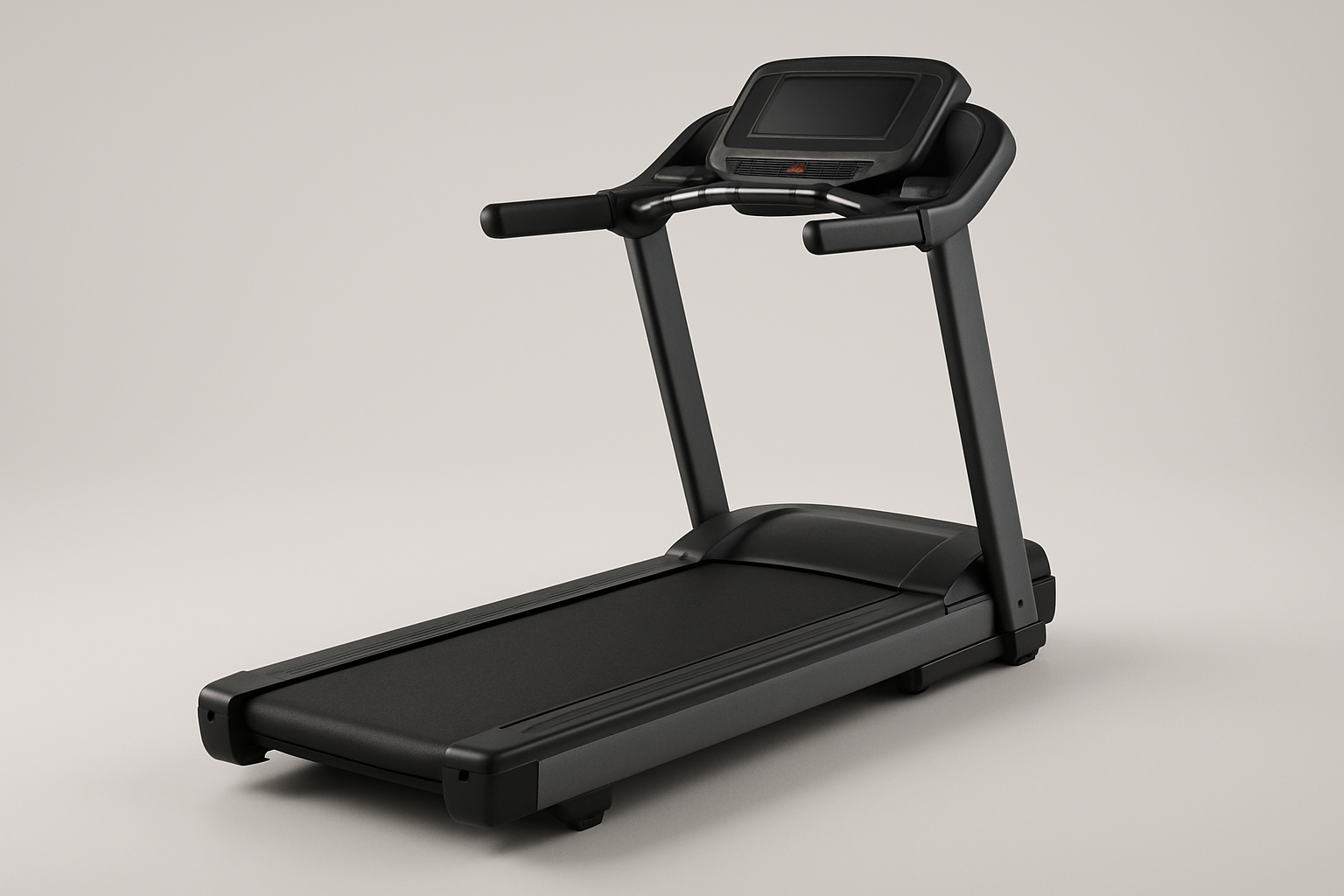
What ISF is and why it matters to your treadmill shipments
ISF, also called “10+2,” is the U.S. Customs and Border Protection (CBP) requirement to submit certain cargo data before a vessel departs a foreign port for the United States. You are responsible for providing accurate ISF data for ocean imports. Failure to file timely or accurately can expose you to civil penalties, delayed clearance, and detention of goods. For treadmills — which are often high-value, bulky, and may contain electronics or lithium batteries — these consequences can be significant.
Core ISF concepts you must understand
You should be familiar with these basic requirements:
- Filing deadline: ISF must be submitted at least 24 hours before the vessel departs the foreign port.
- Required data elements: The “10” importer-provided elements (seller, buyer, importer of record number, consignee, manufacturer/shipper, ship-to party, country of origin, HTSUS commodity code, container stuffing location, and consolidator) plus the “2” carrier elements (vessel stow plan and container status messages).
- Filing method: ISF is filed electronically through the Automated Commercial Environment (ACE) via your customs broker, an ISF service provider, or directly if you have access.
- Accuracy and amendments: You must ensure the ISF remains accurate; if information changes or was incorrect, you must submit an amendment as soon as possible.
- Recordkeeping: Maintain supporting records for the period required by CBP (typically five years).
How penalties arise and typical consequences
Penalties typically arise from:
- Late filing (after the 24-hour deadline or not filed at all).
- Submission of incorrect, incomplete, or false data.
- Failure to file separate ISFs when required (e.g., per-container requirements). Consequences you may face include:
- Civil monetary penalties (CBP assesses civil penalties on a case-by-case basis; historically, penalties have been in the thousands of dollars per violation).
- Release denial or hold of the container, causing demurrage/storage and supply chain delays.
- Increased scrutiny on subsequent shipments, leading to exams and detention.
Start-to-finish process to avoid ISF penalties for treadmills
Follow this end-to-end checklist to minimize risk across the full lifecycle of an imported treadmill shipment.
-
Pre-order stage — establish roles and documentation requirements
- Identify your importer of record (IOR) and confirm the EIN/SSN/DUNS that will be used.
- Decide who will file ISF (you, your customs broker, or an ISF filing service).
- Specify contract terms that allocate responsibility for accurate commercial data (seller vs. buyer obligations).
- Require the foreign manufacturer/supplier to provide complete manufacturer information, country of origin, and packing details early.
-
Order and production stage — gather the required ISF data early
- Request the following from the vendor at order confirmation:
- Exact legal name and full address of the manufacturer/shipper.
- Country of origin for the treadmill and major components.
- HTSUS commodity description or suggested tariff classification.
- Container stuffing location (address where goods will be stuffed).
- Identity of the seller and buyer on the commercial invoice.
- Consolidator or freight forwarder information if LCL or consolidated shipments are used.
- Check whether any parts (e.g., lithium batteries, motors) are subject to special regulatory rules.
- Request the following from the vendor at order confirmation:
-
Booking and pre-carriage stage — lock down shipment identifiers
- Assign and confirm the booking number, carrier booking reference, and expected vessel/voyage.
- Confirm container numbers (if known) and whether the shipment will be FCL or LCL — ISF is per container for ocean imports, so each container must be properly reported.
- Provide accurate weight and measure and mark/number details.
-
24-hours-before-departure window — the critical ISF filing step
- File ISF no later than 24 hours before the vessel departs the foreign port. You should allow extra time for corrections or carrier-related delays.
- Ensure the ISF includes the required 10 importer elements. Common treadmill-specific items to verify:
- Manufacturer name and full address (do not use a generic term such as “factory”).
- Container stuffing location: where the treadmill was physically stuffed (not just a port name).
- Commodity HTSUS: work with your customs broker to choose the correct HTS for treadmills and disclose whether the goods are fully assembled, disassembled, or shipped as parts.
- Review the ISF to ensure correct importer of record number and consignee details.
-
Post-filing monitoring and communication
- Monitor ACE/ISF status for acceptance or rejection. Promptly address any rejections and refile a corrected ISF.
- Track vessel departure and arrival to confirm the ISF timeline matched reality.
- Communicate with your broker or ISF service provider about any container substitutions, stuffing changes, or other events that require amendments.
-
Arrival and release — be prepared for secondary issues
- Ensure duty bonds and applicable entry documents are ready so customs release is not delayed for administrative reasons unrelated to ISF.
- If CBP selects your shipment for examination, have packing lists, invoices, and manufacturer declarations ready for inspection.
-
Post-release compliance — record retention and lessons learned
- Retain all ISF-related documentation for the required period.
- Review any penalty notices, shipments held, or operational breakdowns and update your internal processes to prevent recurrence.
Documentation checklist for treadmill ISF compliance
You should require and confirm the following documents and data points before ocean departure:
- Commercial invoice with seller and buyer identification.
- Manufacturer name and full address (street address required).
- Country of origin for the treadmill and major components.
- Packing list showing SKU, number of cartons, gross/net weight.
- Container stuffing location (precise address).
- HTSUS classification (work with broker to confirm).
- Importer of Record number (EIN/SSN) and ultimate consignee.
- Consolidator or freight forwarder identity (for LCL).
- Any declarations for special items (e.g., electrical components, batteries).
- Evidence of any product testing or compliance certificates if applicable.
Commodity classification and valuation — treadmill-specific tips
Correct HTS classification reduces the chance of ISF mismatches and trade remedy surprises:
- Treadmills are generally classified as fitness equipment. You should work with a customs broker or tariff specialist to identify the exact HTS subheading.
- If you import treadmill parts (frames, motors, consoles) separately or in a kit, classify and report the HTS for the commodity as packed. Misclassification or inconsistent HTS between ISF and entry can trigger follow-up and potential penalties.
- Declare the correct value and currency on invoice and entry. Understating value to reduce duties can lead to severe penalties beyond ISF issues.
Manufacturer and supply chain identity — why precision matters
You must name the exact manufacturer/shipper and provide the physical address used for the container stuffing location:
- Do not substitute generic names or addresses. CBP often uses the manufacturer address to verify the supply chain and origin.
- If a third-party warehouse or consolidator physically stuffed the container, that facility address is the required container stuffing location.
- For consolidated shipments, ensure the consolidator name and address is provided; misreporting consolidator information is one of the most common ISF errors.
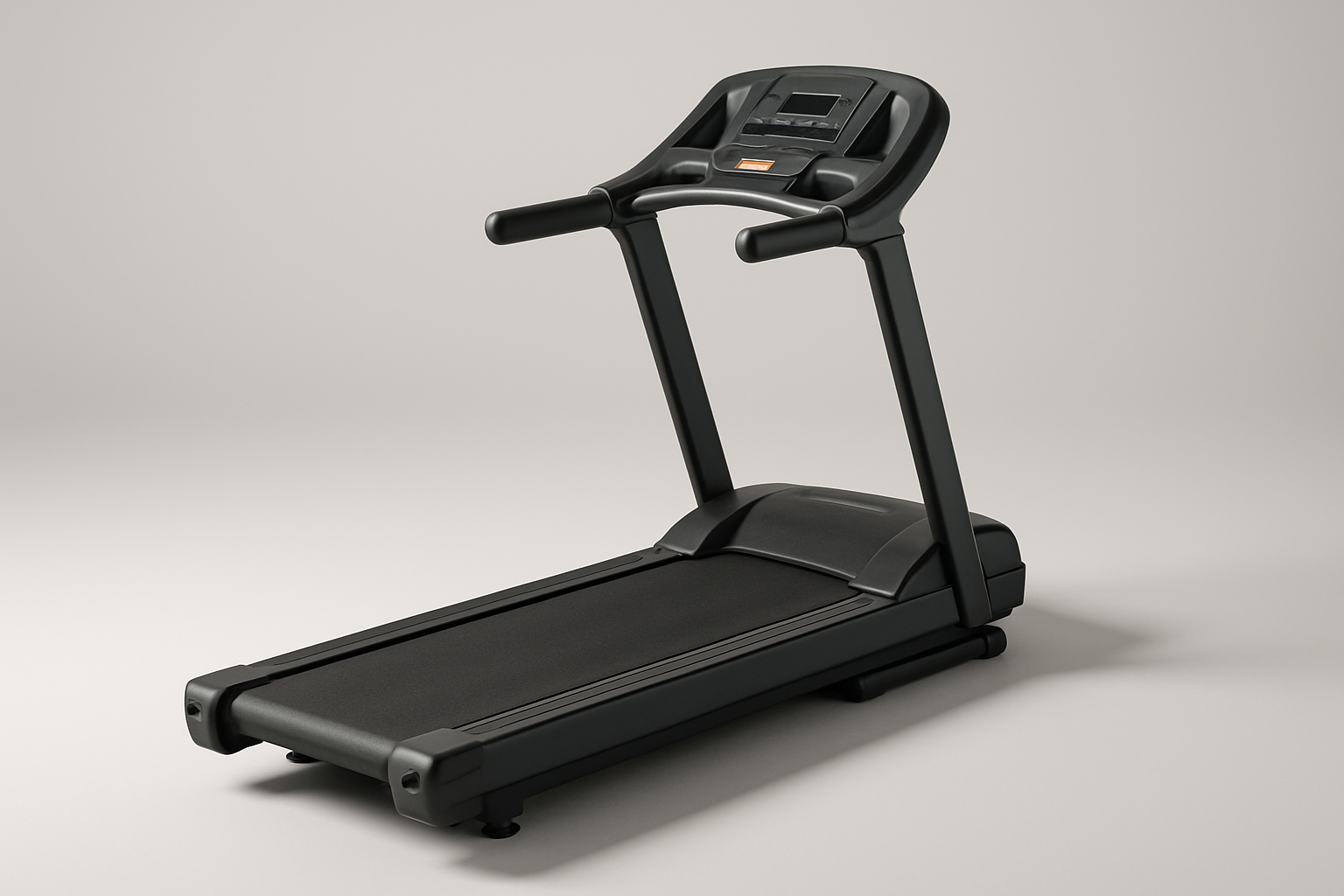
Special cases for treadmills: batteries, electronics, and used equipment
Treadmills may include electronic consoles, motors, or batteries. Each raises specific compliance needs:
- Lithium batteries: If the treadmill or accessories contain lithium batteries (especially lithium-ion), classify and declare them correctly. There are safety, packaging, and documentation rules for transporting lithium batteries by sea. You must coordinate with your carrier and freight forwarder early.
- Electrical components: Some components may be subject to import safety standards or certification (e.g., electromagnetic compatibility for certain consoles). Keep documentation available to speed inspections.
- Used or refurbished treadmills: Used goods may have different duty treatment and may require additional documentation. Make clear declarations and maintain proof of prior use or refurbishment.
- Parts and kits: When treadmills are shipped as kits or disassembled, provide accurate HTS and description so ISF and entry match.
Common ISF filing errors to avoid (specific to fitness equipment)
You should watch out for these frequent mistakes that lead to penalties or delays:
- Using generic or incorrect manufacturer names such as “Factory” or abbreviations.
- Supplying an incorrect container stuffing location (e.g., reporting a port rather than the stuffing warehouse).
- Failing to file for each container when multiple containers are associated with a single booking.
- Filing the wrong HTS commodity or omitting the HTS completely.
- Late filing due to relying on incomplete vendor data or last-minute stuffing changes.
- Not filing amendments promptly when required.
How to correct mistakes and mitigate penalties
If you discover an ISF error or receive a CBP notice, take these steps:
- Immediately submit an ISF amendment through ACE with the corrected information.
- Document the reason for the change and maintain supporting evidence (emails, manifests, packing records).
- Respond promptly to any CBP inquiry and provide requested documents.
- If CBP assesses a penalty, evaluate whether reasonable care or mitigating circumstances can be demonstrated; consult your customs broker or legal counsel about voluntary disclosures or protests.
Penalty mitigation strategies
You can reduce the likelihood and severity of penalties by doing the following:
- Establish clear contractual responsibilities with suppliers and freight service providers for timely and precise data.
- Use a licensed customs broker or ISF filing specialist to ensure proper filings and to provide access to ACE.
- Implement standard operating procedures and checklists for ISF information collection.
- Train procurement and logistics staff to request required data at purchase order stage.
- Use continuous bonds instead of single-entry bonds when you import regularly; this reduces administrative friction at entry and often simplifies release.
- Maintain an audit trail for every shipment to demonstrate compliance efforts.
Choosing the right partners and tools
Work with providers that understand the ISF process and treadmill-specific risks:
- Consider outsourcing ISF filing to a reputable provider who guarantees timely filing and has experience with fitness-equipment shipments.
- Your customs broker should be proactive about addressing rejections, filing amendments, and coordinating with carriers and consolidators.
- Use shipment-tracking tools that integrate vessel schedules and ACE status alerts so you know if a filing needs correction prior to departure.
Consider a qualified provider such as ISF Expedite – Trusted ISF Filing and Customs Support to handle filing and follow-up tasks. Use the provider as a single point of contact to reduce miscommunication across the supply chain.
LCL vs FCL and consolidated shipments — what you must report
How you ship matters to ISF reporting:
- Full Container Load (FCL): ISF must be filed for each container. Ensure container numbers are accurate and file per-container.
- Less-than-Container Load (LCL) or consolidated: The consolidator or NVOCC must be identified in your ISF. You must ensure the consolidator provides stuffing details. LCL shipments carry a higher risk of errors due to multiple shippers and containers.
- Roll-on/Roll-off and specialized services: Clarify stuffing and consolidator details; confirm whether a vehicle roll-on facility was used and record its address.
Edge cases and more advanced compliance scenarios
You will encounter specific edge cases that require special handling:
- Transshipments: If the ocean voyage includes transshipment at an intermediate foreign port, the original ITF still must meet the 24-hour rule for the port of departure; confirm timing and advise your filer.
- Container substitutions: If a container is substituted after ISF filing, file an amendment promptly with the new container number and any related changes.
- Split consignments: When a single purchase order is split across multiple containers or bills of lading, ensure an ISF is on file for each container and that consolidation/consignee details are correct.
- Drop-shipments and domestic fulfillment: When a foreign supplier ships directly to a U.S. customer on your behalf, you must still be clear about who is the importer of record and who will file the ISF.
- High-value/targeted commodities: If your treadmill model includes expensive electronics or components that attract heightened CBP scrutiny, proactively supply certifications, invoices, and technical documents.
Building an internal ISF compliance program
To scale imports without increasing risk, build a documented program:
- Roles and responsibilities: Define who in procurement, logistics, and compliance gathers ISF data, who approves it, and who files it.
- Standard templates: Use standardized forms for supplier data collection that capture the mandatory ISF elements precisely.
- Training and audits: Provide recurring training for teams and perform periodic audits of ISF accuracy against bills of lading, manifest, and packing lists.
- KPIs and continuous improvement: Track metrics such as ISF rejection rate, timeliness, and frequency of amendments; use these to improve supplier performance.
Frequently asked practical questions
-
What if my vendor only gives me a city or port for the stuffing location?
- You must obtain the exact street address of the facility where the container was stuffed. If you cannot get it, the ISF should reflect the most accurate information available and you should document your attempts to gather the address.
-
Can I file ISF after the vessel departs?
- ISF must be filed at least 24 hours before vessel departure. In limited cases of certain vessel departures from contiguous territories, different rules may apply, but you should not rely on exceptions. Late filings significantly increase the risk of penalties.
-
If a treadmill shipment is selected for exam, will the ISF be the only reason?
- ISF inaccuracy can trigger further inspection, but CBP may select shipments for a variety of reasons including random checks, commodity risk, or intelligence. Accurate ISF helps reduce unnecessary scrutiny.
-
Who is liable for ISF penalties if the vendor provides wrong data?
- Liability generally falls to the importer of record. You should assign contractual responsibilities to vendors to provide correct data and indemnity where appropriate, but CBP enforcement is against the importer.
Final compliance tips — practical habits that lower risk
Adopt these habits to reduce ISF penalty exposure:
- Collect ISF information at purchase-order time, not later.
- Use written supplier templates that require full legal names and physical addresses.
- File ISF earlier than the 24-hour minimum — aim for 48–72 hours pre-departure when feasible.
- Use a customs broker or specialist with treadmill and electronics shipping experience.
- Keep digital copies of all supporting documents in a centralized repository for quick access during audits or CBP inquiries.
- Maintain a corrective action log for any ISF error so you can identify patterns and remediate causes.
Summary — how you avoid ISF penalties for treadmills
You can avoid ISF penalties for treadmill imports by building a disciplined, repeatable process:
- Gather accurate manufacturer, HTS, and stuffing-location data early.
- Assign clear responsibility for ISF filings and work with an experienced filer.
- File at least 24 hours before vessel departure and monitor acceptance in ACE.
- Correct mistakes immediately and hold your supply chain partners accountable.
- Implement documented procedures, training, and periodic audits.
If you follow the start-to-finish guidance above and apply the compliance tips and edge case handling, you will substantially reduce the chance of ISF penalties and keep your treadmill shipments flowing.
If you need hands-on support for filing, consider reaching out to a specialist to manage the filing and amendments reliably while you focus on your core business.