
How Does Customs Clearance Handle Goods Subject To Quality And Safety Standards?
So you’ve got your hands on some goods that are subject to quality and safety standards, and now you’re wondering how customs clearance deals with them. Well, when it comes to bringing in goods that need to meet certain standards, customs clearance plays a crucial role in ensuring that they comply. It involves a series of procedures and inspections to make sure the goods are safe for consumers and meet the necessary quality standards. From verifying certifications to examining labels and packaging, customs clearance is all about ensuring that the goods entering the country are up to par.

Overview
Definition of customs clearance
Customs clearance refers to the process of facilitating the movement of goods across international borders in compliance with legal and regulatory requirements. It involves the examination and documentation of goods, as well as the payment of duties and taxes. Customs clearance is essential to ensure a smooth flow of trade while also upholding quality and safety standards.
Importance of customs clearance
Customs clearance plays a vital role in ensuring the integrity of international trade. It helps to protect consumers by ensuring that imported goods meet quality and safety standards. By enforcing regulations and inspecting goods, customs clearance helps prevent the entry of substandard and hazardous products into the market. It also contributes to fair competition and the protection of domestic industries by ensuring that imported goods adhere to the same standards as domestically produced goods.
Quality and Safety Standards
Meaning of quality and safety standards
Quality and safety standards are a set of criteria and regulations established to ensure that products meet certain benchmarks of quality and safety. These standards aim to protect consumers from potentially harmful or low-quality products, as well as to promote fair trade practices. They cover various aspects such as product composition, labeling, packaging, and testing requirements.
Types of quality and safety standards
There are different types of quality and safety standards that customs clearance authorities enforce. These standards can be international, regional, or national in nature. Examples include ISO (International Organization for Standardization) standards, which provide guidelines for various industries, and safety standards set by regulatory bodies such as the Food and Drug Administration (FDA) or the European Union’s REACH (Registration, Evaluation, Authorization, and Restriction of Chemicals) regulations.
Relevance of quality and safety standards in customs clearance
Quality and safety standards are central to the customs clearance process. Customs officers are responsible for verifying that imported goods comply with these standards before granting them entry into the country. Failure to meet the required standards can lead to delays, rejections, or even legal consequences. By ensuring compliance with quality and safety standards, customs clearance helps protect consumers and maintain the integrity of the market.
Role of Customs Officers
Responsibilities of customs officers
Customs officers play a crucial role in enforcing quality and safety standards. They are responsible for inspecting goods, reviewing documentation, and assessing whether imported items meet the prescribed requirements. Customs officers are also tasked with preventing the importation of unauthorized or illegal goods and ensuring that proper duties and taxes are paid.
Inspection of goods
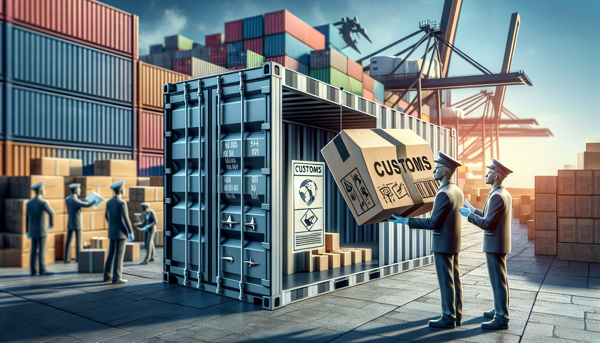
One of the key responsibilities of customs officers is to physically inspect imported goods. This can involve examining the packaging, labeling, and overall condition of the items to ensure they meet quality and safety standards. Customs officers may also conduct sample testing or refer goods to specialized laboratories for further analysis if there are concerns about their composition or safety.
Verification of quality and safety standards
Customs officers are trained to verify compliance with quality and safety standards through document review and physical inspections. They check import/export documentation to ensure that the necessary certificates, permits, and licenses are in place. They also compare the description and specifications of the goods provided in the documentation with the actual products. If discrepancies or concerns arise, customs officers may request additional information or impose restrictions on the importation of the goods.

Documentation Requirements
Import/export documentation
The customs clearance process relies heavily on accurate and complete import/export documentation. This includes documents such as commercial invoices, packing lists, bills of lading, and certificates of origin. These documents provide details about the goods being imported or exported, their value, quantity, and origin. They also serve as evidence of compliance with legal and regulatory requirements.
Specific documents related to quality and safety standards
In addition to general import/export documentation, there are specific documents that relate to quality and safety standards. These may include certificates of conformity, test reports, safety data sheets, and product registration documents. These documents provide evidence that the goods meet the required quality and safety standards, as well as any applicable industry-specific regulations.
Certifications and compliance documents
Certain industries require certifications or compliance documents to demonstrate adherence to quality and safety standards. For example, goods in the medical device industry may need to be certified according to specific standards, such as ISO 13485. Customs officers may require these certifications to ensure that imported goods meet the necessary quality and safety requirements.
Customs Declarations
Need for accurate customs declarations
Accurate customs declarations are essential for customs officers to assess the compliance of imported goods with quality and safety standards. Customs declarations provide detailed information about the goods, their classification, and their value. Incorrect or misleading declarations can lead to delays in the clearance process or even penalties and fines.
Declaration process for quality and safety standards
When making a customs declaration, it is important to include information about the quality and safety standards applicable to the goods being imported or exported. This may include references to specific regulations, standards, or certifications. Providing accurate and specific details enables customs officers to review the declaration and determine the need for further inspection or documentation verification.
Determining inspection and examination requirements
Based on the information provided in the customs declaration and other supporting documentation, customs officers determine the level of scrutiny necessary for quality and safety compliance. They may select certain goods for physical inspections, laboratory testing, or both, depending on the level of risk associated with the goods or the importer’s past compliance history. This risk-assessment approach ensures efficient allocation of inspection resources while minimizing unnecessary delays for compliant importers.
Risk Assessment
Risk factors related to quality and safety standards
Various risk factors are considered during the customs clearance process to identify potential risks related to quality and safety standards. These factors may include the type of goods being imported, the country of origin, the reputation of the exporter, and previous compliance records. Goods with complex compositions, such as chemicals or pharmaceuticals, may carry higher risks due to potential health hazards or quality control issues.
Identification and assessment of risks
Customs officers use risk assessment techniques and available data to identify and assess potential risks related to quality and safety standards. They may utilize sophisticated electronic systems that analyze shipment details and assign risk scores to identify suspicious or high-risk shipments. They may also rely on intelligence reports or collaborate with other regulatory agencies to stay informed about potential risks associated with specific industries or products.
Measures to minimize risks
To minimize risks related to quality and safety standards, customs clearance processes may incorporate various measures. These can include mandatory pre-shipment inspections, increased sample testing, or additional documentation requirements. Customs officers may also engage in collaboration with regulatory agencies and other stakeholders to exchange information, adopt best practices, and enhance risk mitigation efforts.

Customs Inspections
Selection process for inspections
Customs inspections are conducted to verify compliance with quality and safety standards. The selection process for inspections may be random, based on risk assessment, or triggered by specific indicators identified during document review or physical examination. Certain goods or industries may be subject to more frequent inspections due to their potential impact on public health and safety, or their history of compliance issues.
Physical examinations and laboratory testing
Customs officers perform physical examinations to visually inspect the goods and ensure they meet quality and safety standards. This may involve checking the packaging, labeling, and overall condition of the items. In some cases, customs officers may take samples for laboratory testing to verify compliance with product specifications, composition, or safety requirements. Results from laboratory testing can provide additional evidence to support or challenge the compliance of the goods.
Dealing with non-compliant goods
If goods are found to be non-compliant with quality and safety standards during customs inspections, customs officers take appropriate actions to address the issue. This may include refusing entry to the goods, imposing penalties or fines, or requiring corrective actions from the importer. In cases where non-compliance poses significant risks, customs officers may authorize the seizure or destruction of the goods to protect public health and safety.
Clearance Procedures
Clearance of compliant goods
Compliant goods that meet the required quality and safety standards are cleared for entry into the country. Once customs officers have verified the compliance of the goods and all necessary documentation is in order, they grant a clearance, allowing the goods to proceed to their intended destination. The clearance process may involve the payment of applicable customs duties, taxes, and fees.
Holding and detention procedures for non-compliant goods
Non-compliant goods may be subject to holding or detention procedures during the customs clearance process. Customs officers may hold the goods temporarily while seeking further information or clarification from the importer. This allows the importer an opportunity to rectify any compliance issues or provide additional evidence to demonstrate compliance. If the non-compliance issues are not resolved within a specified timeframe, the goods may be subject to further enforcement actions as determined by the relevant laws and regulations.
Re-export and disposal options
In some cases, non-compliant goods may be rejected or deemed unfit for entry into the country. Depending on the circumstances, importers may have the option to re-export the goods to their country of origin or to another destination that allows their entry. Alternatively, if the goods pose significant risks and cannot be remedied, customs officers may require their disposal or destruction under appropriate procedures to prevent any harm to public health, safety, or the environment.
Collaboration with Regulatory Agencies
Coordination between customs and regulatory agencies
Effective customs clearance processes often involve coordination between customs authorities and other regulatory agencies involved in monitoring quality and safety standards. This collaboration helps ensure a comprehensive approach to enforcing regulations and avoiding duplication of efforts. Customs officers may liaise with agencies such as the FDA, the Environmental Protection Agency, or the Consumer Product Safety Commission to exchange information, align risk assessment methodologies, and coordinate joint enforcement activities.
Sharing of information and expertise
To enhance the efficiency and effectiveness of customs clearance processes, customs officers may share information and expertise with regulatory agencies. This collaboration enables them to stay updated on emerging risks, evolving regulations, and industry-specific practices. By pooling resources and knowledge, customs and regulatory agencies can better address the challenges posed by goods subject to quality and safety standards.
Joint efforts to ensure quality and safety compliance
Customs and regulatory agencies may engage in joint efforts to ensure compliance with quality and safety standards. This can involve jointly conducting inspections, sharing testing facilities, or developing common platforms for exchanging information and facilitating trade. By working together, these agencies can enhance their ability to detect and address non-compliance issues promptly, thereby protecting consumer interests and maintaining the integrity of the market.
Consequences of Non-Compliance
Penalties and fines
Non-compliance with quality and safety standards can result in penalties and fines for importers. Customs authorities have the power to impose monetary sanctions as a means of deterrence and to compensate for any potential harm caused by non-compliant goods. The severity of the penalties and fines may vary depending on the nature and significance of the non-compliance.
Product detentions and recalls
If quality and safety issues are identified after goods have been cleared and entered the market, customs authorities may order the detention or recall of the products. This is done to protect the public from potential harm and to ensure compliance with quality and safety standards. The importer or manufacturer may be required to take corrective actions, such as modifying the product or withdrawing it from the market.
Harm to reputation and business interests
Non-compliance with quality and safety standards can have a detrimental impact on an importer’s or manufacturer’s reputation and business interests. In today’s interconnected world, news of non-compliance can spread quickly, leading to loss of trust and confidence from consumers, business partners, and the general public. It can result in financial losses, diminished market share, legal battles, and long-term damage to the company’s brand image. Therefore, maintaining compliance with quality and safety standards is crucial for protecting both business reputation and consumer interests.
In conclusion, customs clearance plays a crucial role in ensuring the compliance of goods with quality and safety standards. By enforcing regulations, verifying documentation, and conducting inspections, customs officers help protect consumers and maintain fair trade practices. Documentation requirements, customs declarations, and risk assessment processes are essential components of customs clearance procedures. Collaboration between customs and regulatory agencies enhances the effectiveness of quality and safety enforcement efforts. Non-compliance with quality and safety standards can lead to penalties, product detentions/recalls, and harm to reputation and business interests. Therefore, it is essential for importers and exporters to understand and adhere to these standards to ensure the integrity and safety of international trade.
