
Importing Antiques And Customs Clearance
So, you’ve recently developed a fascination for antiques and have decided to immerse yourself in the intriguing world of importing them. Well, you’re in for quite an adventure! In this article, we’ll take a closer look at the process of importing antiques and the importance of customs clearance. From understanding the regulations and paperwork involved to navigating potential challenges, get ready to dive into a world where historical treasures meet bureaucratic hurdles. Whether you’re a seasoned antique enthusiast or a curious beginner, this guide will provide valuable insights on successfully importing antiques and navigating the complex world of customs clearance.
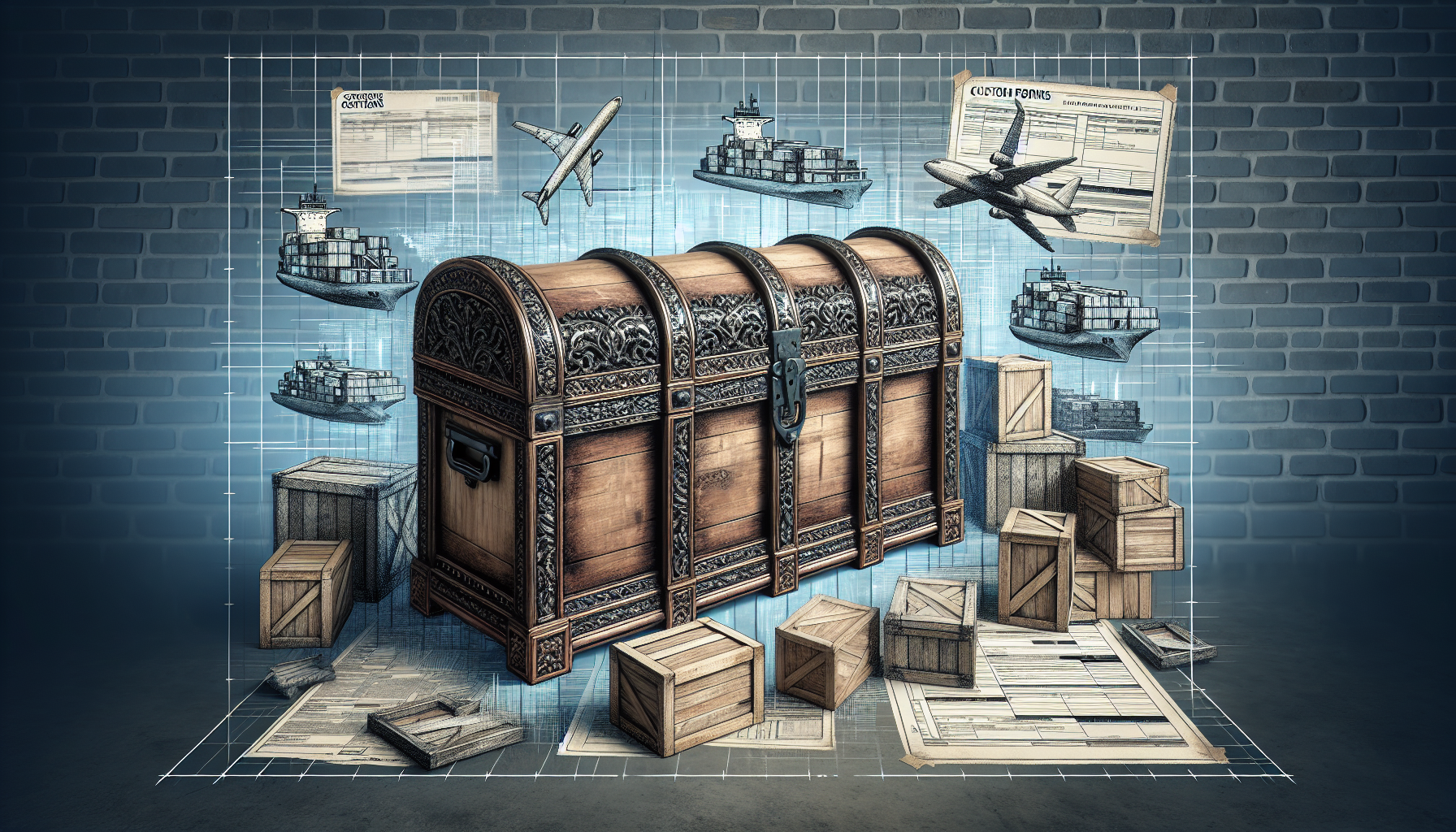

Importing Antiques And Customs Clearance
Importing antiques can be an exciting endeavor, allowing you to add unique and valuable pieces to your collection. However, navigating the process of customs clearance can be quite daunting, as there are various regulations and requirements that need to be fulfilled. In this article, we will guide you through the comprehensive process of importing antiques and provide valuable insights to ensure a smooth and successful experience.
Understanding the Process of Importing Antiques
Before diving into the intricacies of importing antiques, it is crucial to understand the overall process. Importing antiques involves several steps, including researching import restrictions and regulations, finding reliable shipping and customs clearance services, preparing the necessary documents, calculating import duties and taxes, and navigating customs clearance procedures.

Researching Import Restrictions and Regulations
One of the first steps in importing antiques is to thoroughly research import restrictions and regulations. Different countries have varying rules regarding the importation of antiques, including specific requirements for certain types of artifacts or historical items. It is essential to educate yourself on these regulations so that you are fully aware of what can and cannot be imported.
You can start by consulting the customs authorities of the destination country or hiring an experienced customs broker who can provide you with the necessary information and guidance. Additionally, it is advisable to reach out to specialized antique associations or organizations that can offer insights into specific regulations and restrictions related to importing antiques.
Finding Reliable Shipping and Customs Clearance Services
When it comes to transporting your antiques to the destination country, it is crucial to find reliable shipping and customs clearance services. Look for shipping companies that have experience in handling delicate and valuable items like antiques. They should have expertise in packing, handling, and shipping antiques safely and securely.
In addition to shipping, customs clearance is another critical aspect of the importing process. Customs clearance services help you navigate the complex procedures and ensure that all necessary documentation and formalities are completed correctly. Choose a customs clearance service provider that has a good track record, strong knowledge of import regulations, and a reputation for efficient and timely clearance.

Preparing the Necessary Documents for Customs Clearance
Proper documentation is essential when it comes to customs clearance. Before shipping your antiques, you need to ensure that you have all the necessary documents in order. These documents may include purchase invoices, certificates of authenticity, export permits from the country of origin, and any additional paperwork required by the destination country.
It is crucial to keep copies of all the documents and maintain a well-organized file to facilitate the customs clearance process. Working closely with your shipping and customs clearance service provider can help ensure that you have all the required documents and information ready.
Calculating Import Duties and Taxes
Import duties and taxes are an inevitable part of the customs clearance process. When importing antiques, it is essential to calculate the potential costs associated with import duties and taxes to avoid any surprises. The amount of duties and taxes can vary depending on the value, age, and type of antique being imported, as well as the country-specific regulations.
To calculate import duties and taxes accurately, consult the customs authorities of the destination country or seek the guidance of a customs broker. They will be able to provide you with the necessary information on the applicable fees and taxes based on the specifics of your antique items.

Understanding Customs Valuation for Antiques
Customs valuation is a crucial aspect of importing antiques. It determines the value of the imported goods for the purpose of assessing the applicable import duties and taxes. Valuing antiques can be a complex process, as their worth is often based on subjective factors such as rarity, condition, and historical significance.
To ensure accurate customs valuation, consult with appraisers who specialize in antiques. They will be able to assess the value of your items based on their expertise and knowledge of the market. Working with a reputable appraiser can help you avoid any discrepancies or disputes during the customs clearance process.
Applying for Permits and Licenses
Depending on the destination country and the type of antiques being imported, you may need to apply for permits and licenses. Certain countries have specific requirements for importing certain types of antiquities or artifacts, particularly those of cultural or historical significance.
Research the specific permits and licenses that may be required for your antiques and ensure that you complete the necessary applications well in advance. Your shipping or customs clearance service provider can guide you through the application process and help you obtain the required permits and licenses.
Arranging Transportation and Delivery
Once all the necessary documentation and permits are in order, it is time to arrange transportation and delivery of your antiques. Work closely with your shipping company to coordinate the logistics of the shipment, ensuring that the antiques are properly packed and protected for the journey.
Consider using specialized transportation services that have experience in handling delicate and valuable items like antiques. They may provide additional security measures and specialized packaging to ensure the safe delivery of your antiques to the destination country.
Navigating Customs Clearance Procedures
Upon arrival at the destination country, your antiques will need to go through customs clearance procedures. This involves presenting the required documentation, declaring the imported goods, and paying any applicable duties and taxes. Working with an experienced customs clearance service provider can significantly simplify this process.
Your customs clearance service provider will guide you through the necessary steps and help you navigate any additional inspections or assessments that may be required. They will ensure that all the documentation is in order, and facilitate a smooth customs clearance process for your antiques.
Dealing with Inspections and Appraisals
During the customs clearance process, your antiques may be subject to inspections and appraisals to determine their authenticity, condition, and value. These inspections and appraisals are conducted to ensure compliance with import regulations and to prevent the entry of counterfeit or illicit goods.
It is important to be prepared for these inspections and appraisals by providing any additional documentation or information as requested. Working closely with your customs clearance service provider can help you navigate these assessments and ensure a successful outcome.
Finalizing the Import Process and Collecting the Antiques
Once the customs clearance procedures are complete, and any necessary inspections or assessments have been conducted, you are finally ready to finalize the import process and collect your antiques. Coordinate with your shipping company to arrange the delivery of the antiques to your desired location.
Be aware of any additional handling or transportation fees that may apply, and ensure that your antiques are properly insured throughout the process. Once the delivery is complete, carefully inspect your antiques to make sure they have arrived in the expected condition.
Importing antiques can be a complex and intricate process, but with the right preparation and guidance, it can be a rewarding experience. By thoroughly researching import restrictions, finding reliable shipping and customs clearance services, preparing the necessary documents, and following the customs clearance procedures diligently, you can successfully import your desired antiques and add valuable pieces to your collection.
