
Importing Gun Parts And Components
So, you’ve found yourself in the world of firearms, and now you’re curious about importing gun parts and components. Whether you’re a gun enthusiast looking to customize your firearms or a business owner aiming to expand your product offerings, importing these crucial parts and components opens up a whole new realm of possibilities. But with regulations and restrictions to navigate, it’s essential to understand the ins and outs of this process. In this article, we’ll explore the world of importing gun parts and components, examining the legal aspects, necessary permits, and considerations to ensure a smooth and compliant experience.
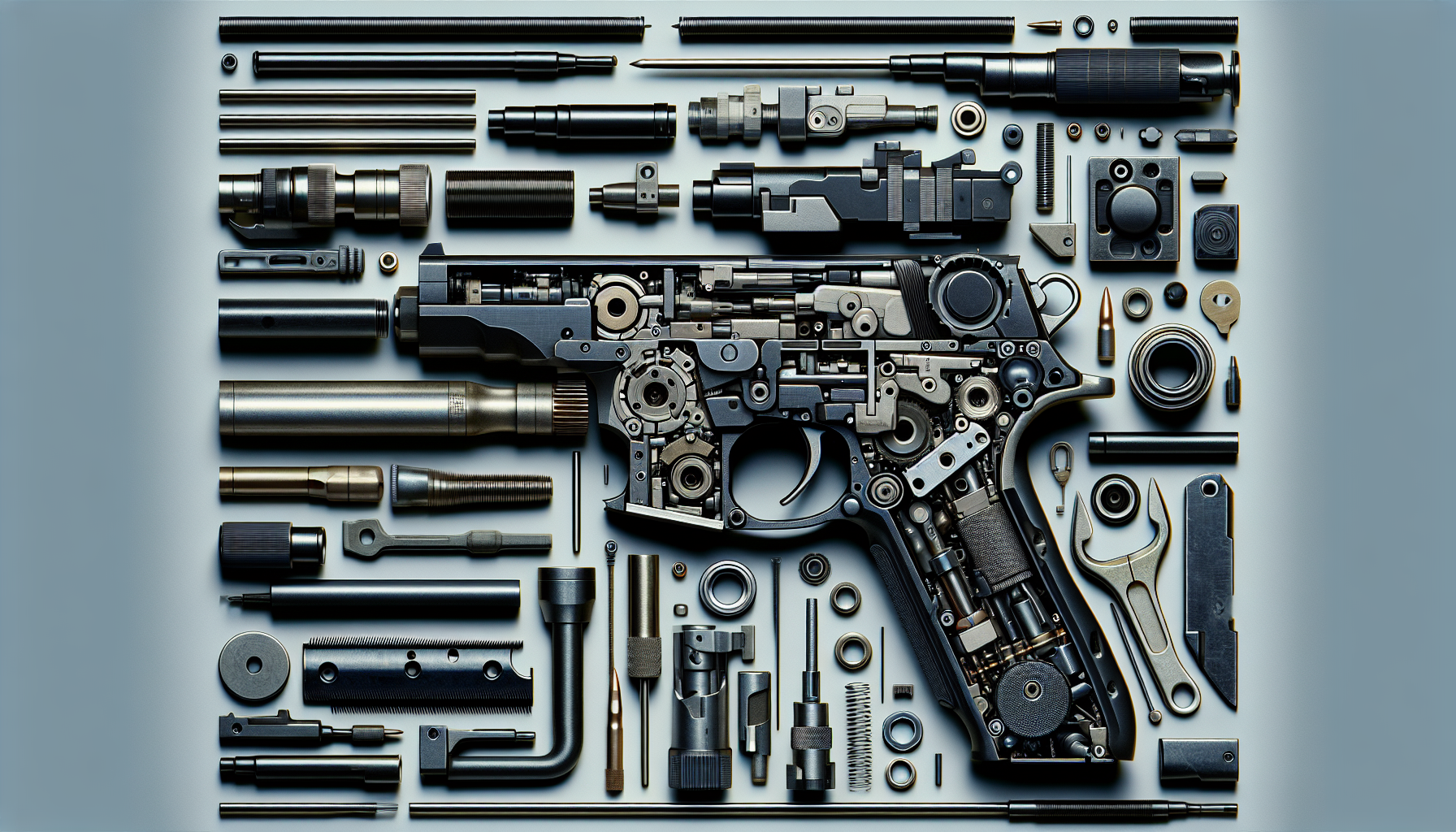

Importing Gun Parts and Components
Importing gun parts and components can be a complex process that requires careful consideration of various legal considerations, regulations, and logistics. In this article, we will explore the key aspects of importing gun parts and components, from legal requirements to shipping and customer support.
Legal Considerations
Before importing gun parts and components, it is crucial to understand and comply with both international and domestic laws and regulations. International laws and regulations, such as those set by the United Nations, aim to prevent the proliferation of weapons and control the flow of firearms-related items across borders. Additionally, each country has its own domestic laws and regulations concerning firearms, including the importation of gun parts and components. Therefore, it is essential to familiarize yourself with the specific legal requirements of the exporting and importing countries involved.
Exporting Countries
Some of the significant exporting countries for gun parts and components include the United States, Germany, Italy, Switzerland, China, Russia, Israel, South Korea, the Czech Republic, and the United Kingdom. These countries are known for their established firearm industries and the production of high-quality gun parts and components. When importing gun parts, it is important to consider the reputation and reliability of suppliers from these countries, as well as the legal aspects and trade policies associated with each export destination.
Importing Regulations
Importing regulations play a crucial role in determining how gun parts and components can enter a country. These regulations may vary significantly depending on the specific firearm laws, import restrictions, trade policies, permits, and licenses of the importing country. It is essential to thoroughly research and comply with all the applicable regulations to ensure a smooth and legal importation process. Failure to do so may result in delays, penalties, and even the seizure of imported goods.

Classification and Licensing
Gun parts and components are typically subject to classification and licensing requirements. Each country may have its own classification system to determine the importation restrictions and licensing requirements for different types of gun parts. Understanding the classification of the parts you intend to import is crucial for ensuring compliance and obtaining the necessary permits and licenses. It is essential to work closely with regulatory authorities and consult legal experts to navigate the complex classification and licensing process successfully.
Customs Documentation
When importing gun parts and components, accurate and thorough customs documentation is essential. This documentation serves as a crucial tool for customs officials to verify the nature, quantity, and value of the imported goods. Some of the important customs documents include the commercial invoice, packing list, bill of lading, and customs declaration form. Ensuring that these documents are properly prepared and submitted is vital for smooth customs clearance and compliance with import regulations.
Import Taxes and Duties
Importing gun parts and components often entails the payment of import taxes and duties, which can significantly impact the overall cost of importing. These charges may include tariffs, value-added tax (VAT), and excise duties. Tariffs are customs duties imposed on imported goods, usually based on the classification and value of the goods. VAT is a consumption tax levied on the value of the imported goods, while excise duties are specific taxes imposed on certain types of goods. It is important to factor in these import taxes and duties when planning your importation budget.
Shipping and Logistics
When importing gun parts and components, choosing the right shipping and logistics solution is crucial for ensuring the safe and timely delivery of the goods. Working with a reliable freight forwarder experienced in handling firearms-related shipments can help you navigate the complex logistics involved. Considerations such as shipping methods, freight insurance, and tracking and delivery services are essential aspects to consider when planning your importation. Properly managing the shipping and logistics process will help reduce the risk of delays, damages, or loss of gun parts and components.

Quality Control and Testing
Maintaining high quality standards for imported gun parts and components is essential to ensure that they meet the necessary specifications and regulatory requirements. Conducting thorough supplier evaluations can help you identify reliable and reputable suppliers who consistently produce high-quality products. Additionally, implementing rigorous quality control procedures and product testing is crucial to verify the compliance of the imported goods with applicable regulations and standards. Certifications and adherence to industry standards can further validate the quality and reliability of the imported gun parts and components.
Storage and Inventory Management
Efficiently managing the storage and inventory of imported gun parts and components is essential for a smooth operation. Proper storage facilities, such as secure warehouses, should be used to ensure the safety and integrity of the imported goods. Implementing effective inventory management systems and processes can help track the availability, location, and movement of gun parts and components, facilitating order fulfillment and minimizing the risk of errors. Additionally, establishing appropriate storage and inventory management practices is crucial for complying with any legal requirements regarding the storage and traceability of firearms-related items.
Customer Support
Providing excellent customer support is important for businesses importing gun parts and components. This includes assisting customers with returns and exchanges, addressing any technical issues, and offering after-sales service. Establishing clear and transparent policies regarding returns and exchanges will help build trust and confidence among customers. Additionally, having knowledgeable and responsive technical support staff will ensure that customers receive prompt assistance when they encounter any issues with the imported gun parts and components. Investing in customer support is crucial for establishing a strong reputation and building long-term relationships with clients.
In conclusion, importing gun parts and components requires careful attention to legal considerations, regulations, and logistics. By understanding the legal requirements, complying with regulations, and implementing efficient processes, importers can successfully navigate the importation process while ensuring compliance, quality, and customer satisfaction.
