
Importing Pet Supplies And Toys
So you’ve decided to venture into the world of pet supplies and toys, but you’re not quite sure where to start? Importing these products can be a lucrative business endeavor, especially with the rising popularity of owning pets. From trendy accessories to interactive toys, there’s a wide range of products that pet owners are clamoring for. This article will provide you with valuable insights into the process of importing pet supplies and toys, helping you navigate the competitive market and make informed decisions to ensure a successful venture.
Importing Pet Supplies And Toys
As a pet owner, you know how important it is to provide the best supplies and toys for your furry friends. However, finding high-quality products at affordable prices can be a challenge. That’s where importing pet supplies and toys can be a game-changer. By exploring international markets and working directly with suppliers, you can gain access to a wide range of products that can delight pet owners and provide their pets with hours of fun. In this article, we will guide you through the process of importing pet supplies and toys, from understanding the market to promoting and selling the imported products.

Understanding the Market for Pet Supplies and Toys
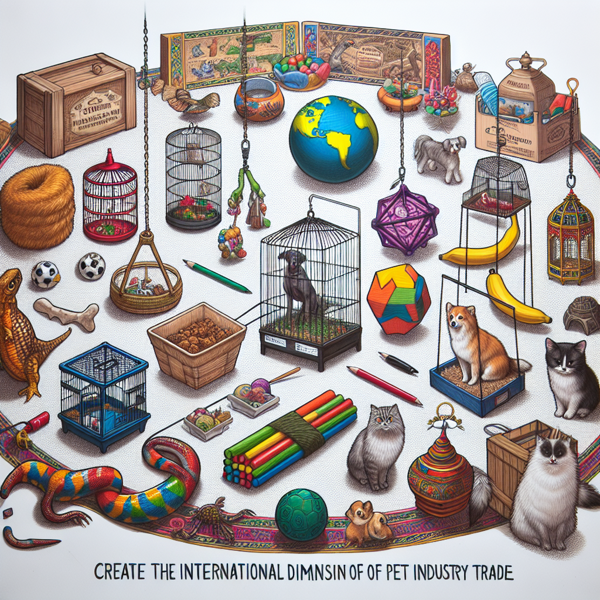
Before diving into the world of importing, it’s crucial to understand the market for pet supplies and toys. Begin by researching consumer trends and preferences, both domestically and internationally. Look for products that are in high demand and have the potential for growth. Explore different pet market segments, such as dogs, cats, birds, and small animals, to identify the most popular items within each category. This knowledge will help you make informed decisions when selecting products to import and ensure that you meet the needs and desires of your customers.
Researching Potential Suppliers
To find reliable suppliers, start by attending pet trade shows and exhibitions. These events provide an excellent opportunity to connect with industry professionals and gain insights into the latest products and innovations. Networking with other pet professionals can also lead to valuable supplier recommendations. Additionally, online platforms and directories specifically designed for sourcing pet products can be immensely helpful in finding potential suppliers from around the world. Once you have a list of potential suppliers, thoroughly research each one, verifying their reputation, product quality, and reliability.
Evaluating Product Quality and Safety Standards
When importing pet supplies and toys, ensuring product quality and safety standards is of utmost importance. Pets rely on these products for their amusement and well-being, so it’s vital to choose items that are durable, non-toxic, and free from potential hazards. Inspect samples before making a purchase, paying attention to factors such as material quality, craftsmanship, and potential choking hazards. Look for relevant certifications and compliance with safety regulations to ensure that the products you import meet the necessary quality standards.

Navigating Import Regulations and Documentation
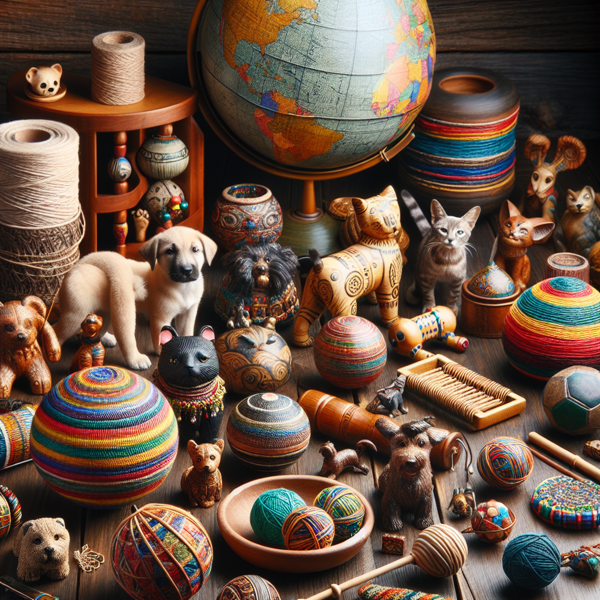
Importing pet supplies and toys involves navigating complex import regulations and documentation. Familiarize yourself with the customs requirements of your country, as well as any specific regulations pertaining to pet products. Understand the necessary import permits, certificates, and labeling requirements to avoid any compliance issues. Keep in mind that different countries may have varying regulations, so when expanding your imports to new markets, thoroughly research and comply with the specific requirements of each country.
Calculating Costs and Profit Margins
To make importing financially viable, it’s crucial to calculate your costs and profit margins accurately. Consider all expenses involved, including product costs, shipping fees, import taxes, duties, and any additional fees such as customs brokerage charges. Research the current market prices for similar products to determine a competitive selling price. Factor in your desired profit margin and ensure that it aligns with the costs associated with importing. By conducting a thorough cost analysis, you can make informed decisions about which products to import and effectively manage your finances.
Managing Shipping and Logistics
Successfully importing pet supplies and toys requires efficient management of shipping and logistics. Work closely with your suppliers to determine the most suitable shipping methods, considering factors such as cost, speed, reliability, and the nature of the products being imported. Collaborating with freight forwarders or logistics companies experienced in international shipping can help simplify the process and ensure timely delivery. Clear communication and coordination with all parties involved, including suppliers, shipping providers, and customs officials, are crucial for smooth operations throughout the importing process.

Dealing with Customs and Duties
When importing pet supplies and toys, you will encounter customs procedures and duties that need to be adhered to. Understand the customs clearance process and prepare all necessary documentation, such as commercial invoices, packing lists, and bills of lading, accurately and completely. Research the applicable import duties and taxes for pet products in your country and factor them into your cost calculations. Consider consulting with customs clearing agents or hiring a customs broker to navigate the complexities of customs procedures and ensure compliance with all legal requirements.
Ensuring Compliance with Import Laws and Restrictions
In addition to customs procedures, it’s essential to ensure compliance with import laws and restrictions. Research any applicable regulations regarding pet products in your country, such as import bans or restrictions on certain materials or ingredients. Stay updated on any changes or new regulations as they can impact the importation of specific products. Compliance with import laws is not only a legal requirement but also crucial for building a reputable business and maintaining the trust of your customers.
Building Relationships with Suppliers
Establishing strong and reliable relationships with your suppliers is crucial for long-term success in importing pet supplies and toys. Regular communication and open dialogue can help maintain a healthy supplier-buyer relationship. Establish clear expectations and discuss delivery schedules, product quality, and any specific requirements you may have. Promptly address any issues that arise and work collaboratively to find solutions. Building strong relationships with your suppliers can lead to better pricing, priority access to new products, and potential opportunities for exclusive partnerships.
Promoting and Selling Imported Pet Supplies and Toys
Once you have successfully imported your pet supplies and toys, it’s time to promote and sell your products. Develop a comprehensive marketing strategy that includes online and offline channels to reach your target audience effectively. Create a visually appealing website, optimized for search engines, and showcase your imported products with high-quality images and detailed descriptions. Leverage social media platforms and collaborate with influencers or pet-related communities to increase brand awareness. Participate in pet fairs, exhibitions, and local events to showcase your products and connect with potential customers. By investing in effective marketing and sales strategies, you can maximize the visibility and demand for your imported pet supplies and toys.
In conclusion, importing pet supplies and toys can be a rewarding venture for pet owners and businesses alike. By understanding the market, researching suppliers, evaluating product quality and safety, navigating import regulations, calculating costs, managing shipping and logistics, dealing with customs and duties, ensuring compliance with import laws and restrictions, building relationships with suppliers, and promoting and selling the imported products, you can bring joy to pet owners and their beloved companions while building a successful import business. Embrace the opportunity to explore international markets, find unique products, and become a trusted source of high-quality pet supplies and toys.
