
What Is A Customs Bond, And Do I Need One?
So you’re about to import or export goods and you keep hearing this term “customs bond,” but you’re not exactly sure what it is or if you even need one. Well, worry not, because we’re here to demystify it for you. A customs bond is essentially a type of insurance that guarantees payment of any duties, taxes, and fees imposed by customs authorities. It acts as a security measure to protect the government in case you fail to meet your obligations. And as for whether you need one, well, that depends on a few factors, which we’ll explore further in this article. So let’s dig in and clear up any confusion about customs bonds!


Understanding Customs Bonds
Definition of Customs Bond
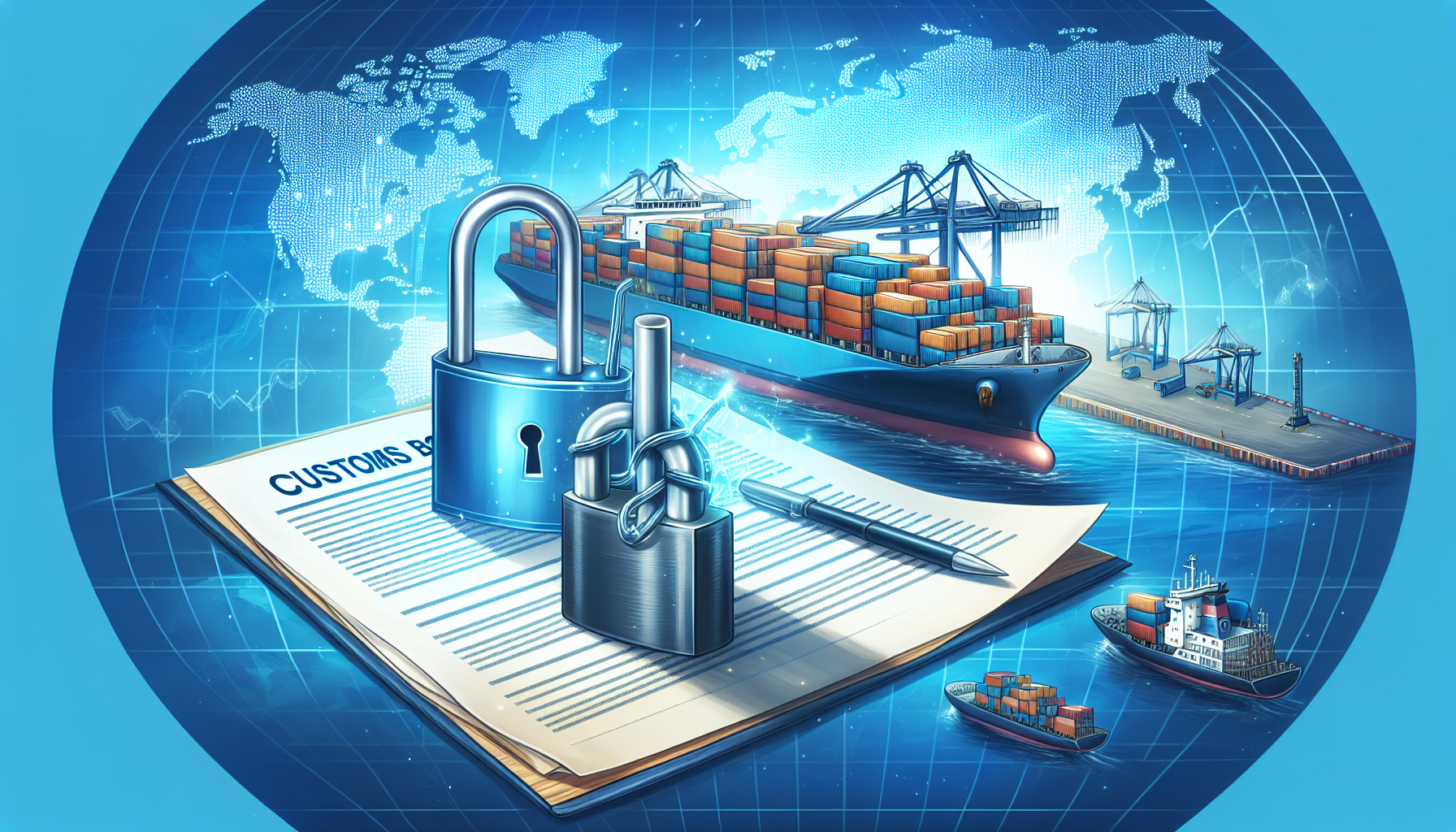
A customs bond is a financial guarantee that is required by the government for certain importers, transporters, and exporters. It serves as a form of insurance to ensure compliance with customs regulations and payment of duties and taxes.
Purpose of Customs Bond
The primary purpose of a customs bond is to protect the government and ensure that any potential financial losses incurred during the import/export process are covered. It provides a level of security that importers and exporters will comply with all regulations and fulfill their financial obligations.
Types of Customs Bonds
There are different types of customs bonds available depending on the specific needs and situations of importers, transporters, and exporters. The most common types include import bonds, transportation bonds, export bonds, and warehouse bonds. Each type of bond serves a specific purpose and is tailored to the requirements of the customs regulations.
When Do You Need a Customs Bond?
Importing Goods
If you are involved in importing goods into a country, you will likely need a customs bond. Import bonds are required by customs authorities to ensure that importers comply with the necessary regulations and pay any duties and taxes owed. These bonds provide a guarantee that the government will be reimbursed if the importer fails to meet their obligations.
Transporting Goods In-Bond
When goods are transported through a country but not intended for immediate consumption or sale, a transportation bond may be required. This applies to goods that are temporarily stored in a bonded warehouse or being moved under bond from one location to another. The transportation bond ensures that the goods will be properly accounted for and duties paid when necessary.
Exporting Goods
While customs bonds are typically associated with importing goods, they may also be required for certain types of goods being exported. Export bonds provide assurance to the government that the exporter will fulfill all regulatory requirements and promptly pay any necessary fines, duties, and taxes associated with the exportation process.
How to Obtain a Customs Bond
Surety Bond
The most common way to obtain a customs bond is through a surety bond, which is issued by a qualified surety company. To obtain a surety bond, you will need to work with a licensed customs broker or a surety bond provider. The process usually involves completing an application, providing necessary documentation, and paying a premium based on the bond amount.
Importers/Customs Brokers
Importers can obtain a customs bond through a customs broker. Customs brokers have the expertise and knowledge necessary to navigate the customs process and obtain the appropriate bond on behalf of their clients. They can assist in determining the bond amount, filling out the necessary paperwork, and ensuring compliance with customs regulations.
Bonded Warehouse
In some cases, importers may choose to store their goods in a bonded warehouse before they are released for distribution. These warehouses are authorized by customs authorities and require a warehouse bond. The warehouse bond serves as a guarantee that the goods stored in the warehouse will be handled properly and all duties will be paid before the goods are released.

Benefits of Having a Customs Bond
Compliance with Customs Regulations
Having a customs bond ensures that you are meeting all the necessary customs regulations and requirements. This prevents any possible disputes with customs authorities, penalties, or delays in the import/export process. By remaining compliant, you can avoid potential fines and maintain a good relationship with customs officials.
Ensuring Payment of Duties and Taxes
One of the primary purposes of a customs bond is to ensure the payment of duties and taxes owed to the government. By having a bond in place, customs authorities have the confidence that they will be reimbursed in case an importer or exporter fails to make the necessary payments. This helps maintain the integrity of the customs process and ensures the smooth flow of goods.
Facilitating International Trade
Customs bonds play a crucial role in facilitating international trade. By having a bond in place, importers and exporters can navigate the complex customs procedures with ease. It provides a level of assurance to customs authorities that the goods are being handled appropriately and all necessary requirements are being met. This, in turn, promotes trade and strengthens economic relationships between countries.
Costs and Considerations
Premiums and Fees
Obtaining a customs bond involves paying a premium, which is usually a percentage of the bond amount. The premium can vary depending on several factors, including the type of bond, the creditworthiness of the applicant, and the length of coverage required. It is essential to consider the cost of the premium when deciding whether to obtain a customs bond.
Bond Coverage
When obtaining a customs bond, it is important to consider the coverage amount. The bond amount should be sufficient to cover any potential duties, taxes, fines, and penalties that may arise during the import/export process. Inadequate bond coverage can result in delays or financial liabilities. It is advisable to consult with customs experts to determine the appropriate bond coverage for your specific needs.
Cancellation and Renewal
Customs bonds are typically valid for a specific period and need to be renewed regularly. It is important to keep track of the bond’s expiration date and ensure timely renewal to avoid any disruptions in the import/export process. Additionally, some bonds may have cancellation policies and fees, which should be considered before obtaining a customs bond.
Exceptions and Alternatives
Bonded Carriers
For certain types of transportation, bonded carriers may be exempt from obtaining a customs bond. Bonded carriers are approved by customs authorities and are responsible for the transport of goods in-bond. They operate under specific regulations and provide the necessary guarantees to customs authorities without requiring their own individual customs bond.
Single Transaction Bonds
In some cases, importers or exporters may not need a continuous customs bond but instead require a single transaction bond. As the name suggests, this type of bond covers a single import or export transaction and is tailored to the specific requirements of that particular transaction. Single transaction bonds can be a more cost-effective option for businesses with infrequent import/export activities.
Foreign Trade Zones
Another alternative to obtaining a customs bond is utilizing Foreign Trade Zones (FTZs). FTZs are designated areas within a country where imported goods are considered to be outside the country’s customs territory. By utilizing an FTZ, businesses can defer the payment of duties and taxes until the goods are ready for sale or distribution within the country, eliminating the need for a customs bond.

Common Misconceptions about Customs Bonds
Only for Large Companies
One common misconception is that customs bonds are only required for large companies involved in significant import/export operations. However, customs bonds are necessary for any entity involved in international trade. Whether you are an individual importer/exporter or a small business, if you are importing or exporting goods, a customs bond may be required.
Not Required for All Imports/Exports
Some may believe that customs bonds are only necessary for certain types of goods or specific countries. However, the requirement for a customs bond depends on the regulations of the country you are importing from or exporting to, as well as the specific goods being imported or exported. It is essential to research and consult with customs experts to determine if a customs bond is necessary for your specific situation.
Customs Bonds are Insurance
Although customs bonds provide a level of financial protection, they are not the same as insurance. Insurance typically covers unforeseen events, such as damage or loss of goods during transportation. Customs bonds, on the other hand, are a guarantee that the financial obligations and regulatory requirements associated with the import/export process will be fulfilled. They do not cover physical loss or damage to the goods.
Penalties for Non-Compliance
Seizure of Goods
Failure to comply with customs regulations and obligations can result in the seizure of goods by customs authorities. If a customs bond is not in place, the importer or exporter may be held personally liable for the value of the goods seized. Seizure of goods can result in significant financial losses and may have severe consequences for the business.
Fines and Penalties
Non-compliance with customs regulations can lead to fines and penalties imposed by customs authorities. These fines can vary depending on the severity of the violation and can range from monetary penalties to the revocation of import/export privileges. The penalties can have a detrimental impact on the finances and reputation of the business.
Loss of Import/Export Privileges
Repeated non-compliance with customs regulations can ultimately lead to the loss of import/export privileges. This means that the business may be restricted from importing or exporting goods altogether. Losing import/export privileges can have long-term effects on the business, including financial losses and limitations on international trade opportunities.
Consulting with Customs Experts
Understanding Your Specific Needs
Navigating the complexities of customs regulations and determining the requirements for a customs bond can be challenging. Consulting with customs experts is highly beneficial to understand your specific needs. Customs brokers or professional consultants can assess your import/export activities, guide you through the bond application process, and provide valuable insights into the customs requirements of different countries.
Navigating Complex Regulations
Customs regulations can vary from country to country and can be complex to understand. Customs experts have a deep understanding of these regulations and can help navigate through them. They can assist in ensuring compliance, completing necessary paperwork, and staying updated on any changes in customs requirements. By working with customs experts, you can avoid potential pitfalls and delays in the import/export process.
Getting Professional Advice
Customs experts can also provide professional advice on various aspects related to customs bonds, including bond coverage, premiums, and considerations for specific types of goods. They can help you make informed decisions by assessing the risks and benefits associated with obtaining a customs bond. Their expertise can be invaluable in ensuring a smooth and compliant import/export process.
Conclusion
Understanding customs bonds is essential for anyone involved in the import/export business. Customs bonds serve as financial guarantees that ensure compliance with customs regulations and the payment of duties and taxes. They play a vital role in facilitating international trade and protecting the interests of both importers/exporters and customs authorities. By obtaining a customs bond, businesses can avoid potential penalties, seizure of goods, and loss of import/export privileges. Consulting with customs experts can provide valuable insights and guidance in navigating the complexities of customs regulations.
