
What Is The Process For Requesting A Refund Of ISF Filing Fees?
So, you’ve gone through the process of filing an ISF (Importer Security Filing), but for some reason, you’re now in need of a refund for the filing fees. Don’t worry, it happens. In this article, we’ll walk you through the steps you need to take in order to request a refund of those fees. Whether it was an error on your part or a change in circumstances, we’ve got you covered with the necessary information to navigate this process smoothly.


Understanding ISF Filing Fees
Overview of ISF Filing Fees
ISF (Importer Security Filing) filing fees are charges imposed on importers for completing and submitting the necessary documentation and information related to their shipments. These fees are required for all shipments entering the United States and play a crucial role in ensuring the security and compliance of the import process.
Importance of ISF Filing Fees
ISF filing fees serve as a means to cover the costs associated with overseeing and managing the import process. Moreover, these fees contribute to the overall efficiency and effectiveness of border security measures, ensuring the safety of the country and its citizens. Without proper funding through filing fees, the customs authorities would be unable to uphold the necessary checks and balances required for successful importation.
Purpose of ISF Filing Fees
The primary purpose of ISF filing fees is to facilitate the administration and enforcement of import regulations. These fees ensure that importers bear the financial responsibility of complying with the necessary documentation requirements and provide the means for customs authorities to scrutinize shipments for potential security risks. By charging filing fees, the authorities can maintain a robust system that promotes the smooth flow of legitimate trade while deterring illicit activities.
Eligibility for Refund
Conditions for Refund Eligibility
Not all situations warrant a refund of ISF filing fees. To be eligible for a refund, certain conditions must be met. Firstly, the importer must have overpaid the filing fee or submitted payment when no fee was due. Additionally, refunds are granted when errors or inaccuracies in the ISF filing were promptly corrected and directly resulted in an overpayment. Importers seeking a refund must be able to demonstrate that the overpayment occurred due to a genuine mistake or circumstances beyond their control.
Documentary Requirements
To support a refund request, importers must provide proper documentation. This typically includes a copy of the original import entry and supporting documents, such as commercial invoices, bills of lading, and any modified or amended ISF filings. These documents are essential in verifying the inaccuracies or errors that led to the overpayment and serve as evidence in the refund evaluation process.
Timeframe for Refund Request
Importers should file their refund requests as soon as they become aware of the overpayment. It is crucial to adhere to the specified timeframe set by the relevant authority. Failing to meet the deadline may result in the rejection of the refund request. Therefore, it is advisable to promptly initiate the refund process to ensure a timely resolution.
Preparing the Refund Request
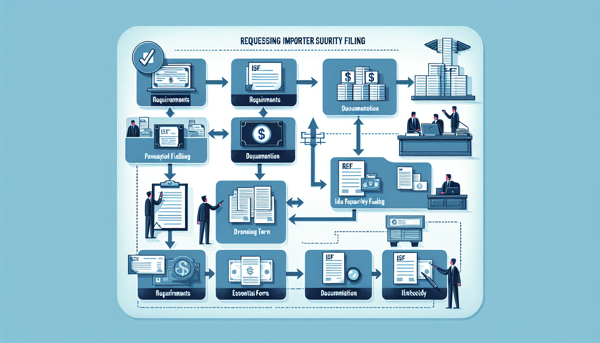
Gather Necessary Documents
Before initiating the refund request, importers should gather all the necessary documents required to support their claim. These may include copies of the original import entry, any relevant amendments or modifications, and supporting evidence that validates the overpayment.
Complete Refund Application Form
Importers will be required to complete a refund application form provided by the relevant authority. It is essential to fill out the form accurately and provide all the requested information. Any missing or incomplete details could delay the refund process or lead to a rejection.
Include Supporting Evidence
To strengthen the refund request, it is advisable to include any supporting evidence that substantiates the claim of overpayment. This might include copies of payment receipts, bank statements, or any other relevant documents that provide a clear record of the overpayment and its cause.

Submitting the Refund Request
Contacting the Relevant Authority
To initiate the refund request, importers should contact the relevant authority responsible for processing such requests. This could be a specific department within the customs agency or a designated refund office. Contact information can generally be obtained from official government websites or by reaching out to the point of entry or local customs office.
Follow the Specific Application Process
Each authority may have its own specific application process for requesting a refund of ISF filing fees. It is crucial to follow the provided guidelines and instructions meticulously to ensure a smooth and efficient processing of the refund request. Failure to adhere to the outlined steps may result in unnecessary delays or even a rejection of the request.
Modes of Submission
The refund request can typically be submitted through various modes, including online platforms, email, or physical mail. Importers should choose the mode of submission that aligns with the instructions provided by the relevant authority. It is important to double-check the submission requirements and ensure that all necessary documents are included before finalizing the request.
Review and Verification Process
Initial Review of Refund Request
Upon receiving the refund request, the relevant authority will conduct an initial review to ensure that all required documents and information have been provided. They will verify that the request meets the eligibility criteria and that it complies with the established guidelines. If any deficiencies are identified, the authority may reach out to the importer to request additional information or clarification.
Evaluation of Eligibility Criteria
During the evaluation process, the authority will assess the eligibility criteria and determine if the overpayment meets the specified conditions for a refund. They will carefully review the documentation provided and compare it with the relevant regulations and guidelines. Importers should be prepared to provide any additional requested information or documentation to support their claim.
Verification of Documents
As part of the review process, the authority may conduct a thorough examination of the submitted documents to verify their authenticity and accuracy. This may include cross-referencing the information with other relevant records or conducting further investigations if necessary. The goal is to ensure the validity of the claim and prevent any fraudulent attempts to obtain refunds improperly.
Communication and Follow-up
Receiving Acknowledgment
Importers can expect to receive an acknowledgment of their refund request from the relevant authority. This acknowledgment serves as confirmation that the request has been received and is being processed. Importers should retain this acknowledgment for their records and use it as a reference in any subsequent communication regarding the refund status.
Providing Additional Information
In some cases, the authority may require additional information or clarification to complete the refund evaluation. Importers should promptly respond to any requests for additional documentation or details. Failure to comply with these requests within the specified timeframe may result in a delay or rejection of the refund request.
Status Updates
Throughout the refund process, importers can expect to receive periodic status updates from the relevant authority. These updates may include notifications of the progress made, any potential issues or delays encountered, or a final decision regarding the refund request. Importers can use these updates to stay informed and plan their next steps accordingly.

Refund Decision
Assessment by the Authority
After completing the review and verification process, the authority will assess whether the refund request meets the necessary criteria for approval. They will consider all the provided documentation, as well as the import regulations and guidelines. The authority’s decision will be based on a thorough evaluation of the facts and circumstances surrounding the overpayment.
Approval or Rejection of Refund
Based on the assessment, the authority will make a final decision to either approve or reject the refund request. If the request is approved, the authority will proceed with initiating the refund process. However, if the request is rejected, importers may have the option to appeal the decision (as discussed in the subsequent section).
Notification of Decision
Importers will receive a formal notification from the relevant authority regarding the decision on their refund request. This notification will outline the reasoning behind the decision and provide any additional instructions or requirements, such as providing bank account details for the refund payment or other necessary steps. Importers should carefully review the notification and take appropriate action based on the outcome of the request.
Processing the Approved Refund
Refund Calculation
Once the refund request is approved, the relevant authority will calculate the refund amount based on the overpayment identified during the evaluation process. The calculation will take into account any applicable fees, taxes, or deductions that may be relevant to the specific import transaction. The authority will ensure that the refund amount is accurate and corresponds to the overpayment made.
Payment Method
Importers should expect to receive the approved refund through the payment method specified by the relevant authority. This could be in the form of a direct deposit to a nominated bank account, a check sent by mail, or any other payment method deemed appropriate by the authority. It is essential to provide the requested bank account details or any other relevant information accurately to ensure a smooth and timely refund process.
Expected Timeline
The timeline for processing and disbursing an approved refund may vary depending on the specific authority and the complexity of the import transaction. Importers should consult the refund notification or contact the relevant authority to inquire about the expected timeline. While the refund process aims to be efficient, importers should be aware that it may take some time for the refund to be processed and the funds to be received.
Appealing a Refund Rejection
Understanding Grounds for Appeal
If a refund request is rejected, importers may have the option to appeal the decision. Appeals can be made based on specific grounds, such as pointing out errors or inaccuracies in the authority’s evaluation, presenting new evidence that was not previously available, or challenging the interpretation of the regulations. Importers should carefully review the grounds for appeal provided in the rejection notification and prepare accordingly.
Preparing an Appeal
To prepare an appeal, importers should thoroughly review the rejection notification and identify the specific reasons for the rejection. They should gather any additional documentation or evidence that supports their case and addresses the grounds for appeal. It may be helpful to seek guidance from legal professionals or consult relevant resources to strengthen the appeal.
Submission and Review Process
The appeal submission process may differ from the initial refund request process. Importers should follow the instructions provided in the rejection notification regarding how and where to submit the appeal. The authority will subsequently review the appeal, considering the additional information provided and conducting a fresh assessment of the refund request. Importers should be prepared for a potential further exchange of information or clarification during the appeal process.
Additional Resources
Official Guidelines and Forms
Importers seeking more detailed information regarding ISF filing fees, refund requests, and the overall import process should refer to the official guidelines and forms published by the relevant authority. These resources provide comprehensive instructions, explanations, and guidance to navigate the various steps and requirements involved.
Contact Information
If importers have specific inquiries or need clarification on any aspect of the refund process, they should consult the provided contact information from the relevant authority. This might include phone numbers, email addresses, or physical addresses. It is recommended to use the designated communication channels or contact points to ensure efficient and accurate communication.
Frequently Asked Questions
To address common concerns and queries, importers can refer to the frequently asked questions (FAQ) section provided by the relevant authority. This section often covers a wide range of topics related to ISF filing fees, refund requests, and other import-related matters. Consulting the FAQ may provide importers with quick answers and save time in seeking clarification.
