
What Is The Role Of The Harmonized System (HS) Code In Customs Clearance?
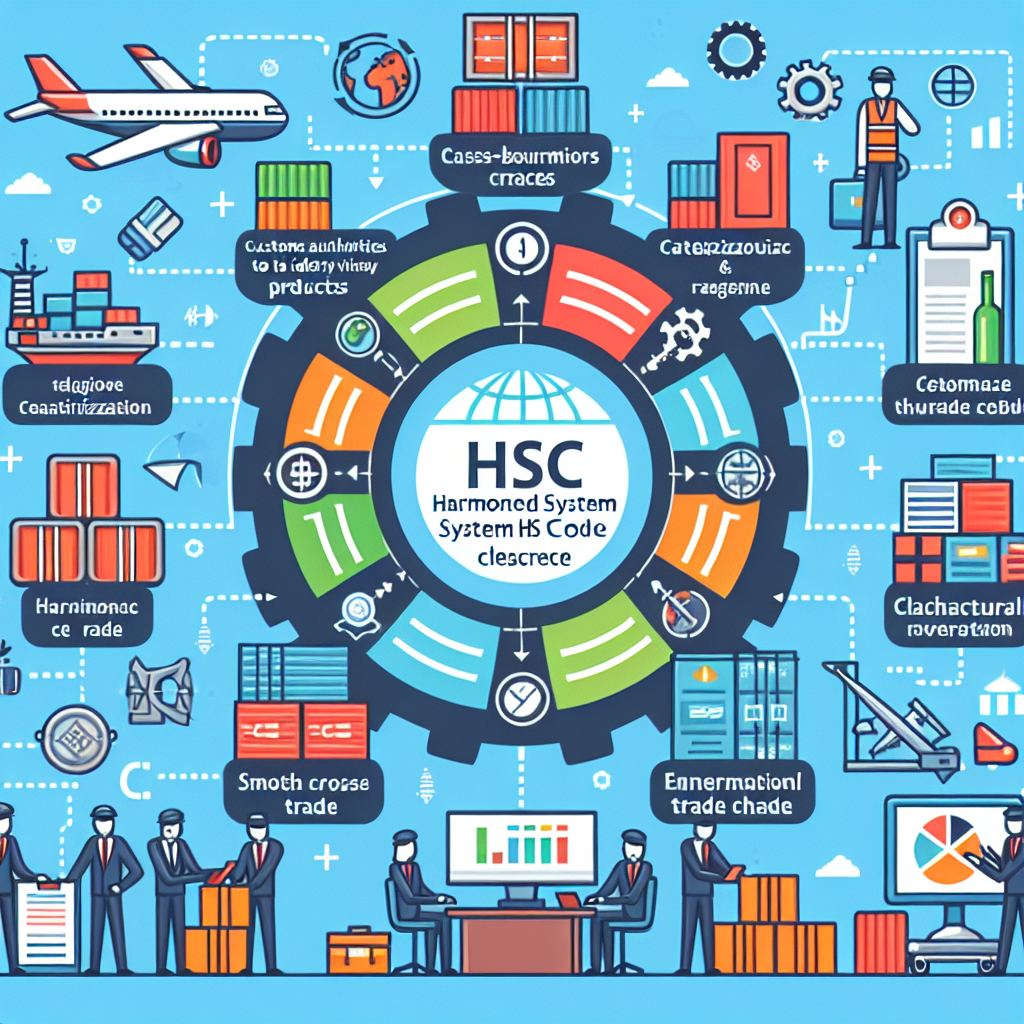
So, you’re probably wondering what exactly the role of the Harmonized System (HS) code is when it comes to customs clearance. Well, let me break it down for you. The HS code acts as a universal language for products, allowing customs authorities around the world to easily identify and classify goods being imported or exported. It plays a crucial role in ensuring smooth and efficient customs processes, as it helps determine the appropriate duties, taxes, and regulatory requirements that apply to each product. So, whether you’re a business owner or a curious traveler, understanding the significance of the HS code can greatly simplify your customs clearance experience.

Understanding the Harmonized System (HS) Code
Definition of the Harmonized System (HS) Code
The Harmonized System (HS) Code is an internationally recognized numerical classification system used to standardize and classify goods traded across national borders. It is a comprehensive system that assigns a unique code to every product and commodity, facilitating trade and streamlining customs procedures. The HS Code ensures uniformity in the classification of goods for statistical, regulatory, and tariff purposes.
Standardization and Classification
The HS Code provides a standardized and internationally accepted classification for goods. It serves as a common language for traders, customs officials, and other stakeholders involved in international trade. With consistent classification, the HS Code helps to eliminate confusion and misinterpretation of product descriptions, ensuring transparency and accuracy in customs clearance processes. It allows for easy identification and comparison of goods, regardless of the country of origin or destination.
Hierarchy and Structure of the HS Code
The HS Code follows a hierarchical structure that consists of six digits. Each digit represents a different level of classification, with the first two digits representing the chapter, the following four digits representing the heading and subheading, and the last two digits representing the product code. This hierarchical structure allows for a detailed classification of goods, enabling customs officials to identify and differentiate between various types of products. The HS Code is regularly updated to account for new products and changing trade patterns.
Role of HS Code in International Trade
The HS Code plays a crucial role in international trade by facilitating customs clearance, tariff determination, regulatory compliance, and trade documentation. It helps customs authorities determine the appropriate import duties and taxes applicable to specific products. Additionally, the HS Code enables businesses to classify and describe their products accurately, reducing the risk of delays, penalties, or disputes during customs clearance. The harmonized classification system also promotes consistency and harmonization in trade data collection, analysis, and reporting.
Importance of the HS Code for Customs Clearance
Ensuring Accurate Classification of Goods
One of the primary functions of the HS Code in customs clearance is to ensure the accurate classification of goods. By assigning a unique code to each product, the HS Code helps customs officials determine the correct category and subcategory under which the goods fall. This classification is essential for applying the correct import duties, taxes, and trade regulations. Accurate classification is vital to avoid overpayments or underpayments of duties and taxes and to prevent potential disputes or penalties.
Determining Applicable Import Duties and Taxes
Customs authorities use the HS Code to determine the applicable import duties and taxes for specific goods. Each HS Code is linked to a specific tariff schedule, which provides the relevant duty rates for each category of goods. By correctly identifying the HS Code, importers can calculate the accurate amount of duties and taxes payable on their shipments. This transparency and predictability in tariff determination are crucial for trade planning and cost estimation.
Regulatory Compliance and Documentation
The HS Code plays a crucial role in ensuring regulatory compliance and supporting documentation requirements for customs clearance. Customs declarations and other trade-related documents, such as commercial invoices, packing lists, and certificates of origin, must include the HS Code of the goods being imported or exported. This requirement helps customs authorities verify the accuracy of the declared information and verify compliance with relevant trade regulations, standards, and safety requirements.
Risk Management and Security Measures
Another important aspect of the HS Code in customs clearance is its role in risk management and security measures. Customs officials use the HS Code to identify goods that may pose a risk to national security, public health, or the environment. By accurately classifying goods, customs authorities can enforce controls on prohibited or restricted items, detect contraband, and enhance supply chain security. The HS Code also allows for the implementation of targeted inspections and risk-based approaches to customs clearance.
Facilitating Trade and Streamlining Processes
The HS Code serves as a common language for traders, customs authorities, and other parties involved in international trade. Its standardized classification system reduces barriers to trade by simplifying procedures and documentation requirements. With consistent classification and uniform codes, customs clearance processes become more efficient and streamlined. The HS Code enables the automation and electronic exchange of trade-related information, reducing paperwork, delays, and costs associated with manual processing.
Classification and Identification of Goods
Defining Product Characteristics
The HS Code is crucial for defining and identifying the characteristics of products. It takes into account various factors such as composition, materials, functionality, and purpose to determine the correct classification of goods. By examining these characteristics, customs officials can accurately classify goods and apply the appropriate import duties, taxes, and regulatory requirements. The HS Code allows for a detailed description of goods, ensuring that each product is classified correctly based on its specific attributes.
Establishing Tariff Classification
The HS Code is the foundation for establishing tariff classification. Each HS Code is linked to a specific tariff schedule, which provides the duty rates and regulations applicable to goods falling within that category. By assigning the correct HS Code to a product, importers and exporters can identify the tariff classification and associated rates for their goods. This classification is crucial for determining the cost implications of importing or exporting specific products and for remaining compliant with trade regulations and agreements.
Differentiating Similar Goods
The HS Code enables the differentiation of similar goods based on their distinct characteristics. Goods that may have similar names or appearances can be classified differently under the HS Code due to variations in composition, functionality, or intended use. By providing a detailed classification system, the HS Code ensures that different products are correctly identified and subjected to the appropriate customs procedures, duties, and taxes. This differentiation is crucial for accurate trade data collection, analysis, and reporting.
Harmonized System vs. National Customs Tariffs
The HS Code serves as an international standard for goods classification, providing a common basis for trade across countries. While the HS Code aligns classification internationally, individual countries may have their own additional customs tariffs and regulations. These national customs tariffs may further refine the classification and determine additional duty rates or requirements specific to that country. It is essential for traders to be aware of both the HS Code and any additional country-specific tariffs or regulations when importing or exporting goods.

Determining Applicable Customs Duties and Taxes
Linking HS Codes to Tariff Schedule
HS Codes are linked to specific tariff schedules, which provide the applicable duty rates and regulations for each category of goods. By linking the HS Code to the tariff schedule, customs officials can quickly refer to the relevant duty rates and regulations for a specific product. This linkage streamlines the process of determining the applicable customs duties and taxes, ensuring consistency and accuracy in tariff determination.
Import Duty Calculation
Import duty calculation is a crucial step in customs clearance, and the HS Code plays a vital role in this process. By correctly identifying the HS Code of the imported goods, importers can calculate the accurate amount of duties payable. In some cases, customs authorities may use the transaction value of the goods, while in others, they may rely solely on the HS Code and the associated duty rates. Accurate import duty calculation helps importers estimate costs, plan their finances, and comply with customs regulations.
Harmonized System and Trade Agreements
The HS Code is integral to trade agreements and preferential trade arrangements between countries. Trade agreements often include provisions for specific goods, such as reduced or zero tariffs, based on their HS Code classification. By linking the HS Code to the relevant trade agreement, customs authorities can apply the preferential tariff rates in accordance with the agreed terms. The HS Code therefore plays a crucial role in ensuring the proper implementation of trade agreements and facilitating preferential trade between countries.
Preferential Tariffs and Trade Blocs
Trade blocs such as regional economic communities or free trade agreements rely on the HS Code to determine preferential tariff rates. These agreements often provide reduced or zero tariffs for goods originating from member countries. By correctly classifying goods under the relevant HS Code, importers and exporters can benefit from these preferential tariff rates, enhancing trade competitiveness and fostering economic integration. The HS Code acts as a key tool in ensuring the proper application of preferential tariffs within trade blocs.
Regulatory Compliance and Documentation Requirements
Customs Declarations and Forms
Customs declarations are a fundamental requirement for customs clearance, and the HS Code is an essential component of these declarations. Importers and exporters must include the HS Code of their goods in the customs declaration form, providing accurate and detailed information about the products being imported or exported. Customs officials rely on this information to verify compliance with trade regulations, assess the appropriate duties and taxes, and ensure the safety and security of goods.
Legal Obligations and Reporting
The HS Code helps importers and exporters fulfill their legal obligations regarding trade reporting and documentation. Providing the accurate HS Code in customs declarations and other trade-related documents is a legal requirement in many countries. By complying with these obligations, businesses ensure transparency, accuracy, and consistency in trade reporting. It also helps customs authorities collect reliable data for trade statistics, economic analysis, and policy-making.
Verification and Validation of HS Code
Customs authorities may conduct random or targeted verifications and validations of the HS Codes declared on import and export documentation. These verifications aim to ensure the accuracy of the HS Code assigned to goods and verify compliance with applicable trade regulations. Inaccurate or fraudulent HS Codes may result in penalties, fines, or even legal consequences. Businesses must maintain proper records and documentation to support the assigned HS Code and be prepared for potential verifications or validations by customs authorities.
Ensuring Transparency and Accuracy
The HS Code promotes transparency and accuracy in customs clearance by providing a standardized classification system. Transparent and accurate classification of goods allows for consistent interpretation by customs authorities around the globe. This consistency helps to avoid confusion, disputes, or delays in customs clearance processes. By ensuring the correct HS Code is assigned and accurately documented, businesses contribute to the overall integrity of trade data and facilitate efficient customs procedures.
Risk Management and Security Measures
Customs Valuation and Control
Properly identifying and classifying goods using the HS Code is essential for customs valuation and control purposes. Customs authorities rely on accurate classification to determine the customs value of imported goods, which is used to calculate import duties and taxes. Inflating or misrepresenting the HS Code classification to manipulate customs valuation may result in penalties or fines. The HS Code also assists customs authorities in implementing adequate control measures to prevent smuggling, tax evasion, or the import of counterfeit or restricted goods.
Detecting Contraband and Prohibited Items
The HS Code assists customs officials in detecting contraband and prohibited items. By accurately classifying goods, customs authorities can identify items that are illegal to import, export, or transit through a country’s borders. The HS Code helps customs officials target inspections and apply appropriate risk-based approaches to identify potential smuggling or illicit activities. The classification system enables a systematic and consistent approach to identifying prohibited goods and enforcing border control measures.
Identification of Restricted Goods
Certain goods may be subject to restrictions or require special permits based on their HS Code classification. These restrictions can include goods related to public health, safety, the environment, or cultural artifacts. The HS Code helps customs authorities identify restricted goods and enforce the necessary regulations and permits associated with their importation or exportation. It ensures that the proper controls and licensing requirements are in place to prevent the unauthorized trade of restricted or sensitive goods.
Enhancing Supply Chain Security
Proper classification and identification of goods using the HS Code enhances supply chain security by enabling risk-based approaches and targeted security measures. Customs authorities can apply advanced screening technologies, data analytics, and intelligence-driven risk management systems to identify high-risk shipments or suspicious activities. The HS Code plays a critical role in these security measures by accurately identifying the goods, allowing for the implementation of appropriate security protocols and controls throughout the supply chain.

Harmonized System Code and Trade Facilitation
Harmonization Efforts and Global Standardization
The HS Code contributes to trade facilitation by promoting harmonization and global standardization in goods classification. With a universally recognized classification system, the HS Code helps minimize discrepancies and disparities across countries. It supports the compatibility of trade data, simplifies data exchange, and fosters cooperation among customs authorities and other stakeholders involved in global trade. Harmonization efforts and global standardization contribute to the efficient movement of goods, reduced trade barriers, and increased predictability in customs clearance processes.
Simplification of Customs Procedures
The HS Code simplifies customs procedures by providing a standardized classification system for goods. By adopting the HS Code, countries can align their customs procedures, documentation requirements, and data collection processes with international best practices. This simplification and harmonization of procedures reduce the administrative burden on businesses and streamline customs clearance processes. It also enhances the predictability and transparency of customs operations, enabling businesses to plan and execute their trade activities more efficiently.
Automated Systems and Electronic Data Interchange
The HS Code plays a vital role in the automation of customs procedures and the electronic exchange of trade-related information. Electronic data interchange (EDI) systems allow for the seamless transmission of trade data between traders and customs authorities in a standardized format. The HS Code is a key element in this electronic data exchange, enabling automated processing, risk assessment, and trade facilitation. Automated systems based on the HS Code minimize manual intervention, reduce paperwork, and expedite customs clearance processes.
Trade Facilitation Agreements and Harmonized System
Trade facilitation agreements recognize the importance of the HS Code in streamlining customs procedures and promoting efficient trade. These agreements, such as the World Trade Organization’s Trade Facilitation Agreement (TFA), emphasize the use of the HS Code for accurate goods classification, transparent tariff determination, and streamlined documentation requirements. The HS Code is a critical tool in implementing these trade facilitation measures, enabling countries to meet their obligations under trade facilitation agreements and enhance the efficiency of their customs clearance processes.
Integration of HS Code in Customs Clearances
HS Code on Customs Declarations
In customs clearances, the HS Code is a mandatory requirement on customs declaration forms. Importers and exporters must accurately declare the HS Code of the goods being imported or exported, ensuring compliance with customs regulations. Customs authorities rely on this information to determine the appropriate duties, taxes, and trade regulations for the goods. The correct classification of goods through the HS Code facilitates efficient customs clearance and reduces the risk of delays, penalties, or disputes.
Verification and Inspection Procedures
To ensure compliance and accuracy, customs authorities may conduct verifications and inspections of goods based on their HS Code classification. These procedures aim to verify the information declared on customs documents, confirm goods’ compliance with trade regulations, and ensure the accuracy of the HS Code assigned. Random or targeted inspections help customs authorities enforce applicable regulations and prevent fraud, smuggling, or the import of prohibited or counterfeit goods.
Customs Control and Release of Goods
Customs control and release of goods are contingent on the accurate classification of goods using the HS Code. Customs authorities rely on this classification to determine the appropriate customs procedures, duties, and taxes applicable to the goods. By correctly classifying goods, importers can ensure timely release of their shipments, avoid unnecessary delays, and comply with customs requirements. The HS Code is a critical element in ensuring the smooth flow of goods across borders and facilitating the release process.
Customs Audit and Post-Clearance Evaluation
Customs audits and post-clearance evaluations may involve a review of the assigned HS Codes for imported or exported goods. These audits aim to assess compliance with customs regulations, verify the accuracy of customs declarations, and detect any potential errors or discrepancies in the classification of goods. Harmonized and consistent HS Code assignment supports proper post-clearance evaluation and assists customs authorities in identifying any non-compliance issues or areas for improvement in customs procedures.
Common Challenges and Issues
HS Code Misclassification
One common challenge in customs clearance is the misclassification of goods under the HS Code. Errors in HS Code assignment can lead to inaccurate tariff determination, non-compliance with trade regulations, and potential penalties or fines. To avoid this challenge, it is essential for businesses to understand the classification system and seek expert advice when unsure about the correct HS Code for their goods. Regular training and awareness programs can help enhance knowledge and reduce the risk of misclassification.
Inconsistencies in Classification Interpretation
The interpretation and application of the HS Code can vary between countries, leading to inconsistencies in goods classification. Different customs authorities may have different interpretations of the HS Code’s subheadings or specific product attributes. These inconsistencies can result in disputes or delays during customs clearance. Efforts to promote harmonization and shared understandings of the HS Code among customs authorities can help reduce these inconsistencies and ensure consistent interpretation and application of the classification system.
Complexity of HS Code Structure
The hierarchical structure and detailed classification system of the HS Code can make it complex and challenging to navigate. With thousands of product categories and subcategories, finding the appropriate code for a specific product can be time-consuming and confusing. Businesses should invest in resources, such as online databases and expert guidance, to assist in the accurate identification and classification of goods. Customs authorities can also provide support and guidance to importers and exporters in determining the correct HS Code for their goods.
Legislative and Regulatory Updates
Legislative and regulatory updates can impact the HS Code classification of certain goods. Changes in trade policies, updated product descriptions, or the addition of new products may require businesses to reassess and update their HS Codes. It is crucial for importers and exporters to stay updated on legislative changes, regulatory updates, and related explanatory notes to ensure accurate classification and compliance with trade regulations. Regularly reviewing and updating HS Codes can help prevent potential errors or non-compliance issues during customs clearance.
Conclusion
The Harmonized System (HS) Code is a vital component of customs clearance, facilitating efficient trade, ensuring accurate classification of goods, and supporting regulatory compliance. Its standardized classification system allows for uniformity and transparency across borders, serving as a common language for traders, customs authorities, and other stakeholders. The HS Code’s role in determining import duties and taxes, enhancing supply chain security, and promoting trade facilitation makes it an indispensable tool in international trade. Understanding the HS Code, its hierarchy, and its application is crucial for businesses involved in cross-border trade to navigate customs clearance processes successfully.
