
Where To File ISF For Waist Support
Have you ever found yourself feeling uncomfortable because of lower back pain, especially when sitting for long periods? If so, you’re not alone. Many people face such challenges, and finding the right support can make all the difference. One popular solution is the use of waist support—often in the form of braces or belts—that not only provides comfort but also prevents further injury.
If you’ve decided to invest in waist support, you might be wondering about ISF. What exactly is ISF? Where do you file ISF for waist support? Let’s get into it and give you a comprehensive understanding.
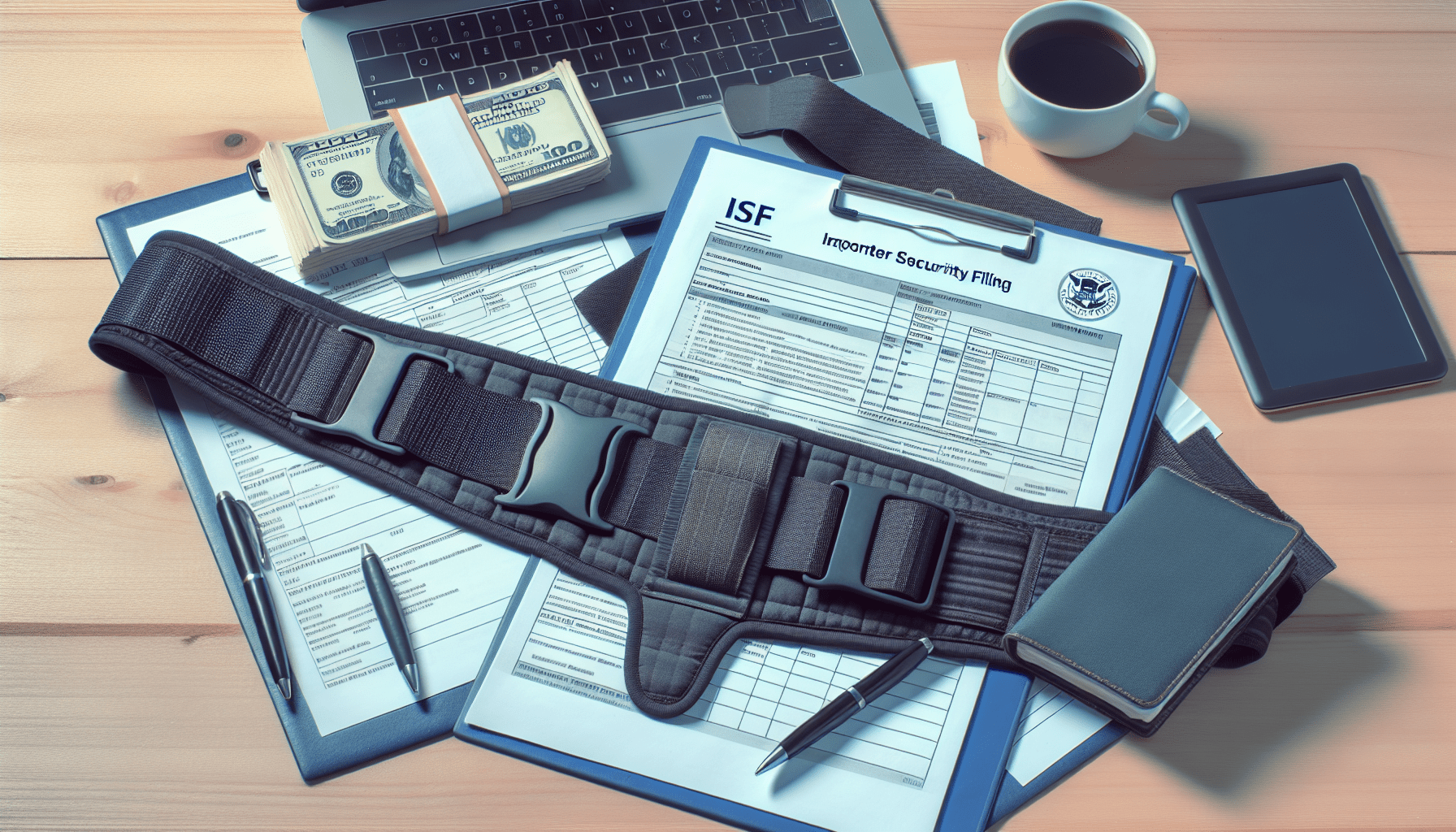
Understanding ISF: What Is It?
ISF stands for Importer Security Filing. This is a set of regulations administered by the U.S. Customs and Border Protection (CBP) aimed at enhancing the security of cargo entering the United States. The ISF requires importers to provide specific data elements ahead of cargo arrival. This is crucial for maintaining the integrity of the global supply chain.
It’s important to understand that filing ISF is not just a formality; it can significantly impact the efficiency of your shipping process. If you’re importing waist supports, knowing how to comply with ISF requirements is essential.
Importance of Filing ISF
Security and Compliance
Filing ISF helps in maintaining national security by allowing authorities to assess the risk associated with incoming shipments. Timely and accurate ISF filings reduce the likelihood of unnecessary delays or inspections, which can save you time and money.
Avoiding Penalties
Failure to file ISF or submitting incorrect information can lead to severe penalties. The CBP can impose fines that can escalate quickly, impacting your budget for waist support. Being compliant not only safeguards your investment but also encourages smoother business operations.
Steps to File ISF for Waist Support
Identify the Requirements
Before filing ISF for waist support or any other product, recognize the specific data elements you must submit. Typically, these include:
- Manufacturer Name and Address
- Seller Name and Address
- Buyer Name and Address
- Ship to Name and Address
- Country of Origin
- Description of Goods
Gather Necessary Documentation
You will need to compile the appropriate documentation. This includes purchase orders, invoices, and other shipping details. Having accurate and well-organized documents will facilitate the filing process.
Choose Your Filing Method
You have several options for filing ISF:
-
Self-Filing
- If you’re comfortable with customs regulations and have the time, self-filing is an option.
-
Hire a Customs Broker
- Many importers opt to hire a customs broker. They are experienced professionals who specialize in customs regulations and can ensure that your ISF is filed correctly and on time.
-
Use a Freight Forwarder
- Freight forwarders can often handle ISF filings as part of their services, making it easier for you.
Complete the ISF Filing
Fill out the ISF form with the required information you’ve gathered. Ensure that each data element is accurate to avoid complications in the future.
Confirm Receipt
Once you’ve filed the ISF, you should receive a confirmation. Keep this receipt for your records, as it may be needed for future reference or audits.

Where to File ISF for Waist Support
Direct Submission to CBP
Filing ISF must be done electronically before your shipment departs for the United States. You would generally submit your ISF through the Automated Broker Interface (ABI) or directly to CBP through your customs broker.
Using Customs Broker Services
If you decide to go this route, you’ll provide your customs broker with the necessary information. They will handle the submission and further correspondence with CBP on your behalf. This often mitigates errors and speeds up the compliance process.
The Timeline for Filing ISF
Timing Matters
You must file the ISF at least 24 hours before the cargo is loaded onto the vessel for transportation to the U.S. This lead time is crucial for the CBP to assess the information provided and make any necessary arrangements for inspections or queries.
Keeping Track of Changes
If any details about the shipment change after the initial filing, it’s your responsibility to update the ISF as soon as possible to avoid compliance issues.
Common Mistakes When Filing ISF
Inaccurate Information
One of the most common pitfalls in ISF filings is providing inaccurate data. Make sure you double-check all entries to avoid delays or penalties.
Missing Deadlines
Failing to file on time can result in hefty fines. Set reminders for yourself to ensure you stay on top of your filing schedule.
Neglecting Updates
If there are changes to your shipment, update the ISF ASAP. Ignoring updates can lead to complications during inspections or even shipments being blocked at the port.
Benefits of Proper ISF Filing
Smooth Customs Clearance
Proper filing of ISF ensures that your waist support shipments clear customs without unnecessary holdups. This means quicker access to your products, which can be particularly important if you have a tight deadline.
Better Relationship with Customs
When you consistently provide accurate and timely ISF submissions, it fosters a positive relationship with customs authorities. This can lead to quicker processing times in the future.
Additional Resources for Filing ISF
U.S. Customs and Border Protection (CBP) Website
The official CBP website provides extensive information about ISF requirements. Familiarizing yourself with this resource can help you understand the ins and outs of customs regulations.
Customs Broker Associations
Many associations provide resources and networking opportunities for customs brokers. If you decide to go this route, these associations can be helpful in finding reliable professionals in your area.
Final Thoughts
Navigating the complexities of ISF filing for waist support or any other products can seem overwhelming at first. However, by understanding the requirements and steps involved, you’ll find that it can actually be quite manageable. Remember, staying organized and proactive will not only save you time but will also help you avoid potential pitfalls.
Whether you choose to file ISF on your own, enlist the help of a customs broker, or partner with a freight forwarder, being well-informed will go a long way. Don’t hesitate to seek assistance or utilize available resources to ensure that your imports arrive smooth and compliant.
Now that you’re armed with knowledge about where and how to file ISF for waist support, you can take the necessary steps confidently. Combatting discomfort and optimizing your physical wellbeing can start with the right support—and that includes understanding the logistics of getting it to you.