
Customs Clearance For Laboratory Supplies
So you’ve just received a shipment of much-needed laboratory supplies, but now comes the tricky part – customs clearance. Navigating the bureaucratic maze of paperwork and regulations can be overwhelming, but fear not! In this article, we will guide you through the process of customs clearance for laboratory supplies, ensuring a smooth and hassle-free experience. From understanding necessary documentation to dealing with customs agents, we’ve got you covered. So let’s get started and ensure those valuable supplies make it to your lab in no time!
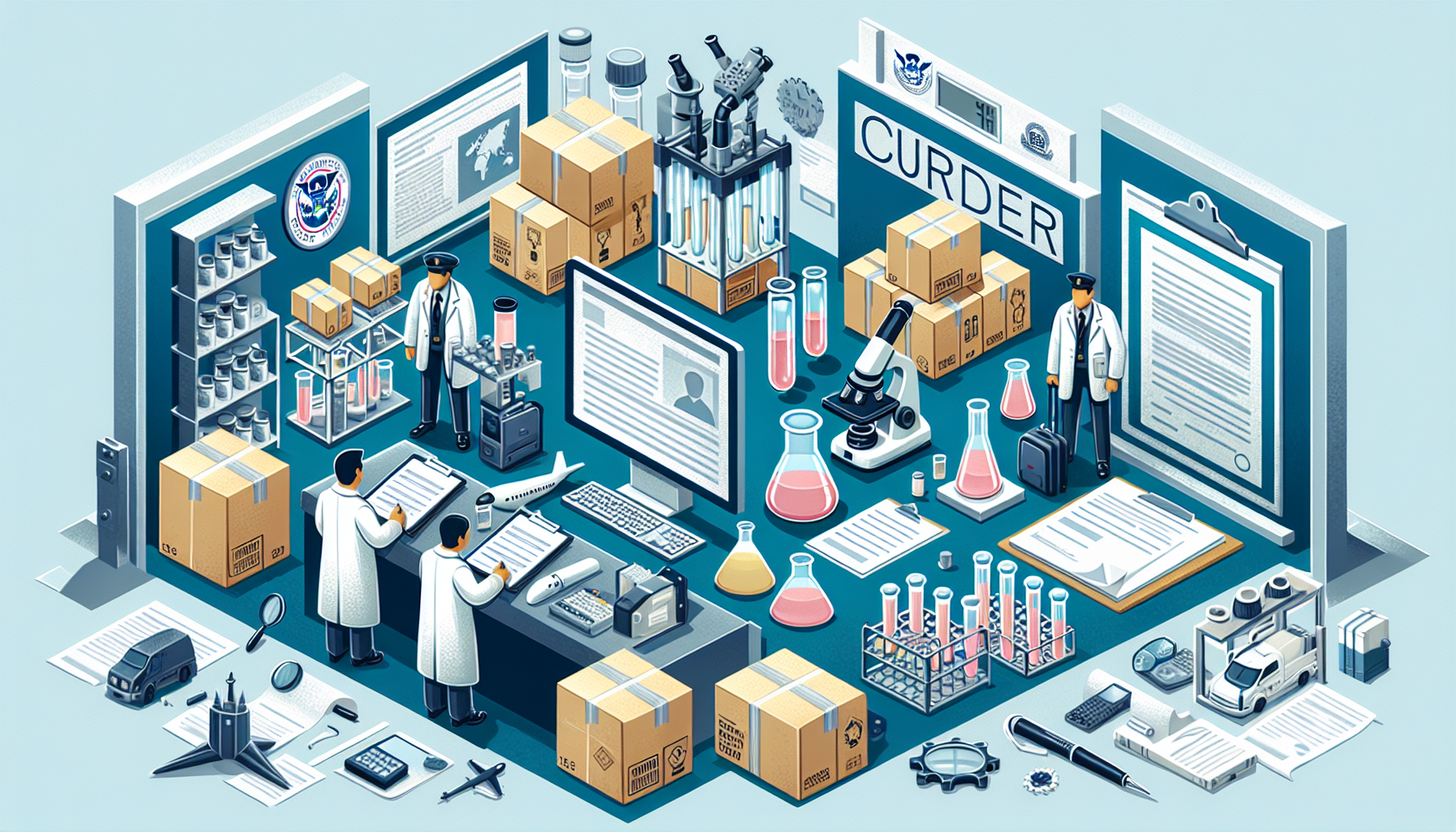

Understanding Customs Clearance for Laboratory Supplies
Customs clearance is the process by which imported or exported goods are inspected, verified, and authorized by customs authorities. It is an essential step in the international trade of laboratory supplies, ensuring compliance with regulations and facilitating the smooth movement of goods across borders.
What is Customs Clearance?
Customs clearance involves the submission of required documentation, payment of applicable duties and taxes, physical inspection of goods, and compliance with import or export regulations. It is a complex process that requires careful attention to detail and adherence to legal requirements.
Why is Customs Clearance Important for Laboratory Supplies?
Customs clearance is crucial for laboratory supplies due to several reasons. Firstly, it ensures that all imported or exported goods meet the necessary quality standards and regulations to protect public health and safety. Secondly, it facilitates the flow of goods by minimizing delays and avoiding penalties or confiscations. Additionally, customs clearance enables the accurate assessment and collection of duties and taxes, thereby contributing to the economic stability of the importing or exporting country.
Preparing for Customs Clearance
Before initiating the customs clearance process for laboratory supplies, several steps need to be taken to ensure a smooth and successful outcome.
Identifying the Import or Export Requirements
The first step in preparing for customs clearance is to identify and understand the specific import or export requirements for laboratory supplies. This includes determining if any licenses or permits are required, familiarizing yourself with relevant regulations, and being aware of any restrictions or prohibitions that may apply.
Gathering Relevant Documentation
Accurate and complete documentation is vital for customs clearance. It is essential to gather all the necessary paperwork before submitting the customs entry. This typically includes commercial invoices, packing lists, certificates of origin, bills of lading, and any other specific documents required by customs authorities.
Determining Duties and Taxes
To prepare for customs clearance, it is crucial to determine the applicable duties and taxes for your laboratory supplies. These fees are usually based on factors such as the value of the goods, their classification under the Harmonized System Code, and any relevant trade agreements or preferential tariffs. Understanding these costs in advance will allow you to allocate necessary funds and avoid surprises during the clearance process.
Engaging a Customs Broker
Navigating the complex customs clearance process can be challenging, especially for laboratory supplies that may require specialized knowledge. Engaging the services of a licensed customs broker can greatly simplify the process. A customs broker acts as an intermediary between you and customs authorities, ensuring compliance and handling the necessary documentation and procedures on your behalf. Their expertise and familiarity with customs regulations can save you time, effort, and potential costly mistakes.


Submitting the Customs Entry
Once the necessary preparations have been made, it is time to submit the customs entry for your laboratory supplies. This step involves completing various forms and providing detailed information about the goods being imported or exported.
Completing the Customs Entry Form
The customs entry form is a critical document that must be accurately completed. It serves as a declaration of the goods being traded and provides customs authorities with the information they need to assess duties, taxes, and compliance. Ensure that all fields are filled out correctly, including the quantity and description of the laboratory supplies, as well as their value and classification details.
Providing Product Information
In the customs entry, it is crucial to provide comprehensive product information for your laboratory supplies. This includes details such as the brand and model, the purpose of the goods, and any specific characteristics or components that may be relevant for classification or regulatory compliance. The more detailed and accurate your product information is, the smoother the customs clearance process is likely to be.
Including the Harmonized System Code
The Harmonized System (HS) Code is a standardized numerical classification system used globally to classify traded products. Including the correct HS Code for your laboratory supplies is essential for customs clearance. This code determines the applicable duties, taxes, and regulatory requirements for the goods. Ensure that you assign the most accurate and appropriate HS Code to your products, as any discrepancies can lead to delays or penalties.
Detailing the Value of the Shipment
Properly documenting the value of your laboratory supplies is crucial for customs clearance. The declared value should accurately reflect the transaction price and includes any additional costs, such as freight or insurance charges. You may be required to provide supporting documentation, such as invoices or receipts, to verify the declared value. Under-declaring or misrepresenting the value of your goods can lead to delays, penalties, or even seizure of the shipment.
Declaring Any Necessary Licenses or Permits
If your laboratory supplies require specific licenses or permits to be imported or exported, it is vital to declare them accurately in the customs entry. Failure to do so can result in non-compliance and potential legal consequences. Ensure that you have obtained all the necessary permits or licenses before submitting the customs entry and include the relevant information in the appropriate sections of the form.
Paying Duties and Taxes
Once the customs entry has been submitted and processed, it is time to pay any applicable duties and taxes. Understanding the calculation and payment methods is essential to ensure smooth customs clearance.
Calculating Duties and Taxes
Duties and taxes are typically calculated based on the value and classification of the laboratory supplies. The customs authorities use this information to determine the amount owed. It is essential to understand the specific formula used by the customs authorities in your country to calculate these fees accurately.
Allocating Duties and Taxes
When paying duties and taxes, it is crucial to allocate the costs correctly. Depending on the terms of the sales agreement or international trade practices, the responsibility for these fees may lie with either the importer or the exporter. Ensure that you have agreed upon this allocation in advance and have the necessary funds available to cover the costs.
Methods of Payment
Customs authorities often provide various methods of payment for duties and taxes, such as bank transfers, credit cards, or cash. It is important to familiarize yourself with the available payment options and choose the one that is most convenient and secure for your laboratory supplies. Be sure to comply with any specific payment instructions provided by the customs authorities to avoid delays or complications.
Complying with Customs Reporting Requirements
In addition to paying duties and taxes, it is crucial to comply with any customs reporting requirements. This may include providing additional documentation or information, filing specific reports or forms, or fulfilling any other obligations set by customs authorities. Failure to comply with these requirements can result in penalties or delays in the customs clearance process.
Physical Inspection and Laboratory Testing
As part of the customs clearance process for laboratory supplies, physical inspection and laboratory testing may be conducted to ensure compliance with regulations and quality standards. There are different types of inspections that can take place.
Random Inspection
Customs authorities may conduct random inspections to verify the accuracy of documentation, ensure compliance with regulations, and prevent smuggling or fraudulent activities. Laboratory supplies may be selected randomly for inspection, and the process typically involves physical examination, review of accompanying documents, and verification of product information.
Risk-Based Inspection
In certain cases, customs authorities may conduct risk-based inspections on laboratory supplies. This approach focuses on identifying and inspecting goods that are considered higher risk due to various factors, such as the country of origin, the nature of the goods, or past compliance history. Risk-based inspections aim to prioritize resources effectively and target goods that are more likely to be non-compliant.
Releasing the Goods for Lab Testing
Once the physical inspection is complete and the laboratory supplies have been determined to meet the necessary requirements, customs authorities will release the goods for lab testing. This allows the goods to be further analyzed or tested according to specific regulatory or quality standards. It is crucial to ensure that the necessary arrangements are made to facilitate this testing process promptly.
Sample Collection and Testing Procedures
If the laboratory supplies require laboratory testing, customs authorities may collect samples from the shipment for analysis. These samples are typically handled according to specific procedures and protocols to maintain their integrity and accuracy. It is important to cooperate with the customs authorities during the sample collection process and provide any necessary assistance to ensure the smooth execution of the tests.
Clearance Decision
After the customs entry has been processed, and all inspections and tests have been conducted, a clearance decision will be made. This decision determines whether the laboratory supplies comply with the relevant regulations and can be released for further distribution or use.
Determining Compliance with Regulations
The primary factor in the clearance decision is whether the laboratory supplies meet the required regulations and standards. Customs authorities review the information provided in the customs entry, the results of any inspections or tests, and any supporting documentation to make this determination. If the goods are found to be in compliance, a clearance decision will be issued.
Proceeding with the Clearance
If the laboratory supplies are deemed to be in compliance, customs authorities will proceed with the clearance process. This typically involves processing the necessary documentation, updating the import or export records, and notifying the relevant parties of the successful clearance. It is crucial to ensure that all necessary post-clearance tasks are completed promptly to avoid any unnecessary delays or issues.
Requesting Additional Documentation or Information
In some cases, customs authorities may require additional documentation or information to make an informed clearance decision. This may be due to discrepancies in the provided documentation, the need for further clarification, or any other reason deemed necessary by the customs authorities. It is essential to respond promptly and provide the requested documentation or information to avoid any delays or potential denial of clearance.
Denying Clearance and Appeal Procedures
If the laboratory supplies are found to be non-compliant with regulations, customs authorities may deny clearance. In such cases, the importer or exporter has the right to appeal the decision and provide additional evidence or explanations to support their case. It is essential to follow the specific appeal procedures established by the customs authorities and provide any necessary documentation to strengthen your position.

Delays and Issues
Despite careful preparation and adherence to regulations, delays and issues can arise during the customs clearance process for laboratory supplies. Understanding common challenges and knowing how to address them is crucial for a successful outcome.
Common Delays in Customs Clearance
Delays in customs clearance can occur due to various reasons, such as incomplete documentation, discrepancies in the provided information, physical inspection requirements, or issues with permits or licenses. To minimize delays, it is important to ensure that all necessary documentation is complete and accurate, and that all regulatory requirements are met before submitting the customs entry.
Resolving Documentation or Information Discrepancies
If discrepancies or errors are identified in the documentation or information provided for customs clearance, it is vital to resolve them promptly. This may involve providing additional documentation, clarifying any misunderstandings, or rectifying any mistakes. Maintaining open lines of communication with customs authorities and promptly addressing any discrepancies will help minimize delays and facilitate a smooth clearance process.
Addressing Customs Holds or Seizures
In some cases, customs authorities may place a hold on laboratory supplies or even seize them due to non-compliance with regulations or other issues. If your goods are subject to a customs hold or seizure, it is crucial to act swiftly and appropriately. Consult with a customs broker or compliance specialist to understand the reasons for the hold or seizure and determine the best course of action for resolution.
Seeking Assistance from Compliance Specialists
Navigating the customs clearance process can be complex, especially when dealing with laboratory supplies that may have unique regulatory requirements. In challenging situations or when encountering persistent delays or issues, seeking assistance from compliance specialists can be beneficial. These professionals have in-depth knowledge of customs regulations and can provide guidance and support to ensure compliance and smooth customs clearance for your laboratory supplies.
Post-Clearance Responsibilities
After the laboratory supplies have successfully cleared customs, there are several post-clearance responsibilities that must be fulfilled to maintain compliance and facilitate future trade operations.
Maintaining Records and Documentation
It is essential to maintain accurate records and documentation related to the customs clearance for your laboratory supplies. This includes retaining copies of the customs entry, invoices, bills of lading, and any other relevant documents. Maintaining these records for the required period will allow for easy reference, audit compliance, and future reporting obligations.
Reporting Changes or Corrections
If any changes or corrections need to be made to the information provided during customs clearance, it is important to report them promptly. This could include updating the customs entry, providing revised documentation, or notifying customs authorities of any relevant changes. Failure to report changes or corrections accurately and within the required timeframe may result in penalties or other compliance issues.
Complying with Post-Entry Amendments
In certain situations, you may need to amend the customs entry or make post-entry adjustments for your laboratory supplies. This could include corrections to declared values, classification updates, or changes to other pertinent information. It is important to comply with the specific post-entry amendment procedures established by customs authorities and provide any necessary documentation or proof to support the amendments.
Renewing or Updating Licenses and Permits
If your laboratory supplies require licenses or permits that have an expiration date, it is crucial to renew or update them in a timely manner. Keeping track of the validity period of these documents and proactively ensuring their renewal or update will prevent any disruptions in future customs clearance processes. It is recommended to maintain a calendar or reminder system to stay on top of all license and permit renewals.
Import and Export Regulations
Understanding and complying with import and export regulations is vital for successful customs clearance of laboratory supplies. These regulations can vary significantly between countries and may be subject to frequent changes. It is important to stay informed and up-to-date with the specific regulations applicable to your trade operations.
Understanding Import Regulations
Import regulations govern the entry of foreign goods into a country and typically include requirements related to customs clearance, product standards, safety regulations, and labeling requirements. Familiarizing yourself with the import regulations of the country you are importing laboratory supplies into is essential to ensure compliance and avoid any potential issues during customs clearance.
Ensuring Compliance with Export Controls
Export controls are regulations that govern the export of certain goods, technologies, or information from a country. These controls are in place to ensure national security, protect sensitive technologies, or comply with international agreements or treaties. It is crucial to understand the export controls applicable to your laboratory supplies and ensure compliance to avoid any penalties or legal consequences.
Navigating International Agreements and Treaties
International trade agreements and treaties can significantly impact the customs clearance process for laboratory supplies. These agreements establish preferential tariffs, reduce trade barriers, and harmonize regulations between participating countries. It is important to understand the implications of these agreements on the import or export of your laboratory supplies and take advantage of any benefits they provide.
Staying Up-to-Date with Regulatory Changes
Regulatory changes are common in international trade and can have a direct impact on the customs clearance process for laboratory supplies. It is crucial to stay up-to-date with changes in import/export regulations, customs procedures, duty rates, and any other relevant requirements. Regularly reviewing and monitoring regulatory updates and seeking assistance from customs brokers or compliance specialists can help ensure compliance and avoid unnecessary delays or penalties.
Customs Clearance Best Practices
To achieve an efficient and smooth customs clearance process for laboratory supplies, certain best practices should be followed. These practices can help streamline the process, reduce delays, and minimize the risk of non-compliance.
Establishing Strong Supplier Relationships
Maintaining strong relationships with your suppliers is crucial for successful customs clearance. By communicating your specific requirements and providing them with accurate and complete information, you can ensure that the necessary documentation and product details are provided in a timely manner. Strong supplier relationships can also help address any potential issues or discrepancies promptly, minimizing the risk of customs clearance delays.
Properly Packaging and Labeling Goods
Proper packaging and labeling of laboratory supplies play a significant role in the customs clearance process. Ensuring that your goods are packed securely, following international packaging standards and guidelines, will minimize the risk of damage during transportation and inspection. Additionally, labelling your goods accurately with legible and comprehensive information will facilitate identification and inspection procedures.
Providing Accurate and Complete Documentation
Accurate and complete documentation is paramount for successful customs clearance. Providing all required documents, including detailed invoices, packing lists, and certificates of origin, will expedite the clearance process. Ensure that all information provided is accurate and matches the details of your laboratory supplies. Any discrepancies or errors in the documentation can result in delays or potential non-compliance issues.
Team Collaboration and Communication
Collaboration and communication among the various stakeholders involved in the customs clearance process are essential for a seamless experience. Establishing clear lines of communication, both internally and externally, ensures that all parties are informed and involved in the necessary steps. This includes regular communication with customs brokers, suppliers, carriers, and any other relevant parties. By working together as a team, you can address any issues or challenges promptly and ensure a successful customs clearance for your laboratory supplies.
In conclusion, customs clearance for laboratory supplies is a complex process that requires careful preparation, compliance with regulations, and effective communication. By understanding the customs clearance requirements, gathering the necessary documentation, engaging customs brokers when needed, and following best practices, you can facilitate the smooth movement of your laboratory supplies across borders. Staying informed about import and export regulations, maintaining accurate records, and proactively addressing any issues or delays will contribute to successful customs clearance and uninterrupted trade operations.
