
What Is The Purpose Of Customs Clearance?
So you’ve ordered a package online, and now it’s stuck in customs. Ever wondered what exactly customs clearance is and why it’s necessary? Well, let’s unravel the mystery for you. Customs clearance is the process through which imported or exported goods are reviewed, documented, and approved by customs officials before they can enter or leave a country. Its purpose is to ensure that the goods comply with all relevant laws and regulations, including paying the necessary duties and taxes. In other words, customs clearance is like a passport for your package, giving it the green light to cross borders and reach its final destination.


Understanding Customs Clearance
Definition of Customs Clearance
Customs clearance refers to the process of fulfilling the necessary legal requirements and formalities to allow goods to enter or exit a country’s borders. It involves the submission of required documents, payment of any applicable duties or taxes, and compliance with specific regulations and standards. Customs clearance serves as a crucial checkpoint in international trade, ensuring that goods are properly documented, inspected, and approved for import or export.
Importance of Customs Clearance
Customs clearance plays a vital role in facilitating the smooth flow of goods across international borders. It serves several important purposes, including:
-
Regulatory Compliance: Customs clearance ensures that goods meet the necessary regulatory standards and requirements of the importing or exporting country. This helps protect public health and safety, prevent the entry of illegal or hazardous materials, and enforce intellectual property rights.
-
Revenue Collection: Customs duties, tariffs, and taxes are an essential source of revenue for governments. Customs clearance ensures that these obligations are met, contributing to the national economy.
-
Trade Facilitation: By streamlining the movement of goods, customs clearance promotes international trade and reduces trade barriers. It enables businesses to access new markets, expand their operations, and compete on a global scale.
-
Risk Mitigation: Through inspections and documentation checks, customs clearance helps mitigate risks associated with the movement of goods. It prevents the entry of counterfeit goods, illicit substances, or products that may harm public health or national security.
-
National Security: Customs clearance plays a crucial role in protecting national interests and security. It allows authorities to monitor the movement of goods, identify potential threats, and prevent the entry of items that may pose risks to the country.
Role of Customs Clearance in International Trade
Customs clearance is an integral part of international trade, acting as a facilitator and regulator. It serves as a bridge between exporters and importers, ensuring that goods are transported legally, safely, and efficiently across borders. The smooth functioning of customs clearance processes promotes global trade by minimizing delays, ensuring compliance with regulations, and fostering trust between trading partners. It helps create a level playing field for businesses, encourages fair competition, and stimulates economic growth on a global scale.
Customs Clearance Process
Document Preparation
The customs clearance process begins with document preparation. It involves gathering and organizing the necessary paperwork, including commercial invoices, packing lists, bills of lading, and any relevant permits or licenses. Proper documentation is essential for customs authorities to assess the nature, value, and origin of the goods, determine applicable duties and taxes, and verify compliance with specific rules and regulations. Accurate and complete document preparation is crucial to avoid delays and penalties during the clearance process.
Customs Documentation
Once the documents are prepared, they must be submitted to the customs authority for examination and processing. Customs documentation includes forms such as the customs declaration, which provides detailed information about the goods being imported or exported. This documentation enables customs officials to assess the legality, value, and classification of the goods, and verify compliance with regulatory requirements. It is essential to provide accurate and transparent information in customs documentation to ensure a smooth clearance process.
Customs Duties and Taxes
One of the key aspects of customs clearance is the determination and payment of applicable duties and taxes. Customs authorities levy these charges based on the type of goods, their value, and the country of origin or destination. Import duties and taxes are typically calculated as a percentage of the goods’ declared value and may include customs duties, value-added tax (VAT), excise taxes, and other charges. Compliance with customs duties and tax obligations is crucial to prevent delays, penalties, and potential legal consequences.
Ensuring Compliance
Customs Regulations
Compliance with customs regulations is a fundamental requirement of the customs clearance process. Each country has specific rules and regulations governing the import and export of goods, and it is essential to understand and adhere to these regulations. Customs authorities enforce regulations to ensure the protection of public health and safety, prevent the entry of illegal or counterfeit goods, and safeguard national security and economic interests. Understanding and complying with customs regulations is vital for seamless and lawful movement of goods across borders.
Compliance Requirements
Customs clearance involves meeting various compliance requirements, including:
-
Product Standards and Certifications: Some goods may require compliance with specific product standards or certifications to meet the importing country’s requirements. Adhering to these standards is important to ensure that goods are fit for their intended purpose and meet quality and safety standards.
-
Documentation Accuracy: Providing accurate and complete documentation is crucial for customs clearance. Any discrepancies or errors in documentation may delay the clearance process, result in penalties, or even lead to goods being seized or banned.
-
Restricted or Prohibited Goods: Certain goods are subject to restrictions or prohibitions based on their nature, intended use, or the importing country’s regulations. It is essential to identify and comply with any restrictions or prohibitions to avoid customs clearance issues.
-
Trade Compliance Programs: Many countries have established trade compliance programs to ensure adherence to international trade regulations. Participating in these programs, such as the Authorized Economic Operator (AEO) program, can provide benefits such as simplified customs procedures and enhanced supply chain security.
Trade Agreements and Tariffs
Trade agreements play a significant role in customs clearance. Countries often enter into bilateral or multilateral trade agreements to promote trade liberalization, reduce barriers, and establish preferential treatment for certain goods. These agreements may include provisions for reduced or eliminated customs duties, simplified customs procedures, and mutual recognition of standards. Importers and exporters should be aware of the trade agreements in place between relevant countries to take advantage of tariff reductions or exemptions and streamline customs clearance processes.

Efficient Movement of Goods
Facilitating Trade Flow
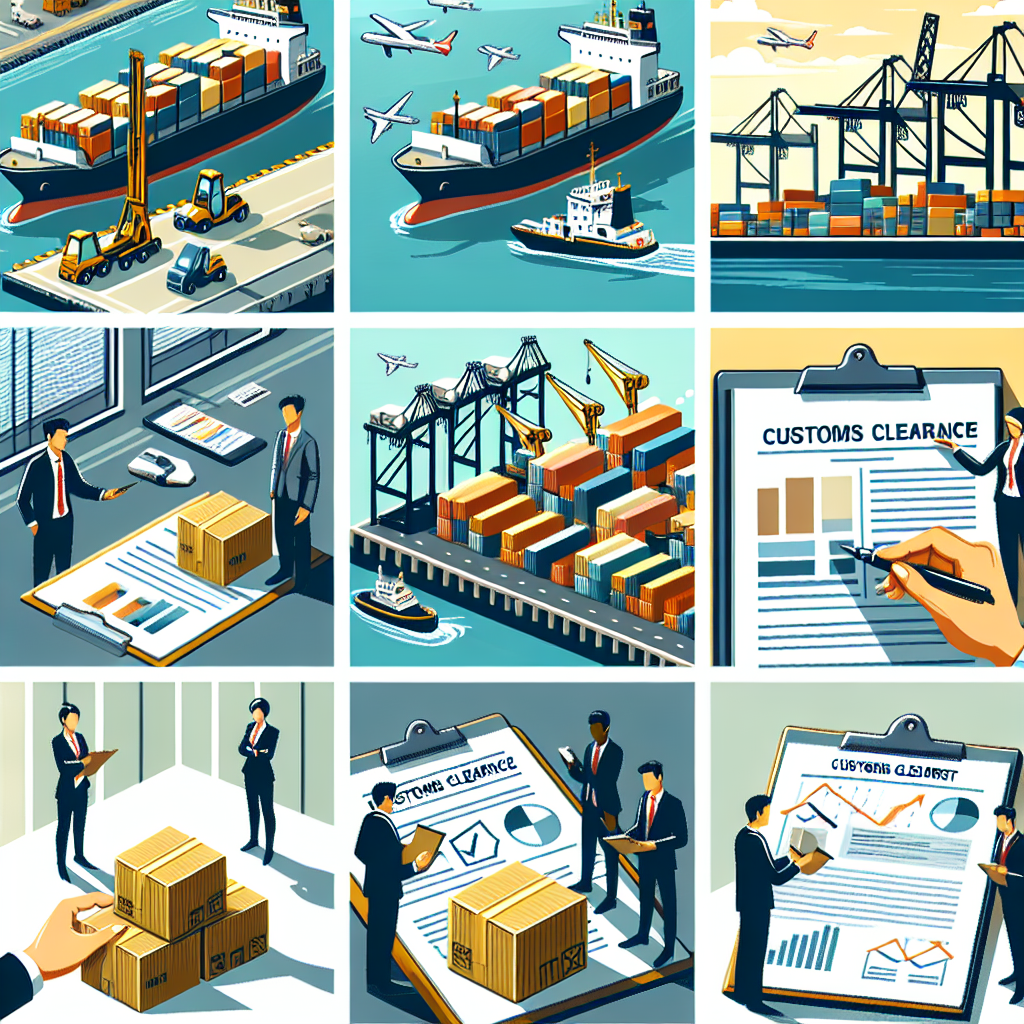
One of the primary objectives of customs clearance is to facilitate the smooth flow of goods across borders. Efforts are made to streamline the customs clearance process, minimize administrative burdens, and reduce the time and cost associated with clearing goods. This facilitates trade by ensuring quicker movement of goods, reducing supply chain disruptions, and enabling businesses to meet tight delivery schedules. Efficient trade flow is essential for maintaining competitiveness, attracting investment, and fostering economic growth.
Reducing Transit Time
Delays in customs clearance can significantly impact the transit time of goods and disrupt supply chains. Efficient customs clearance processes aim to minimize transit time by expediting the examination and release of goods. Modern technologies, such as pre-clearance systems, electronic submission of documents, and risk-based inspections, help reduce the time spent in customs clearance. Timely clearance of goods enhances logistical efficiency, reduces inventory carrying costs, and improves the overall competitiveness of businesses operating in international trade.
Avoiding Delays and Penalties
Compliance with customs clearance requirements is crucial to avoid delays and penalties. Delays can occur if the necessary documents are incomplete or inaccurate, if the goods require additional inspections or sampling, or if there are issues with the payment of duties or taxes. Such delays can result in additional storage costs, missed delivery deadlines, and damaged business relationships. Non-compliance with customs regulations may lead to penalties, fines, or even the seizure or rejection of goods. Adhering to customs requirements and ensuring accurate and complete documentation is essential to avoid these complications.
Risk Mitigation and Security
Goods Inspection
Customs clearance includes inspection processes to ensure the integrity and security of goods entering or leaving a country. Customs officials may conduct physical inspections, x-ray scans, or other screening measures to identify any prohibited or undeclared items, such as drugs, weapons, or counterfeit goods. Inspections help mitigate the risk of illegal activities, protect national security, and ensure compliance with regulatory requirements. Random inspections and risk-based assessment strategies are implemented to strike a balance between facilitating trade and maintaining security.
Illegal Goods Prevention
Customs clearance plays a crucial role in preventing the entry of illegal goods, such as narcotics, counterfeit goods, or endangered species. Importers and exporters bear the responsibility of ensuring that their goods comply with all relevant laws and regulations. Customs authorities work closely with other law enforcement agencies and international organizations to detect and seize illegal goods, protecting public health, safety, and intellectual property rights. The vigilance and diligence of customs officers contribute to maintaining a secure trade environment and upholding the integrity of international supply chains.
Protection of National Interests
Customs clearance processes are designed to protect a country’s national interests, including its economy, health, and security. Customs authorities enforce regulations that safeguard domestic industries, prevent unfair trade practices, and preserve national treasures. Measures such as anti-dumping duties, countervailing duties, and safeguards are implemented to protect domestic industries from unfair competition. Additionally, customs clearance contributes to national security by ensuring that goods entering or leaving a country do not pose a threat to public safety or national security.
Revenue Generation
Customs Duties and Tariffs
Customs duties and tariffs are a significant source of revenue for governments. These charges are imposed on goods entering a country and are generally based on the goods’ value, classification, and country of origin. Customs duties and tariffs vary depending on the type of goods and the trade agreements in place. Revenue generated from customs duties and tariffs is used to fund public services, infrastructure development, and governmental operations. Customs clearance plays a crucial role in ensuring that these charges are accurately assessed and collected.
Import and Export Taxes
In addition to customs duties and tariffs, customs clearance also involves the collection of import and export taxes. Import taxes are imposed on goods being brought into a country, while export taxes are applied to goods leaving the country. These taxes may be based on the value of the goods, their quantity or weight, or other factors defined by the importing or exporting country’s tax laws. Compliance with import and export tax requirements is essential to avoid penalties and maintain a smooth clearance process.
Customs Fines and Penalties
Non-compliance with customs regulations can result in fines and penalties. Customs authorities have the power to impose penalties for various infractions, including incorrect or false declarations, undervaluation of goods, and failure to comply with health or safety standards. Penalties may be financial, such as fines or additional duty assessments, or non-financial, such as seizure or destruction of goods. Customs fines and penalties serve as deterrents to non-compliance and encourage importers and exporters to adhere to customs regulations.

Contributing to National Economy
Promoting Domestic Industries
Customs clearance supports the growth and development of domestic industries by implementing measures that protect their interests. Governments may impose trade barriers, such as tariffs or quotas, to shield domestic industries from unfair competition by imported goods. By ensuring compliance with these measures, customs clearance plays a vital role in supporting local businesses, preserving jobs, and fostering economic growth.
Encouraging International Trade
Customs clearance is instrumental in promoting international trade by creating a predictable and transparent business environment. It facilitates the movement of goods across borders, reduces trade barriers, and ensures compliance with international trade regulations. Transparent and efficient customs clearance processes instill confidence in trading partners, attract foreign investment, and enhance a country’s reputation as a reliable trading partner. By encouraging international trade, customs clearance contributes to economic integration and global prosperity.
Stimulating Economic Growth
The efficient and effective functioning of customs clearance processes has a direct impact on economic growth. Quick and seamless customs clearance reduces transaction costs, allows businesses to access new markets, and encourages the expansion of international trade. By minimizing delays and ensuring compliance with regulations, customs clearance enhances the competitiveness of businesses and stimulates economic growth. A well-functioning customs clearance system attracts investment, promotes entrepreneurship, and creates employment opportunities, ultimately contributing to the overall development of a country’s economy.
Maintaining Public Health and Safety
Controlled Substance Monitoring
Customs clearance plays a critical role in monitoring and controlling the movement of controlled substances. Customs authorities implement measures to prevent the illegal trafficking of drugs, precursor chemicals, and other substances that pose a risk to public health and safety. Through inspections, intelligence sharing, and collaboration with other law enforcement agencies, customs clearance helps identify and intercept illegal shipments, disrupt drug supply chains, and protect communities from the harmful effects of illicit substances.
Food and Product Safety
Ensuring the safety and quality of imported or exported food and products is a key responsibility of customs clearance. Customs authorities enforce standards and regulations related to food safety, labeling requirements, quality control, and other product-specific criteria. Through inspections and document verification, customs clearance helps prevent the entry of contaminated, expired, or substandard products. By safeguarding public health, customs clearance contributes to consumer confidence in imported goods and strengthens international trade relationships.
Identification of Hazardous Materials
Customs clearance processes also focus on identifying and controlling the movement of hazardous materials. Customs authorities enforce regulations related to the transportation, storage, and handling of dangerous or environmentally harmful substances. By inspecting shipments and verifying compliance with hazardous materials regulations, customs clearance helps prevent accidents, pollution, and other adverse environmental impacts. This ensures the safety of workers, communities, and the environment, further emphasizing the role of customs clearance in maintaining public health and safety.
Ensuring Intellectual Property Rights
Trademark and Copyright Protection
Customs clearance plays a crucial role in protecting intellectual property rights, including trademarks and copyrights. Customs authorities collaborate with rights holders to identify and seize counterfeit or pirated goods at the borders. By verifying the authenticity of goods, inspecting shipments, and sharing information with rights holders, customs clearance helps prevent the entry of fake or infringing products into the market. This not only protects the interests of rights holders but also promotes fair competition and preserves consumer trust.
Preventing Counterfeit Goods
The role of customs clearance extends to preventing the entry of counterfeit goods, which pose significant risks to consumer health and safety, economic interests, and brand reputation. Customs authorities coordinate with rights holders and utilize various techniques, such as physical inspections, documentation checks, and intelligence sharing, to identify and seize counterfeit goods. By deterring the trade in counterfeit products, customs clearance contributes to maintaining a fair and secure business environment and upholds the integrity of international supply chains.
Preserving Innovation and Creativity
Customs clearance serves as a guardian of innovation and creativity by protecting the rights of inventors, designers, and creators. Intellectual property rights holders rely on customs authorities to prevent the entry of infringing goods that may violate patents, industrial designs, or copyrights. By enforcing intellectual property rights at the border, customs clearance promotes an environment that encourages innovation, rewards creativity, and fosters continued investment in research and development. This, in turn, fuels economic growth and supports industries that rely on the protection of intellectual property.
Conclusion
Customs clearance is a critical component of international trade, serving various purposes that are vital for the global economy. From regulatory compliance and revenue generation to risk mitigation and the protection of public health, customs clearance plays a multifaceted role in facilitating the movement of goods across borders. It contributes to economic growth, promotes fair trade, and ensures the security and safety of nations. As global trade continues to evolve, customs clearance processes will adapt to emerging trends, such as increased automation, digitalization, and harmonization of regulations. The future of customs clearance holds the promise of even more efficient, secure, and seamless trade flows, strengthening global connectivity and prosperity.
